If you wear dentures, you may wonder whether you can leave them in overnight. Perhaps you feel more comfortable sleeping with your teeth in place, or you are still getting used to a new set. Whatever your reason, knowing when to remove your dentures is an important part of maintaining a healthy mouth.
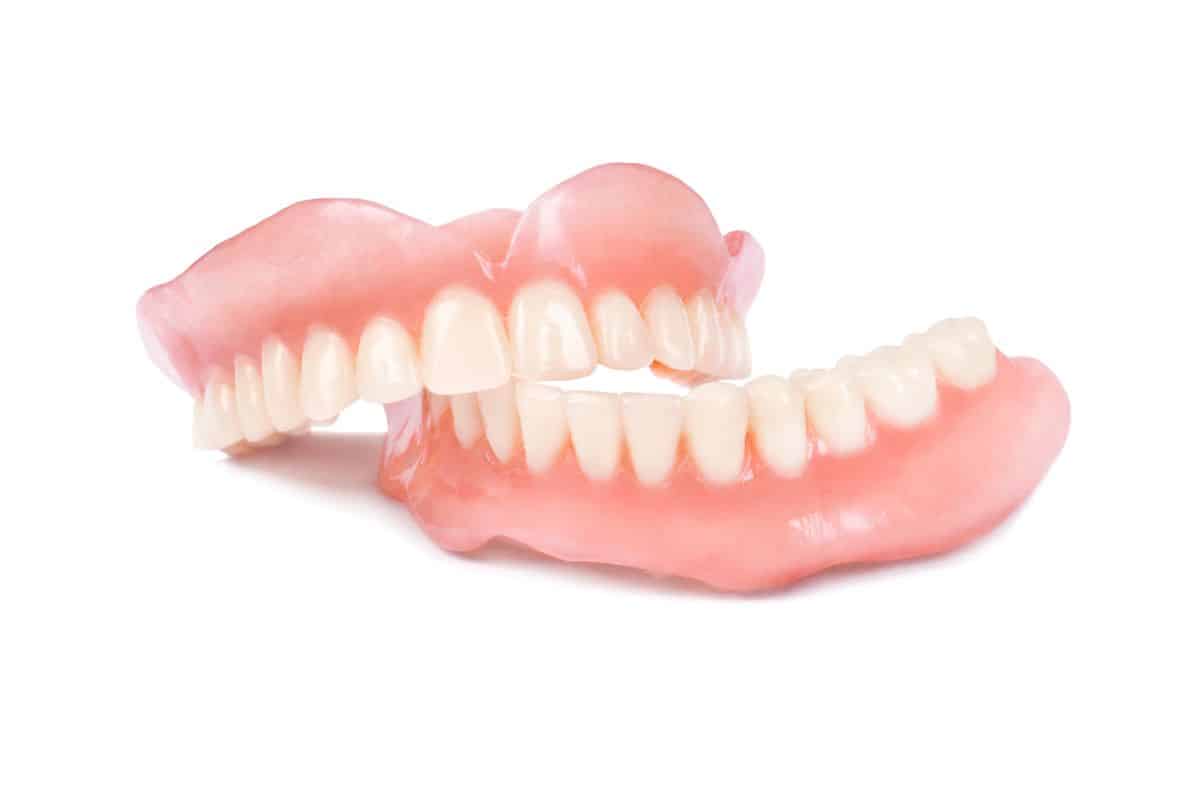
For most denture wearers, removing dentures before bed is the recommended routine. It gives your gums time to rest and allows you to clean your dentures and mouth thoroughly. If you are exploring replacement options or need help with your current fit, Melissa Dental & Orthodontics offers information about dentures in Melissa to help you take the next step toward a comfortable smile.
Quick Answer: Can You Sleep With Dentures In?
It is generally best to remove your dentures before sleeping. Wearing them overnight can increase the risk of gum irritation, inflammation, and oral infections. Taking them out also allows you to clean the dentures and your mouth properly. However, your dentist may recommend temporary overnight wear in certain circumstances, such as immediately after tooth extractions. Always follow your dentist’s specific instructions.
Why Is Sleeping With Dentures Usually Not Recommended?
Dentures rest against the gums and other tissues inside your mouth. Wearing them throughout the day and night leaves less time for those tissues to recover from constant contact and pressure.
Here are some reasons to make nighttime denture removal part of your routine.
1. Your Gums Need Time to Rest
Even well-fitting dentures put pressure on the tissues that support them. Removing them overnight gives your gums a break and may help reduce soreness and irritation.
If your dentures leave persistent red marks, cause pain, or feel increasingly uncomfortable, do not assume you simply need more time to adjust. Your dentist can check the fit and determine whether an adjustment is needed.
2. Dentures Can Harbor Bacteria and Fungi
Food particles, plaque, and microorganisms can collect on dentures throughout the day. If dentures are not cleaned regularly, this buildup may contribute to inflammation and infections, including denture-related stomatitis, which is inflammation of the tissue beneath a denture.
Cleaning your dentures every day and removing them at night helps support better oral hygiene. It is particularly important to clean partial dentures carefully because plaque can also affect any natural teeth that remain.
3. Overnight Wear May Increase the Risk of Complications
Keeping dentures in continuously can contribute to sore spots and inflamed gum tissue. Overnight wear has also been associated with oral infections and other health concerns, particularly among older adults and people with certain medical vulnerabilities.
That does not mean a single night with your dentures in will necessarily cause a problem. The concern is making overnight wear a regular habit without appropriate professional guidance.
How to Care for Your Dentures Before Bed
A simple evening routine can help keep your dentures clean, protect your mouth, and make the next morning more comfortable.
Step 1: Remove Your Dentures Carefully
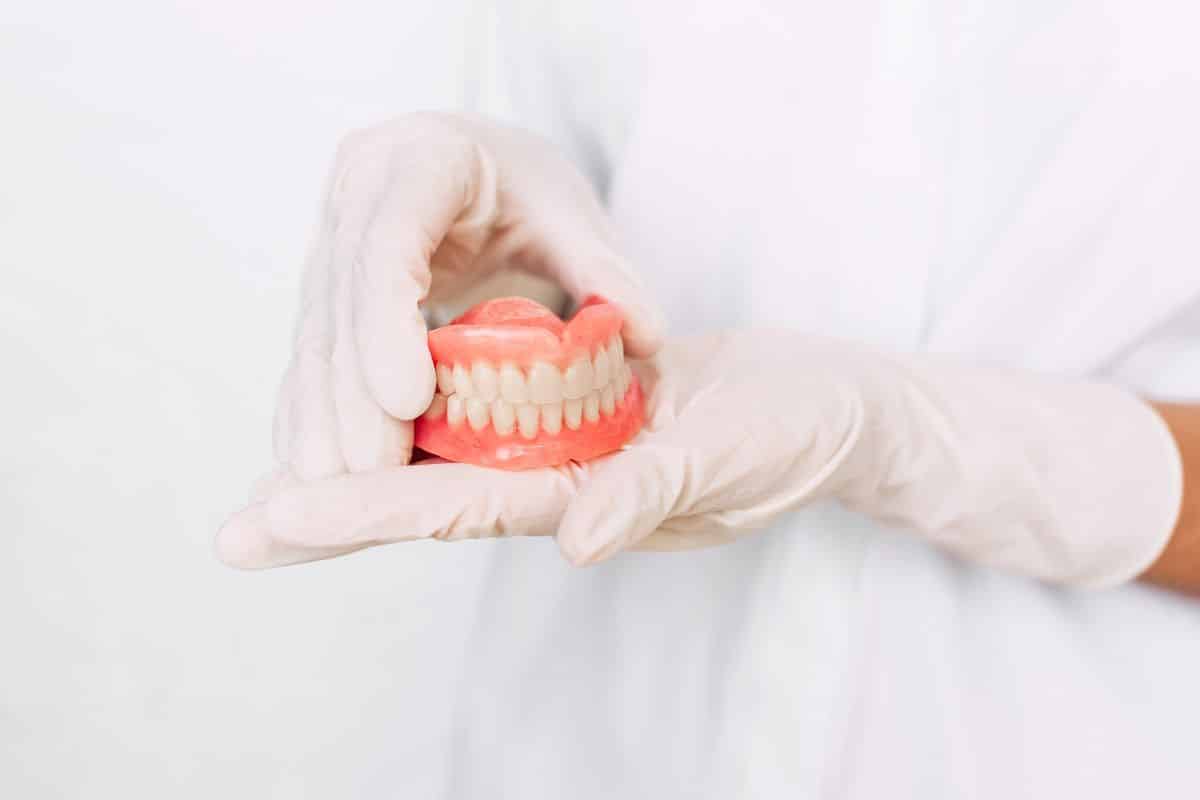
Wash your hands before handling your dentures. Remove them gently, following the technique your dental team has shown you. Avoid forcing them out if they feel stuck.
Step 2: Clean the Dentures Thoroughly
Use a soft denture brush and a cleaner designed for dentures. Clean all surfaces, including areas that sit against your gums and any spaces around clasps on partial dentures.
Avoid ordinary abrasive toothpaste, household cleaners, and hot water, which can damage or distort some denture materials. Follow the cleaning product’s instructions, especially if your dentures contain metal components.
For additional guidance, see our how to clean dentures resource.
Step 3: Clean Your Mouth, Too
Removing your dentures is only part of the process. Gently brush your gums, tongue, and the roof of your mouth with a soft toothbrush. If you wear partial dentures, brush your remaining natural teeth with fluoride toothpaste and clean between them as recommended by your dentist.
This step helps remove plaque and food debris that may otherwise remain in your mouth overnight.
Step 4: Store Your Dentures Safely
After cleaning, place your dentures in a clean denture container. Depending on their material and your dentist’s instructions, they may need to be kept in water or a suitable denture-soaking solution to prevent drying or distortion.
Never use hot water, and make sure any soaking product is appropriate for your particular dentures.
Are There Exceptions to Removing Dentures at Night?
Yes. Although nighttime removal is generally recommended, some situations require different instructions.
Immediately after tooth extractions: If you have received immediate dentures following tooth removal, your dentist may instruct you to keep them in place for the first night or another specified period. This can help protect the extraction sites and manage early healing. Follow the instructions provided by your treating dentist rather than removing them on your own.
During the adjustment period: New dentures can feel unfamiliar at first. Your dentist may give you a temporary wearing schedule to help assess the fit or identify pressure points. Ask when you should begin removing them overnight.
For specific functional or medical needs: Some patients have individual circumstances that affect their wearing schedule. If you believe you need to sleep with dentures in, discuss the reasons with your dentist and establish a safe cleaning routine.
Unless your dentist tells you otherwise, do not make overnight denture wear your everyday habit.
What If Your Dentures Feel Uncomfortable Without Them?
Some people feel self-conscious about removing their dentures at bedtime, especially when sharing a room with a partner. Others worry about looking different first thing in the morning or having trouble putting their dentures back in.
These concerns are understandable. Still, leaving dentures in all night is not usually the best long-term solution.
Consider keeping a covered denture container near your bedside, establishing a consistent cleaning routine, and talking openly with your dentist about discomfort or concerns about appearance.
If your dentures feel loose, rub against your gums, or are difficult to remove, schedule an evaluation. Dentures can require adjustments over time as the shape of your gums and supporting jawbone changes. Do not attempt to reshape them yourself or rely on extra adhesive to compensate for a poor fit.
Seek professional advice promptly if you develop persistent sores, bleeding, swelling, white patches, or pain. A dental professional can evaluate the cause and recommend appropriate care.
Frequently Asked Questions
Can I sleep with my dentures in for one night?
One night of sleeping with dentures in does not automatically mean you will develop a problem. However, removing and cleaning them before bed is generally the healthier routine. If you have recently had extractions or received specific instructions from your dentist, follow that guidance.
Should I put my dentures in water overnight?
Many conventional dentures should be kept moist when they are out of your mouth, but the correct storage method depends on their material. Use water or an approved soaking solution as directed by your dentist and the manufacturer. Avoid hot water.
Do partial dentures also need to be removed at night?
Generally, yes. Partial dentures should usually be removed overnight so you can clean the appliance and your natural teeth thoroughly. This is important because plaque around remaining teeth can contribute to tooth decay and gum problems.
What happens if I never take my dentures out?
Continuous wear can make it harder to clean the appliance and the tissues underneath it. Over time, this may increase the risk of irritation, inflammation, and oral infections. Your dentist can help you establish an appropriate wearing schedule and identify any fit problems.
How often should I have my dentures checked?
Arrange regular dental checkups even if you no longer have natural teeth. Your dentist can assess the condition of your mouth, look for irritation, and check whether your dentures still fit properly. Seek an earlier appointment if they become loose, damaged, or painful.
Protect Your Smile With the Right Denture Care
Sleeping with dentures may seem convenient, but removing them at night is generally a simple and worthwhile habit. Clean your dentures daily, care for your gums and any remaining teeth, and follow your dentist’s recommendations for storage and wear.
If you live in Meliss, and have questions about denture comfort, fit, or replacement options, Melissa Dental & Orthodontics can help you understand your options and determine the next steps for your oral health.
If you live in Melissa, TX, and have questions about denture comfort or care, contact Melissa Dental & Orthodontics for guidance. You can also find our office on Google and get directions before your visit.