If the thought of a dental appointment makes you nervous, you may wonder whether sedation dentistry is an option for you. Perhaps you have avoided treatment because of dental anxiety, have a sensitive gag reflex, or need a longer procedure and want help staying comfortable.
The answer to who is a candidate for sedation dentistry depends on more than how anxious you feel. Your dentist will consider your health, medications, treatment needs, and the type of sedation being discussed. If you are exploring your options, learning about a sedation dentist in Melissa can help you prepare for a conversation about comfort and safety.
Quick Answer:
A candidate for sedation dentistry may be someone with dental anxiety, a strong gag reflex, difficulty tolerating dental treatment, or a procedure that requires extended time in the dental chair. Candidacy also depends on overall health, medications, allergies, and the planned sedation method. A dentist must evaluate each patient individually before recommending sedation.
7 Factors Your Dentist Will Consider
1. Your Level of Dental Anxiety
Dental anxiety is one of the most common reasons patients ask about sedation. You may feel uneasy about needles, dental sounds, the sensation of treatment, or simply not knowing what to expect.
Sedation may be worth discussing if anxiety makes it difficult to sit through an appointment or has caused you to postpone needed care. However, feeling mildly nervous does not automatically mean you need medication. Your dentist may first recommend communication strategies, breaks, topical numbing, or other comfort measures.
The goal is to find an approach that helps you receive care while respecting your concerns.
2. The Type and Length of Dental Treatment
The procedure itself can influence whether sedation is appropriate. A routine filling, a longer restorative appointment, and a more complex treatment may call for different comfort plans.
Melissa Dental & Orthodontics explains that sedation options may be considered alongside local anesthesia, which numbs a specific area to help prevent pain. Sedation and local anesthesia serve different purposes, and your dentist may recommend one or both depending on your treatment.
A longer appointment may also make relaxation more important, but the decision should be based on the complete treatment plan not simply the number of minutes in the chair.
3. Your Overall Health
Before recommending sedation, your dentist needs to understand your general health. This may include conditions affecting your heart, lungs, breathing, or other body systems, as well as any previous difficulties with anesthesia or sedation.
Certain health conditions may require additional precautions, medical consultation, or a different treatment approach. Having a medical condition does not automatically rule out sedation, but it makes an individualized evaluation especially important.
Be prepared to discuss your health history honestly. This information helps your dental team plan appropriately rather than make assumptions.
4. Your Current Medications and Supplements
Prescription medications, over-the-counter drugs, and supplements can affect how sedatives work. Some may increase drowsiness or interact with medications used during treatment.
Your dentist may ask what you take, how often you take it, and whether you have recently started or stopped anything. Bring an up-to-date medication list to your appointment, including supplements and medications you take only occasionally.
Do not stop or change a prescribed medication on your own to prepare for dental sedation. Ask your dentist and prescribing clinician if any adjustments are needed.
5. Your Allergy History and Previous Reactions
Your dentist will want to know about allergies to medications, latex, or other materials, as well as any previous reaction to anesthesia or sedation.
This is especially important if you have experienced unusual symptoms during a prior medical or dental procedure. Tell your dental team what happened, when it happened, and whether you required treatment.
A history of an allergy or reaction does not necessarily mean sedation is impossible. It may mean that the team needs to avoid a particular medication or consider another option.
6. The Sedation Method Being Considered
“Sedation dentistry” is not one single treatment. Different methods produce different levels of relaxation and awareness.
Common options may include:
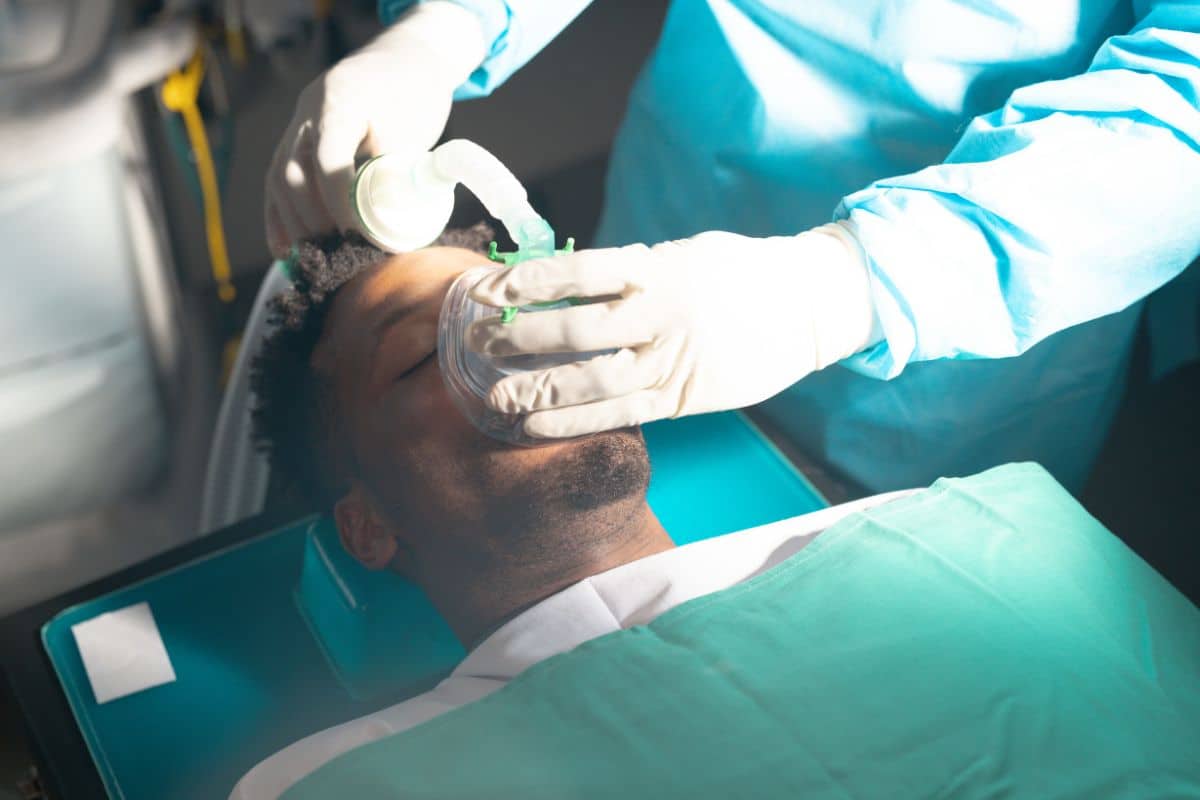
- Nitrous oxide: Inhaled through a mask and often used to help patients feel more relaxed.
- Oral sedation: Medication taken by mouth before or during treatment, depending on the prescribed plan.
- Intravenous (IV) sedation: Medication administered through a vein, allowing the dental team to adjust sedation as appropriate.
- Deeper levels of sedation: Used in selected circumstances and requiring specific clinical assessment, monitoring, and preparation.
Melissa Dental & Orthodontics describes inhalation, oral, and intravenous methods on its sedation dentistry page. The appropriate option depends on the procedure, health history, allergies, and anxiety level.
Your dentist will explain what level of awareness to expect, how you will be monitored, and what preparation or recovery instructions apply.
7. Your Ability to Follow Safety Instructions
Sedation is safest when patients can follow the instructions given before and after treatment. Depending on the medication and level of sedation, you may need to avoid eating or drinking for a specified period, arrange transportation, or plan to rest afterward.
If you are unable to follow the instructions, the dentist may need to postpone treatment or choose another approach. You should also tell the office if you are feeling unwell before your appointment.
Never assume you can drive yourself home after sedation. Ask your dental team what transportation and supervision arrangements are required for your specific plan.
Is Sedation Dentistry Safe for Everyone?
No dental treatment is completely risk-free, and sedation is not appropriate for every patient or every procedure. The level of risk depends on the medication, the depth of sedation, the patient’s health, and the monitoring and emergency protocols in place.
The American Dental Association’s sedation guidelines emphasize patient evaluation, appropriate monitoring, and training for the sedation technique being used. Your dentist should explain the expected benefits, possible risks, and alternatives before treatment.
At Melissa Dental & Orthodontics, the sedation dentistry service page emphasizes discussing the risks and benefits of medication and working with the dentist to choose an approach that is safe and comfortable for the individual patient.
What Should You Ask Before Choosing Sedation?
If you are considering sedation dentistry in Melissa, bring these questions to your consultation. You can also review what to expect from sedation dentistry to become more familiar with the treatment process and prepare questions for your dentist.
- What type of sedation do you recommend for my treatment?
- Will I be awake and able to respond?
- Will I still receive local anesthesia to numb the treatment area?
- What medical conditions or medications should I tell you about?
- Do I need to fast before the appointment?
- Will I need someone to drive me home?
- What should I expect after treatment?
- What alternatives are available if sedation is not appropriate?
A clear discussion can help you understand the plan and feel more prepared.
FAQs
Can I request sedation if I am afraid of the dentist?
Yes, you can ask about sedation if dental fear is affecting your ability to receive care. Your dentist will determine whether sedation is appropriate and which option, if any, fits your health and treatment needs.
Does sedation dentistry mean I will be completely asleep?
Not necessarily. Some methods help you relax while you remain awake and responsive. Deeper sedation can reduce consciousness. Ask your dentist to explain the level planned for your appointment.
Can I receive sedation if I take prescription medication?
Possibly, but your dentist needs to review your medications and health history first. Some medications can interact with sedatives, so provide a complete and accurate list.
Will sedation replace local anesthesia?
Usually, sedation and local anesthesia have different roles. Local anesthesia numbs the treatment area, while sedation helps with relaxation and awareness. Your dentist will explain whether both are recommended for your procedure.
How do I know if sedation is right for me?
The best way to find out is through a dental consultation. Your dentist can review your anxiety, medical history, medications, allergies, and treatment plan before recommending an approach.
A More Comfortable Dental Visit Starts With a Conversation
If dental anxiety or the thought of a lengthy procedure has kept you from scheduling care, you do not have to guess whether sedation is appropriate. A consultation gives you an opportunity to explain your concerns, ask questions, and understand your options.
Melissa Dental & Orthodontics serves patients in Melissa, TX, and offers sedation dentistry as part of its restorative care services. To explore your options, schedule a visit with the dental team or call +1 4699074840. You can also see patient reviews on Google when researching a dental office.