Have you noticed a sharp twinge when drinking something cold, discomfort while chewing, or an unusual dark spot on one of your teeth? These changes may seem minor, but they can sometimes indicate tooth decay or damage that needs attention. Recognizing the signs you need a filling can help you seek dental care before a small problem becomes more complicated.
At Melissa Dental & Orthodontics, patients can explore treatment options such as tooth colored fillings in Melissa to repair cavities and restore damaged teeth. Understanding what to look for is a good first step toward protecting your natural smile.
Quick Answer: How Do You Know If You Need a Filling?
Tooth sensitivity, recurring toothaches, pain when biting, visible holes, and unusual spots or discoloration may indicate that you need a dental filling. These symptoms can also have other causes, and some cavities develop without noticeable discomfort. A dental examination is the best way to determine whether treatment is necessary.
5 Signs You May Need a Dental Filling
1. Sensitivity to Hot, Cold, or Sweet Foods
Does your tooth hurt when you enjoy ice cream, sip hot coffee, or eat something sweet? Occasional sensitivity can have several causes, but recurring discomfort in a particular tooth may be a sign of developing tooth decay.
When bacteria damage the protective enamel, the more sensitive layers underneath may become exposed. This can make temperature changes and sugary foods or drinks uncomfortable.
Pay attention if:
- One specific tooth feels sensitive repeatedly.
- Discomfort occurs when eating sweets.
- Cold drinks cause a sudden, sharp sensation.
- Sensitivity continues or becomes more noticeable over time.
Sensitivity does not automatically mean you need a filling. Gum recession, enamel wear, and other dental conditions can cause similar symptoms. A dentist can help identify the underlying problem.
2. A Persistent Toothache
A toothache that keeps returning deserves attention, even if the pain is manageable.
As tooth decay progresses, it can move deeper into the tooth and irritate the sensitive inner tissues. You might notice a dull ache, occasional throbbing, or discomfort that seems to appear without an obvious reason.
Some people experience pain that interrupts sleep or makes it difficult to concentrate during the day.
If you have an ongoing toothache, schedule a dental evaluation rather than relying on pain relief alone. Depending on how much damage has occurred, treatment may involve a filling or a more involved procedure.
3. Visible Holes, Pits, or Dark Spots
Have you noticed a small hole or unusual mark on a tooth while brushing? Visible changes are another possible indication of tooth decay.
Cavities can appear as small pits or openings, while areas of discoloration may look white, brown, or black. These changes are not always easy to identify, particularly on the back teeth.
It is worth remembering that not every dark spot is a cavity. Some stains are harmless, while certain areas of early decay may be difficult to see without a professional examination.
Avoid trying to scrape or remove a suspicious spot yourself. Let your dentist examine it and determine whether treatment is needed.
4. Pain or Discomfort When Biting Down
If chewing suddenly becomes uncomfortable, pay attention to which tooth seems to be causing the problem.
Pain when biting down may occur when decay weakens a tooth or affects its structure. However, a cracked tooth, damaged filling, or other dental issue can produce similar discomfort.
You might notice:
- Discomfort when chewing harder foods.
- A sharp sensation when biting in a particular area.
- Pain that appears and disappears during meals.
- Tenderness around one tooth.
Because several conditions can cause biting pain, a dental examination is important. Early evaluation can help identify the problem before additional damage occurs.
5. Food Frequently Gets Stuck Between Your Teeth
Do you repeatedly find food collecting in the same area, even after brushing and flossing?
A cavity, damaged tooth surface, or an existing filling that no longer fits properly may create an area where food becomes trapped. This can make cleaning uncomfortable and may contribute to plaque buildup.
You may also notice an unpleasant taste or difficulty keeping the area clean.
Food getting stuck does not necessarily mean you have a cavity. Changes in tooth spacing, gum health, and dental restorations can also contribute. If the problem keeps happening in the same location, ask your dentist to examine it.
Can You Have a Cavity Without Knowing It?
Yes. One important thing to understand about tooth decay is that it does not always cause immediate symptoms.
Early cavities may develop without pain or noticeable sensitivity. In some cases, a dentist discovers decay during a routine examination or on dental X-rays.
That is why waiting until a tooth hurts is not a reliable way to determine whether your teeth are healthy. Regular dental visits can help identify potential problems before they become more extensive.
What Happens If You Need a Dental Filling?
If your dentist identifies a cavity, the recommended treatment will depend on its size, location, and severity.
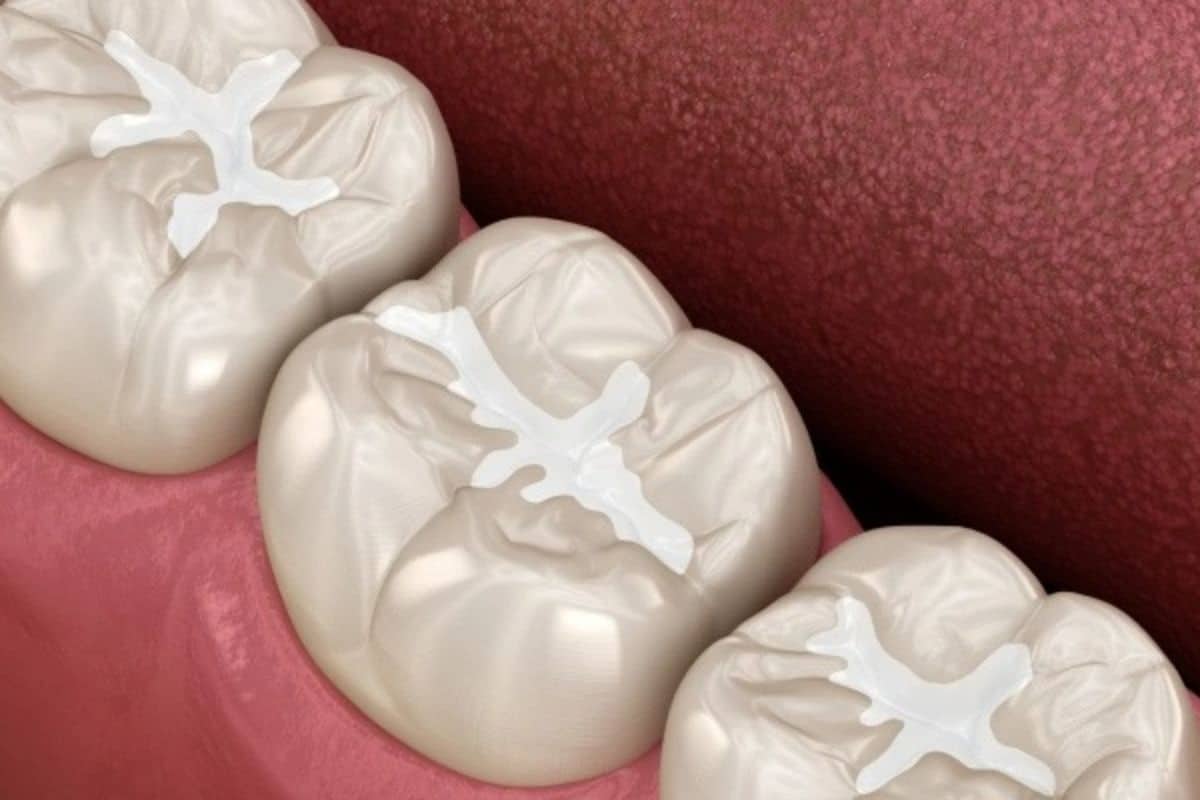
For a typical cavity, the dentist removes the decayed portion of the tooth and restores the area with filling material. Tooth-colored composite fillings are designed to blend with the surrounding tooth, making them a natural-looking option for many patients.
The process generally involves:
- Examining the affected tooth and determining the extent of decay.
- Numbing the area when appropriate.
- Removing the decayed tooth structure.
- Placing and shaping the filling material.
- Checking the bite and making necessary adjustments.
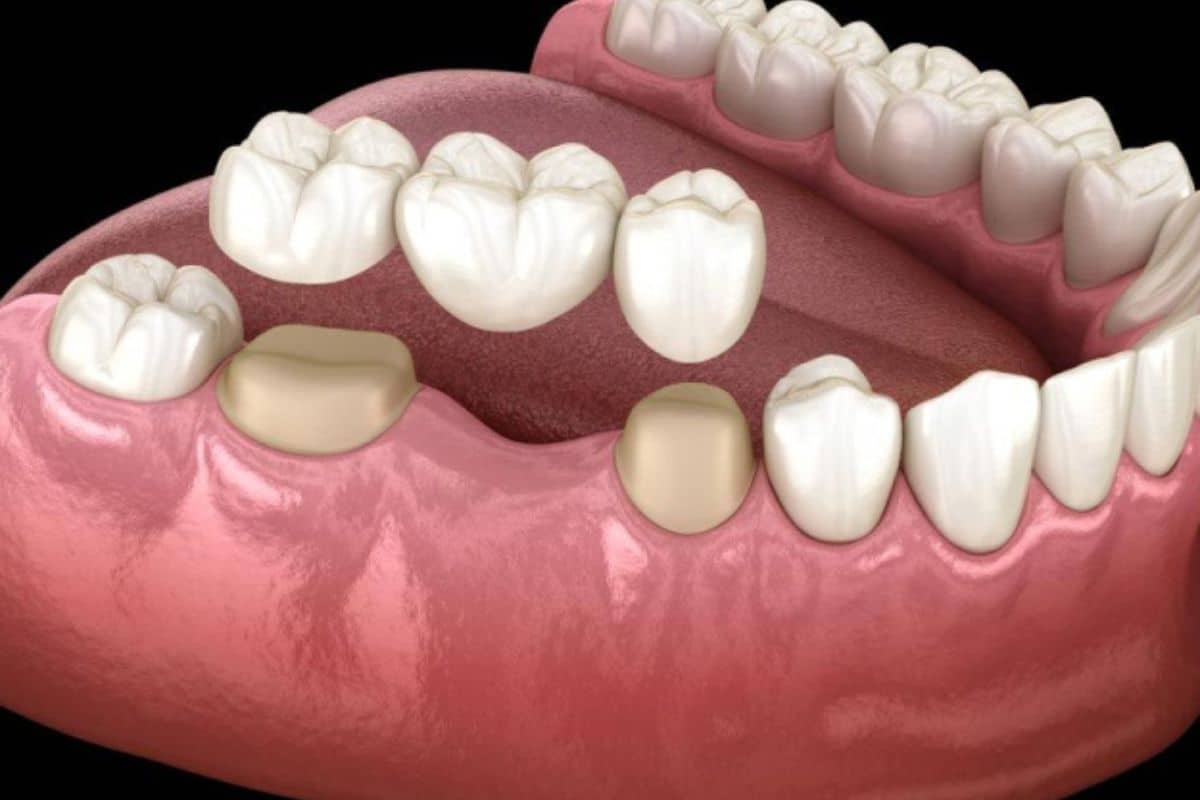
Not every area of early tooth decay requires a filling. Depending on the stage of decay, preventive care or fluoride treatment may be appropriate. More extensive damage may require a different restorative treatment.
If you are considering treatment, Melissa Dental & Orthodontics provides dental filling services in Melissa, including tooth-colored options.
After getting a dental filling, you may wonder how long it will last. Read our guide on how long do dental fillings last to understand what affects their lifespan and how to care for your restored tooth.
How Can You Reduce Your Risk of Needing Fillings?
Although cavities cannot always be prevented, consistent oral hygiene habits can reduce your risk of developing tooth decay.
A few practical steps include:
- Brush twice daily with fluoride toothpaste.
- Clean between your teeth every day using floss or another appropriate interdental cleaner.
- Limit frequent sugary snacks and drinks.
- Drink water throughout the day.
- Attend regular dental examinations and professional cleanings.
- Ask your dentist whether fluoride treatments or dental sealants are appropriate for you.
Small daily habits can make a meaningful difference in maintaining healthy teeth.
Frequently Asked Questions
1. Does a tooth always hurt when it needs a filling?
No. Some cavities develop without noticeable pain or sensitivity. Regular dental examinations help identify decay that may not yet produce symptoms.
2. Can a small cavity heal on its own?
Early enamel demineralization may sometimes be reversed with appropriate fluoride exposure and preventive care. However, once a cavity has formed an actual hole in the tooth, it generally requires professional treatment.
3. How long can you wait to get a cavity filled?
It is best to have a suspected cavity evaluated promptly. Tooth decay can progress, and delaying treatment may lead to more extensive dental work. Your dentist can recommend an appropriate treatment timeline.
4. Are tooth-colored fillings noticeable?
Tooth-colored composite fillings are designed to blend with the natural shade of your teeth. Your dentist can help determine whether this material is appropriate based on the location and condition of the affected tooth.
Protect Your Smile With Timely Dental Care in Melissa
Recognizing the signs you need a filling can help you take action before tooth decay causes more extensive damage. Whether you are experiencing sensitivity, recurring toothaches, or an unusual spot on a tooth, getting it checked is a sensible next step.
At Melissa Dental & Orthodontics, patients can receive dental evaluations and discuss restorative options suited to their needs. If you have noticed any of these warning signs, contact the office at (469) 919-5605 or schedule a dental appointment.
Conveniently located at 2302 Sam Rayburn Hwy, Suite 100, Melissa, TX 75454, the practice welcomes patients looking for dental care close to home.
Your smile deserves attention before a small concern becomes a bigger problem.