Dental implants are designed to replace missing teeth, but keeping them healthy takes more than daily brushing. Regular dental visits help your dentist monitor the implant, the surrounding gums, and the replacement tooth so potential problems can be addressed before they become more complicated.
So, what is the right dental implant checkup frequency? For many patients, a visit every six months is a reasonable starting point. However, your ideal schedule depends on your oral health, implant restoration, and individual risk factors.
At Melissa Dental & Orthodontics, patients in Melissa, can discuss their implant maintenance needs with a dental professional. If you’re considering treatment for missing teeth, exploring options for tooth implants in Melissa is a helpful first step toward understanding the treatment and long-term care involved.
If you’re wondering whether dental implants may be right for you, understanding the signs you need dental implants can help you recognize when it’s time to schedule a dental evaluation with a professional.
How Often Should You Get Dental Implant Checkups?
Most patients should plan on professional dental checkups approximately every six months, unless their dentist recommends a different interval. Some patients benefit from visits every three to four months, particularly when they have a history of gum disease or need closer monitoring.
Your schedule may also change during the healing period after implant surgery or once your permanent crown, bridge, or implant-supported denture is in place.
The important thing to remember is that dental implants need ongoing professional care, even when they feel comfortable and look perfectly normal.
Why Are Regular Dental Implant Checkups Important?
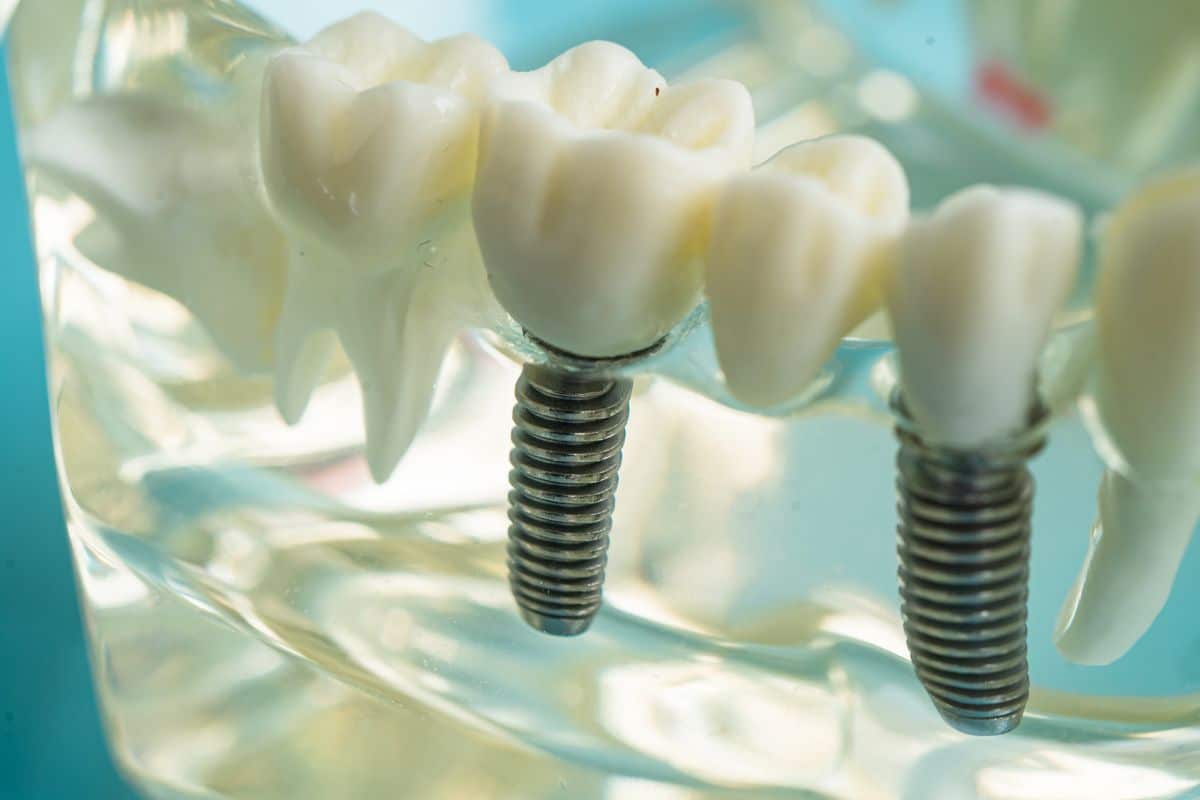
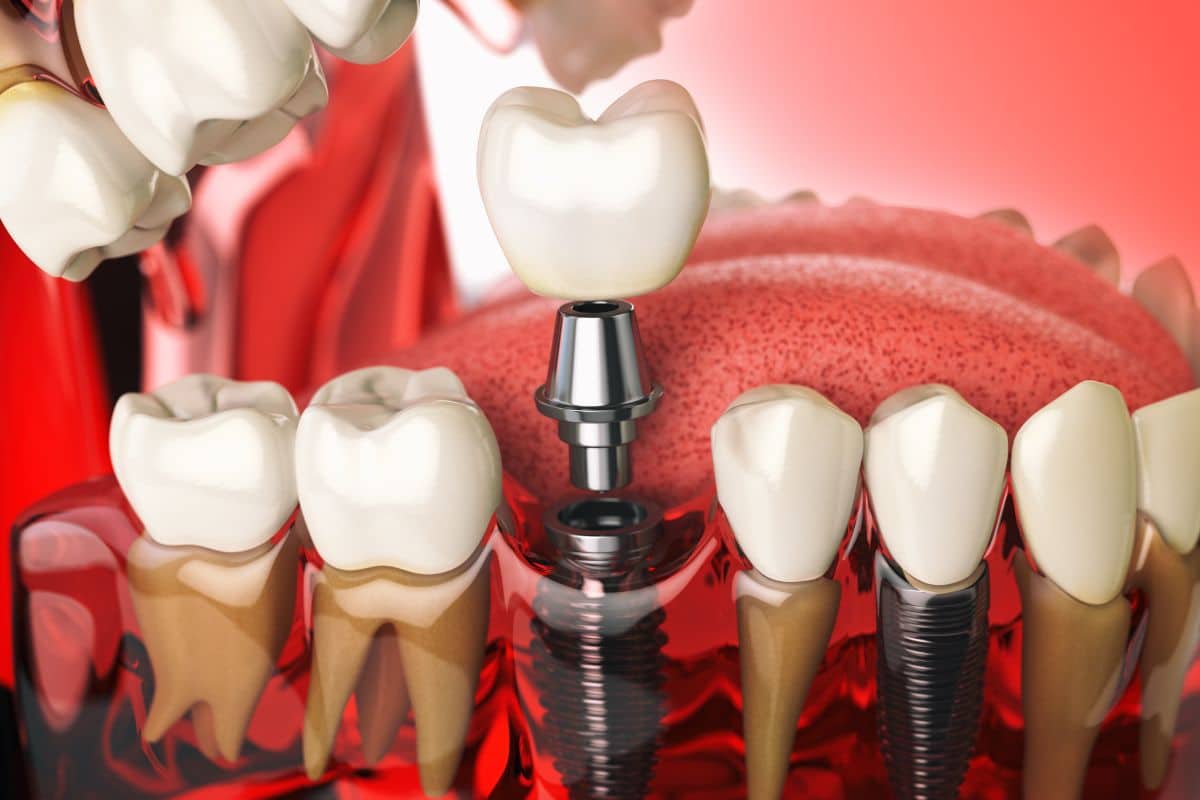
A dental implant has a post placed in the jawbone and a restoration, such as a crown, attached to it. Although the implant itself cannot develop a cavity, the gums and bone around it can develop problems.
Regular checkups help your dentist evaluate several important areas.
1. Checking gum health around the implant
Plaque and bacteria can collect around an implant just as they collect around natural teeth. This buildup can irritate the surrounding gum tissue, causing redness, tenderness, or bleeding.
An early form of inflammation is called peri-implant mucositis. If inflammation persists and progresses, it may develop into peri-implantitis, a condition involving inflammation and loss of supporting bone.
Your dentist can look for warning signs and recommend appropriate care.
2. Monitoring the supporting bone
The jawbone helps hold the implant securely in place. During an examination, your dentist may assess the tissues around the implant and compare current findings with previous records.
Dental X-rays may be recommended when clinically appropriate to evaluate bone levels or investigate a suspected problem. They are not necessarily required at every appointment.
3. Inspecting the crown or other restoration
Your replacement tooth needs attention, too. Your dentist can check for wear, damage, changes in the bite, or a loose screw or other component.
Addressing these concerns early may help prevent further damage and keep your restoration functioning comfortably.
What Happens During a Dental Implant Checkup?
A professional implant maintenance appointment is more than a quick look at your replacement tooth. Depending on your needs, the visit may include:
- Gum and tissue examination: Checking for swelling, redness, bleeding, or other signs of inflammation.
- Implant assessment: Evaluating the stability and condition of the implant and its surrounding tissues.
- Restoration inspection: Looking for cracks, wear, looseness, or bite-related concerns.
- Professional cleaning: Removing plaque and buildup using instruments and techniques appropriate for your implant and restoration.
- Oral hygiene guidance: Reviewing brushing, flossing, and any additional cleaning tools that may help you reach difficult areas.
- Imaging when needed: Taking dental X-rays if the examination or your dental history indicates that they would be useful.
Your dentist may also review changes in your medical history, medications, tobacco use, or other factors that could affect oral health.
What Can Affect Your Dental Implant Checkup Frequency?
Not everyone needs the same maintenance schedule. Your dentist may recommend more frequent visits based on several factors.
A history of gum disease
Previous or current periodontal disease can increase concern about the tissues supporting your implant. Closer monitoring may be appropriate to identify inflammation or changes in bone support.
Smoking or tobacco use
Smoking can affect gum health and healing. If you smoke or use tobacco, discuss it with your dentist so your maintenance plan can account for your individual risks.
Difficulty cleaning around the implant
Some implant-supported bridges and dentures have areas that are harder to reach with a toothbrush or floss. Your dentist can recommend suitable cleaning aids and adjust your professional maintenance schedule if necessary.
Medical history and healing progress
Certain medical conditions, medications, and healing concerns can influence oral health and treatment planning. Your dentist will consider these details when determining how often you should return.
Recent implant surgery or restoration
Patients who have recently received an implant may need additional follow-up appointments to monitor healing and check the restoration. Follow the specific instructions provided by your treating dental team rather than waiting for a routine six-month visit.
Warning Signs You Shouldn’t Ignore Between Checkups
Don’t wait for your next scheduled appointment if something around your implant feels different.
Contact your dentist if you notice:
- Red, swollen, or tender gums around the implant.
- Bleeding or discharge near the implant.
- Persistent bad breath or an unpleasant taste.
- Pain or discomfort when chewing.
- A crown, bridge, or denture that feels loose.
- Changes in your bite or the way your teeth fit together.
An implant that feels loose also deserves prompt professional evaluation. The issue could involve the restoration or the implant itself, and an examination is needed to determine the cause.
Severe swelling, fever, rapidly worsening pain, or difficulty swallowing or breathing warrants urgent medical or dental attention. Seek emergency care for difficulty breathing or swallowing.
How Can You Care for Dental Implants Between Visits?
Professional maintenance works best alongside consistent home care. These practical habits can help you keep the implant area clean.
Brush twice daily. Use a soft-bristled toothbrush and fluoride toothpaste to clean your natural teeth, the implant restoration, and the gumline.
Clean between your teeth every day. Floss, interdental brushes, or other recommended aids can help remove plaque from spaces your toothbrush cannot reach. Ask your dentist which tools are appropriate for your particular restoration.
Avoid using your teeth as tools. Biting hard objects or opening packaging with your teeth can damage crowns and other restorations.
Keep scheduled appointments. Even if your implant feels fine, professional examinations can identify concerns that may not cause noticeable symptoms initially.
Tell your dentist about changes. New medications, medical conditions, tobacco use, or changes in your ability to clean around an implant may affect your maintenance needs.
Frequently Asked Questions
Can dental implants go years without a checkup?
It’s not advisable to skip professional maintenance for years. Problems affecting the gums, supporting bone, or restoration may develop without obvious symptoms. Regular visits allow your dentist to monitor these areas and recommend care based on your needs.
Do dental implants need professional cleaning?
Yes. Plaque and hardened deposits can accumulate around dental implants. A dental professional can clean the area using appropriate instruments and assess the surrounding tissues. Home care remains essential, but it does not replace professional examinations and maintenance.
Is a six-month dental implant checkup enough?
It may be enough for some patients, but not everyone. A six-month interval is a common starting point, while people with gum disease, inflammation, or other risk factors may need shorter intervals. Follow the schedule recommended by your dentist.
What happens if my dental implant starts bleeding?
Bleeding around an implant can indicate irritation or inflammation and should not be ignored, especially if it continues or occurs with swelling, pain, or discharge. Contact your dentist for an assessment rather than assuming the problem will resolve on its own.
Do dental implants need checkups if they don’t hurt?
Yes. The absence of pain does not guarantee that the surrounding gums and bone are healthy. Routine examinations can help identify early changes before you notice symptoms.
Protect Your Smile With Regular Dental Implant Care
Dental implants can be an important part of restoring your smile, but long-term care matters. For many patients, professional checkups about every six months provide a useful starting point. Your dentist may recommend a different schedule depending on your gum health, restoration, and medical history.
If you have an implant that needs attention or want guidance on maintaining an existing restoration, Melissa Dental & Orthodontics can help you understand your next steps.
Visit our office at 2302 Sam Rayburn Highway, Suite 100, Melissa, TX 75454, or call (469) 907-4840 to schedule an appointment. You can also find our office on Google Maps.
Regular professional care, combined with good daily hygiene, can help you protect your oral health and address implant-related concerns promptly.