Losing a tooth can change more than the way your smile looks. A missing or severely damaged tooth can make chewing uncomfortable, affect how your teeth come together, or leave you wondering which replacement option makes the most sense.
If you’re noticing changes in your smile or have recently lost a tooth, it may be worth discussing dental implants with an experienced implant dentist in Melissa. Dental implants are designed to replace a missing tooth from the root up and can support a crown, bridge, or denture depending on your needs.
But how do you know when an implant is actually worth considering?
Quick Answer
Common signs include having a missing tooth, a tooth that cannot be predictably restored, difficulty chewing, an uncomfortable denture, or concern about removing healthy tooth structure for a traditional bridge. However, these signs do not automatically mean you need an implant. A dental examination and imaging are needed to determine which replacement option is appropriate.
10 Signs You May Need a Dental Implant
1. You Have a Missing Tooth
This is the most obvious reason to explore an implant. Whether you lost a tooth because of decay, an accident, gum disease, or another dental problem, an implant may provide a way to replace it.
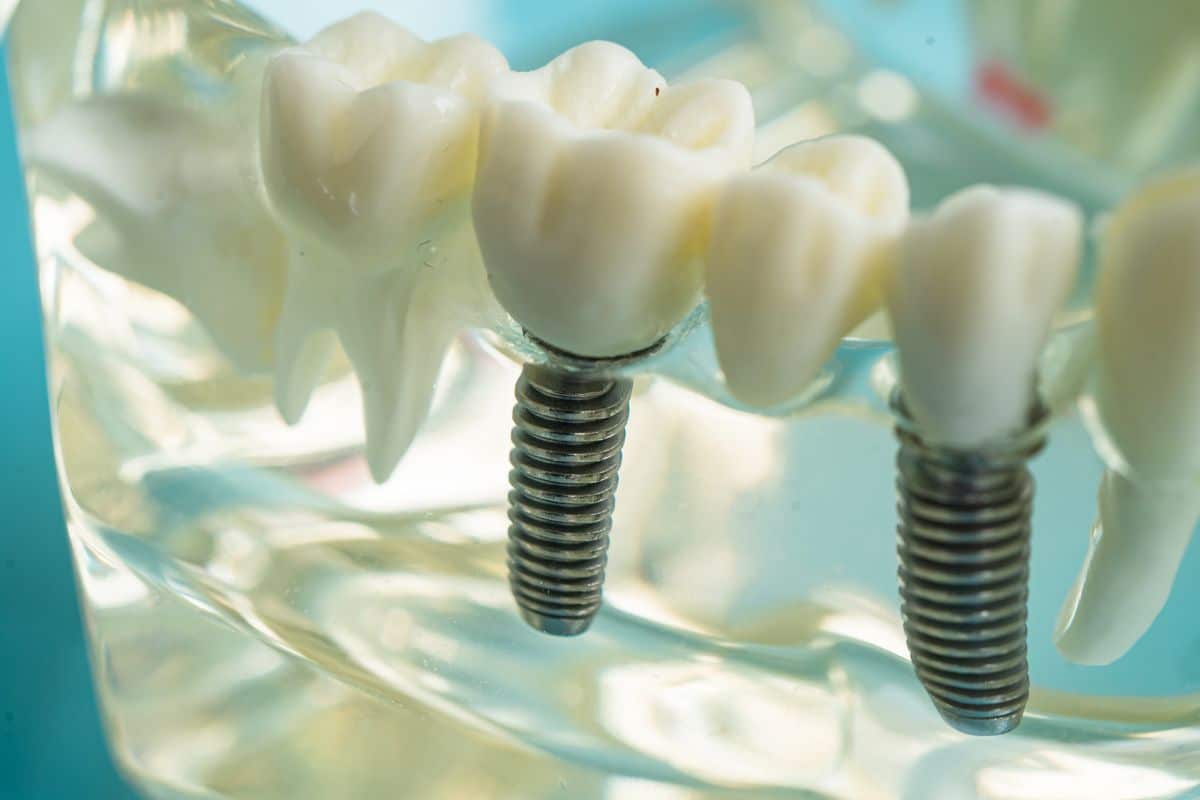
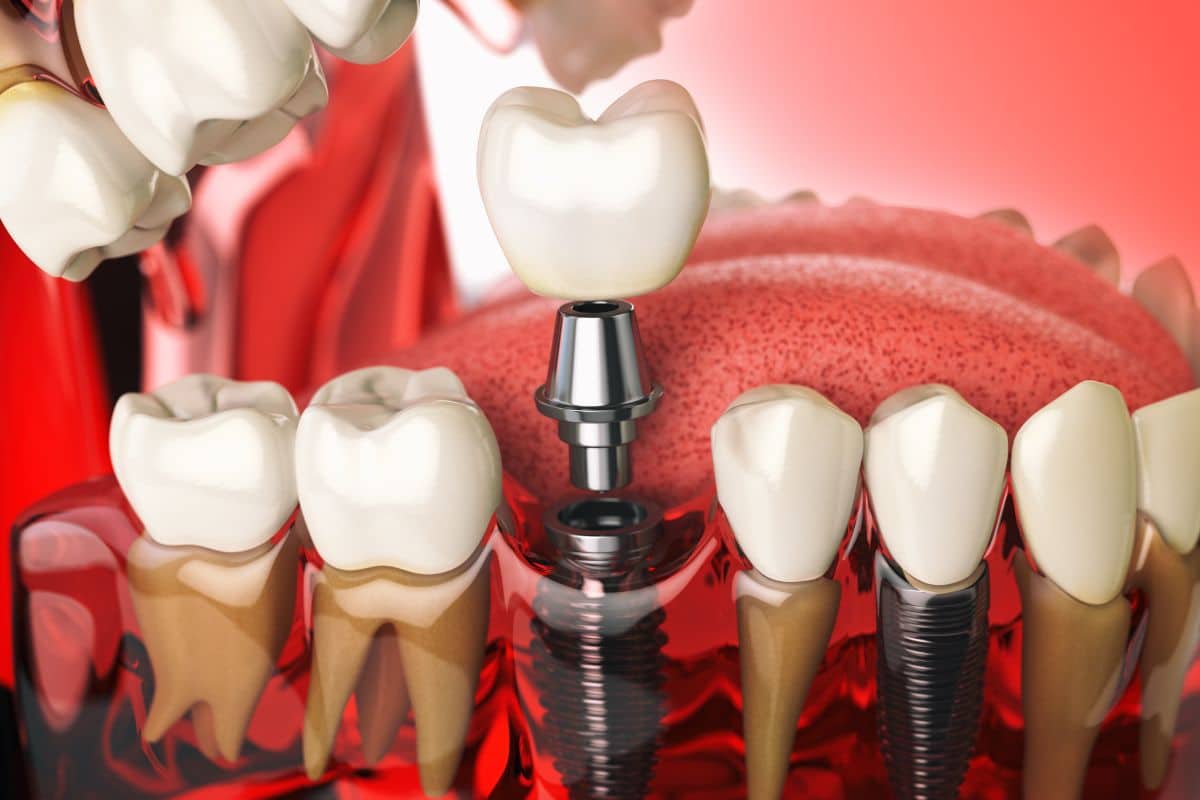
A dental implant uses a small post placed in the jawbone as an artificial tooth root. Once the area has healed, a restoration such as a crown can be attached.
2. A Tooth Is Too Damaged to Save
Not every severely damaged tooth needs to be extracted. In some cases, treatments such as a filling, crown, or root canal may preserve the natural tooth.
However, when a tooth is fractured or has too little healthy structure remaining to restore predictably, extraction may become necessary. At that point, an implant may be one of several tooth replacement options.
If you have a cracked tooth, don’t assume extraction is inevitable. The appropriate treatment depends on where and how severely the tooth is damaged.
3. You Have Trouble Chewing Because of a Missing Tooth
A missing tooth can make it harder to chew comfortably, particularly when you’re trying to avoid one side of your mouth.
If you find yourself changing the way you eat because of tooth loss, talk with your dentist about replacement options. Restoring the missing tooth may help you regain more balanced dental function.
4. You Don’t Like Wearing a Removable Denture
Dentures can be an appropriate solution for many patients, but some people find removable appliances uncomfortable or inconvenient.
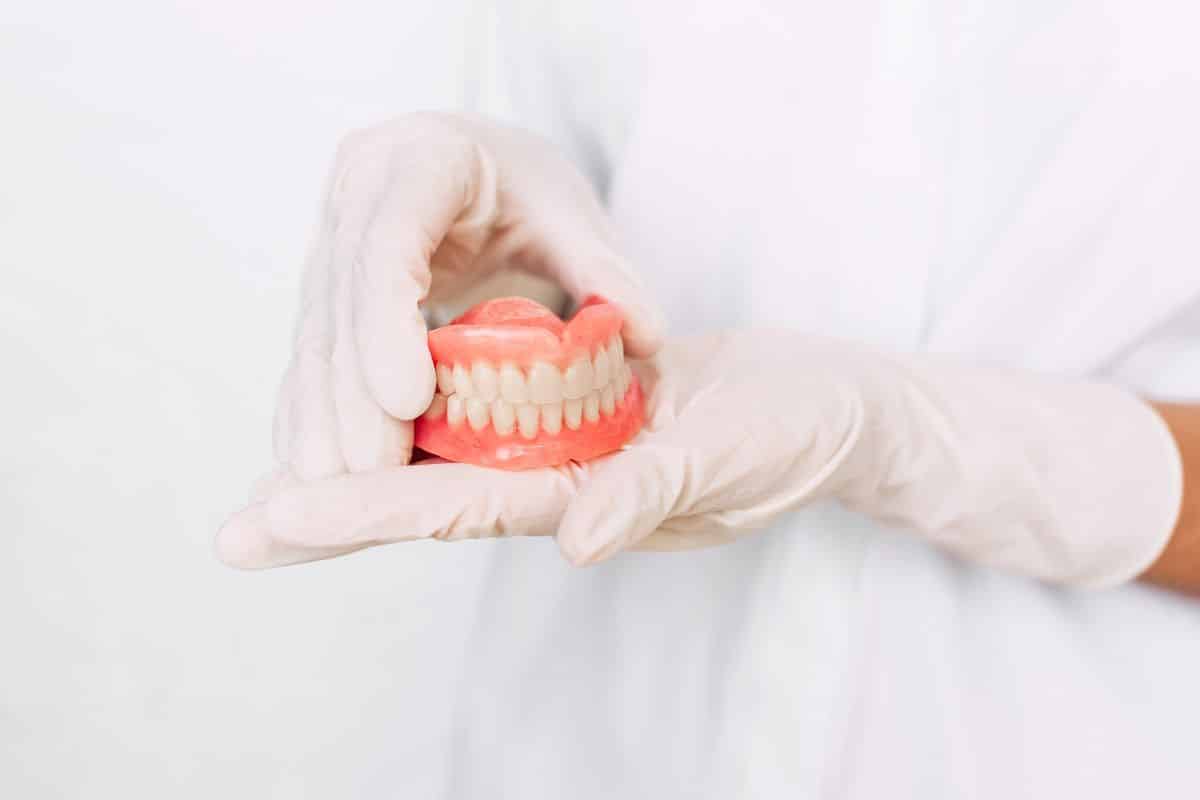
If your denture feels unstable, makes eating difficult, or simply doesn’t fit your lifestyle, ask your dentist whether an implant-supported option could be appropriate. Dental implants can sometimes be used to support bridges or dentures rather than replacing only one tooth.
5. You Want to Avoid Removing Healthy Teeth for a Bridge
A traditional dental bridge generally relies on neighboring teeth for support.
For some patients, preserving healthy adjacent teeth is an important consideration. An implant-supported restoration may offer an alternative because the implant itself provides support for the replacement tooth.
Your dentist can compare the benefits and limitations of a bridge versus an implant based on your specific situation.
6. Your Smile Has a Noticeable Gap From Tooth Loss
A missing tooth can affect your confidence, especially when the gap is visible when you smile or speak.
While appearance is not the only reason to replace a tooth, it’s a legitimate part of the decision. An implant crown can be custom-made to fit the surrounding teeth in size, shape, and color.
7. Your Teeth Have Started Shifting After Tooth Loss
When a tooth is missing, neighboring teeth may change position over time. This can alter your bite and make cleaning certain areas more difficult.
Tooth movement doesn’t automatically mean you need an implant, but it is a good reason to have your mouth evaluated rather than leaving the gap unaddressed indefinitely.
8. You Want a More Stable Tooth Replacement
Some patients are looking for an alternative to a removable appliance because they want their replacement tooth to feel more secure.
Because a dental implant is anchored in the jawbone, it can provide a stable foundation for a replacement tooth. The treatment process does involve healing time, so your dentist should explain the timeline and what to expect before you begin.
9. You Have a Failing Tooth and Are Exploring Your Options
A tooth that repeatedly develops problems may leave you wondering whether it’s time to consider extraction and replacement.
Before choosing an implant, your dentist should determine whether the natural tooth can still be predictably treated. Preserving a natural tooth is often considered when it is a reasonable option.
If the tooth cannot be saved, an implant may become part of the conversation.
10. You Want to Understand Your Tooth Replacement Options
You don’t have to wait until you’re certain you need an implant before scheduling a consultation.
If you’re missing a tooth, have a severely damaged tooth, or are unhappy with your current replacement, an evaluation can help you understand the available choices. Depending on your oral health and circumstances, options may include an implant, bridge, denture, or another restoration.
What Happens During a Dental Implant Evaluation?
A dental implant consultation typically begins with an examination of your teeth, gums, bite, and overall oral health. Your dentist may also use dental X-rays or other imaging to evaluate the jawbone and surrounding structures.
The goal is not simply to determine whether you want an implant. It is to determine whether an implant is appropriate for you and what treatment sequence makes sense.
Melissa Dental & Orthodontics notes that its implant treatment process works with trusted oral surgeons for the surgical portion of implant treatment. The practice also explains that adequate healing and integration of the implant with the jawbone are important parts of treatment.
Factors such as bone health, gum health, tobacco use, medical conditions, and medications can affect treatment planning. Your dental team can discuss these factors with you individually.
Do Dental Implants Work for Everyone?
No. Dental implants are not automatically the right choice for every patient.
Some people may need treatment for gum disease or other oral health concerns first. Others may need additional procedures if there is not enough bone to support an implant. Your overall health and healing ability also matter.
That is why an in-person evaluation is important. Online information can help you recognize potential signs, but it cannot determine whether an implant is right for your mouth.
When Should You See a Dentist?
Consider scheduling an evaluation if you have a missing tooth, a severely damaged tooth, difficulty chewing, an uncomfortable denture, or concerns about replacing a tooth.
You should also seek prompt dental attention for symptoms such as significant swelling, severe pain, fever, or signs of infection. These problems should be evaluated rather than managed solely with an implant plan.
Frequently Asked Questions
Is a missing tooth always a sign that I need a dental implant?
No. An implant is one possible replacement option. Depending on your oral health, preferences, and treatment needs, a bridge, denture, or another restoration may also be appropriate.
How long does a dental implant take?
Treatment time varies. Implant treatment commonly involves placement of the implant, a healing period while the implant integrates with the jawbone, and placement of the final restoration. Your timeline depends on factors such as bone health and whether additional treatment is needed.
Can a badly cracked tooth be replaced with an implant?
Possibly. If a cracked tooth cannot be predictably restored and extraction is necessary, an implant may be considered as a replacement. However, a dentist should evaluate the tooth before deciding that extraction is necessary.
Am I too old for a dental implant?
Age alone does not determine whether someone can receive an implant. Overall health, oral health, bone condition, healing ability, and other individual factors are more important considerations.
What should I do if I think I need a dental implant?
Schedule an evaluation with a dentist. Bring questions about your treatment options, expected timeline, cost, healing, and alternatives. If you’re comparing local practices, finding the right dental implant provider in Melissa can also help you know what factors to consider before scheduling a consultation. A personalized examination can help you make an informed decision.
Conclusion
Knowing the signs you need a dental implant can help you recognize when it’s time to discuss tooth replacement with a dental professional. A missing or severely damaged tooth doesn’t necessarily mean an implant is your only option but it does mean you deserve a clear explanation of what comes next.
For patients in Melissa, TX, Melissa Dental & Orthodontics provides dental implant treatment as part of its restorative dental services. If you’re living with tooth loss, an uncomfortable denture, or a tooth that may not be restorable, schedule an evaluation to discuss your options.
The right treatment starts with understanding your individual needs, your oral health, and the choices available to you.