Missing teeth can affect more than just your appearance; they can impact your ability to eat, speak, and smile with confidence. If you’re considering dental implant treatment, one of the most common questions is, “How long does recovery take?”
Understanding the dental implant recovery process can help you feel more prepared and confident about your treatment. While every patient heals at a different pace, most people experience a predictable recovery timeline. If you’re considering dental implants treatment in Melissa, this guide explains what to expect week by week and how to support a successful recovery.
Quick Answer
Dental implant recovery typically begins with mild swelling and discomfort during the first week, followed by gradual healing over several weeks. While most patients return to normal daily activities within a few days, complete integration of the implant with the jawbone can take three to six months before the final restoration is placed.
Understanding Dental Implant Recovery
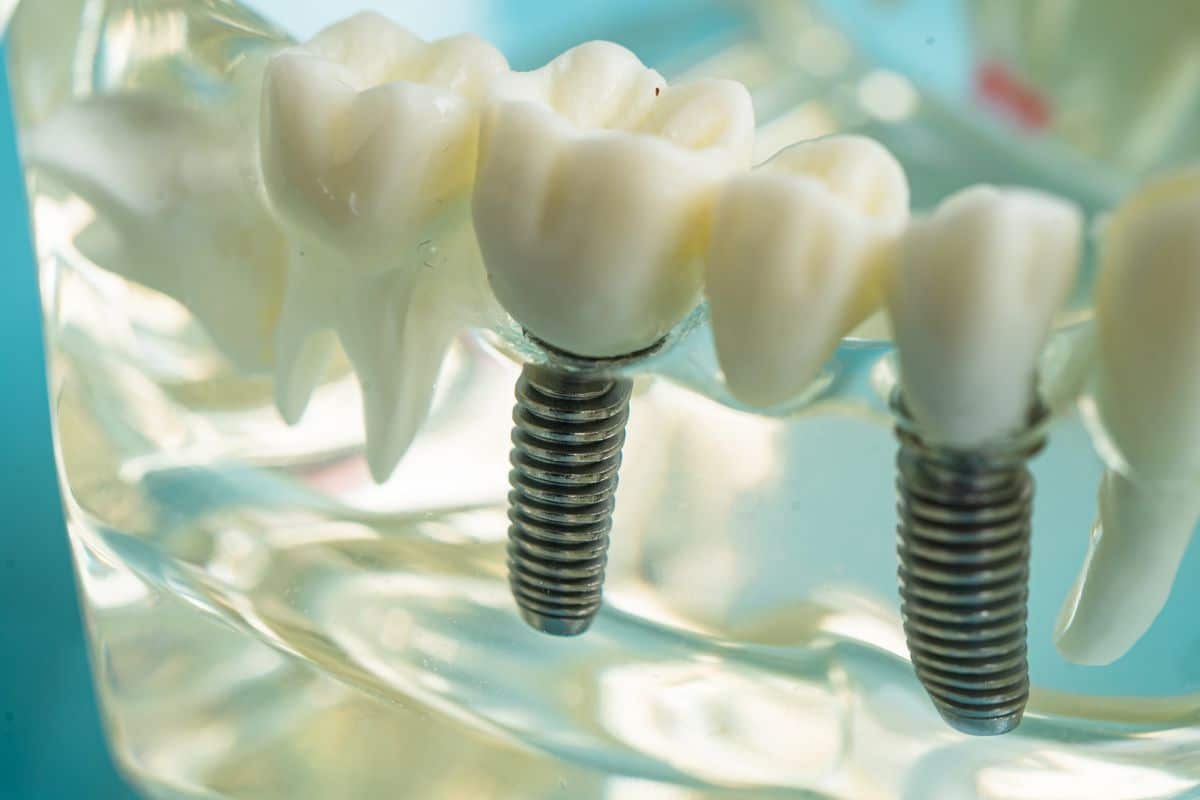
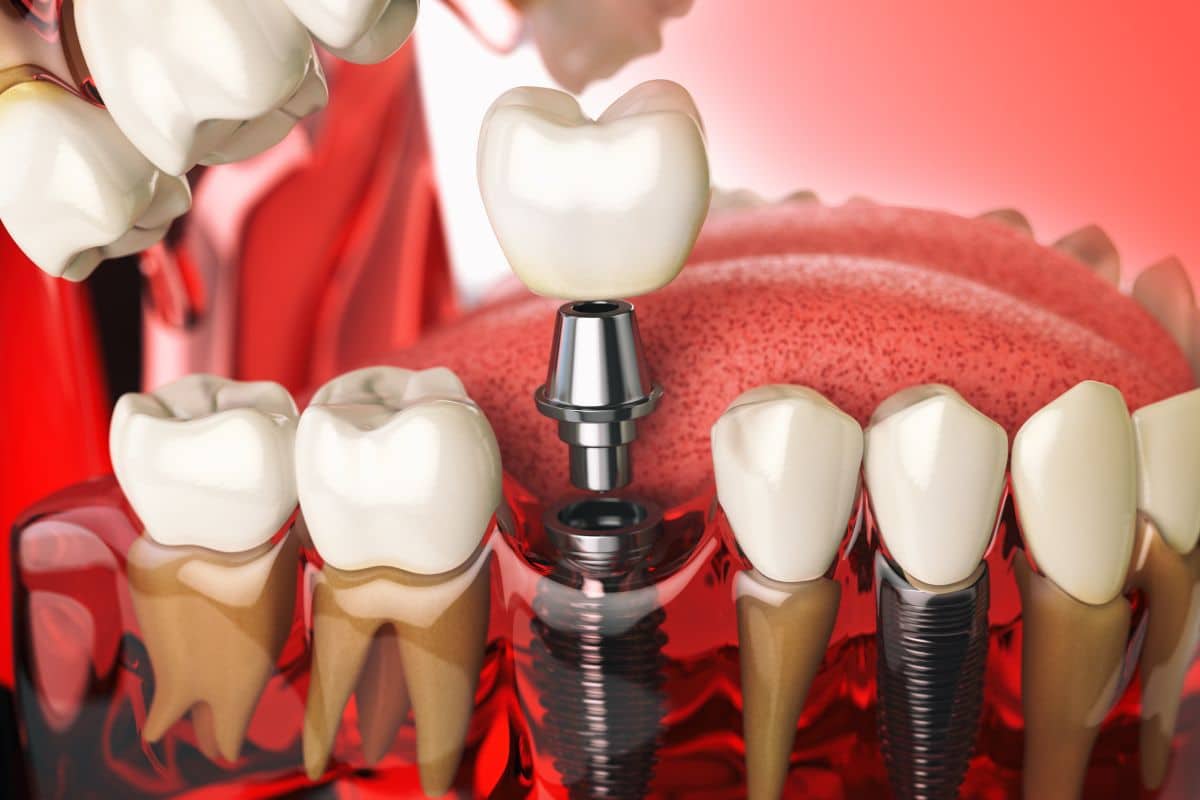
A dental implant is a titanium post that is surgically placed into the jawbone to replace a missing tooth root. After placement, the implant undergoes a process called osseointegration, where it fuses with the surrounding bone.
Several factors can influence healing time, including:
- Overall health
- Bone density
- Smoking habits
- Oral hygiene practices
- Number of implants placed
- Whether bone grafting was needed
Following your dentist’s instructions closely is one of the most important steps toward a smooth recovery.
Week 1: Initial Healing and Recovery
The first few days after implant surgery are usually when patients notice the most symptoms.
What You May Experience
- Mild swelling around the implant site
- Tenderness or soreness
- Minor bleeding during the first 24 hours
- Slight bruising of the gums or face
These effects are normal and typically improve within several days.
Recovery Tips
- Apply cold compresses as directed
- Eat soft foods such as yogurt, smoothies, soup, and mashed potatoes
- Avoid smoking and alcohol
- Take prescribed medications as recommended
- Rest and avoid strenuous activities
Following the right diet is also an important part of healing. If you’re unsure what foods are safe to eat, explore our guide on what to eat after dental implant surgery for helpful nutrition tips and meal recommendations during recovery.
Weeks 2-3: Soft Tissue Healing
By the second and third weeks, most visible signs of surgery begin to disappear.
What Happens During This Stage?
Your gum tissue continues to heal around the implant site. Swelling and tenderness usually decrease significantly.
You may notice:
- Improved comfort
- Reduced sensitivity
- Better chewing ability
- Healthier-looking gum tissue
Although you may feel normal, the implant is still healing beneath the surface.
Oral Care Guidelines
Continue practicing excellent oral hygiene by:
- Brushing gently around the area
- Using recommended antimicrobial rinses
- Following all post-operative instructions
Keeping the area clean helps reduce the risk of infection and promotes healthy healing.
Weeks 4-8: Bone Integration Begins
During this phase, the implant starts forming a stronger connection with your jawbone.
Why This Stage Is Important
Osseointegration is what makes dental implants so stable and long-lasting. While patients typically experience little to no discomfort during this period, significant healing activity is occurring below the gumline.
Your dentist may schedule follow-up appointments to monitor progress and ensure the implant is healing properly.
Foods to Continue Avoiding
To protect the implant, avoid:
- Hard candies
- Ice chewing
- Nuts
- Sticky foods
- Very crunchy snacks
Protecting the implant during this stage supports long-term success.
Months 2-6: Complete Osseointegration
For many patients, complete integration between the implant and jawbone takes approximately three to six months.
What to Expect
During this period:
- The implant becomes increasingly stable
- Bone tissue strengthens around the implant
- The foundation for the final restoration develops
Most patients feel completely normal during this stage and can enjoy their regular routines.
If your treatment included bone grafting or multiple implants, healing may take slightly longer.
Final Restoration Placement
Once your dentist confirms successful osseointegration, the final restoration process begins.
This may include:
- An implant crown
- Implant-supported bridge
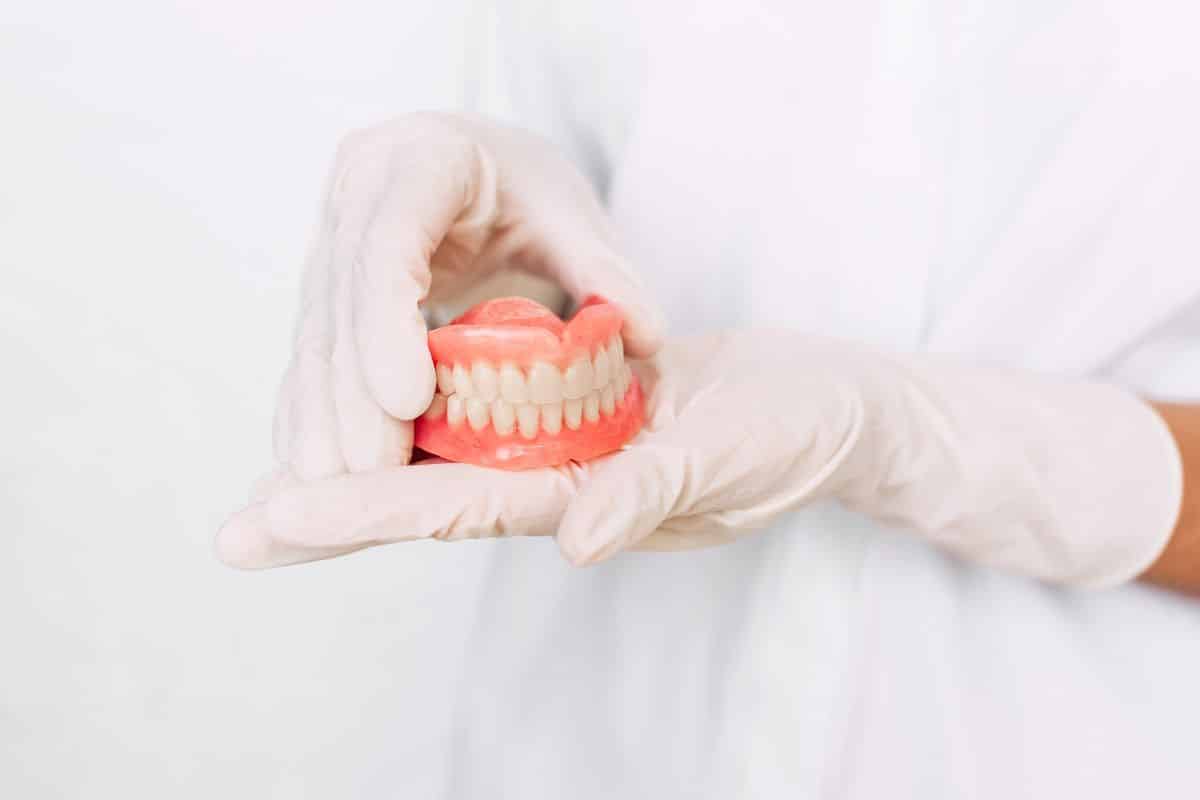
- Implant-supported denture
The custom restoration is designed to match your natural smile while restoring function and appearance.
After placement, many patients report improved confidence, better chewing ability, and a more natural-looking smile.
Benefits of Dental Implants
Dental implants remain one of the most trusted tooth replacement options available today.
Benefits include:
- Natural appearance
- Improved chewing efficiency
- Preservation of jawbone health
- Long-term durability
- Enhanced speech
- Increased confidence
Unlike traditional dentures, implants are securely anchored within the jawbone, providing excellent stability.
Potential Risks During Recovery
While dental implants have a high success rate, it is important to understand potential complications.
Possible risks include:
- Infection
- Delayed healing
- Implant failure
- Nerve irritation
- Sinus complications for upper implants
Choosing an experienced dental team and following aftercare instructions significantly reduces these risks.
Aftercare Tips for Long-Term Success
Even after recovery is complete, proper maintenance remains essential.
Daily Care Recommendations
- Brush twice daily
- Floss around implants regularly
- Attend routine dental checkups
- Avoid tobacco products
- Wear a nightguard if recommended
Consistent care helps protect both your implant and overall oral health.
Why Melissa Dental & Orthodontics in Melissa
When considering dental implants in Melissa, choosing the right dental provider can make a meaningful difference in your treatment experience.
At Melissa Dental & Orthodontics, patients receive personalized treatment plans tailored to their specific needs and oral health goals. The practice combines modern technology with a patient-focused approach to help ensure accurate diagnosis, precise implant placement, and comfortable care.
Patients throughout Melissa and nearby communities appreciate:
- Comprehensive implant consultations
- Advanced diagnostic technology
- Customized treatment planning
- Compassionate patient care
- Convenient local access to restorative dentistry services
Whether you’re replacing one missing tooth or multiple teeth, the team is committed to helping you achieve a healthy, confident smile.
See What Local Patients Are Saying
Want to stay informed about the latest dental tips, office news, and patient experiences from our community? See patient reviews on Google to explore recent updates, learn about real patient experiences, and discover how Melissa Dental & Orthodontics helps families achieve healthier smiles in Melissa, Texas.
You can also learn more about treatment options for dental implants near Melissa and discover how personalized care can help restore your smile.
Conclusion
Understanding the dental implant recovery timeline can help you feel prepared for every stage of treatment. While initial healing occurs within a few weeks, complete integration of the implant with the jawbone typically takes several months. Following your dentist’s instructions, maintaining excellent oral hygiene, and attending follow-up visits are essential for long-term success.
If you’re considering dental implants in Melissa and want personalized guidance, schedule a consultation with Melissa Dental & Orthodontics today. Our experienced team is here to answer your questions and help you achieve a healthier, more confident smile.
Call us today at +1 (469) 919-5605 to schedule your appointment.