Dental implant have become a popular and effective solution for replacing missing teeth, offering a long-lasting and natural-looking result.
According to American Academy of Implant Dentistry, more than 3 million implants were placed in the United States in 2019 before the COVID-19 pandemic
Knowing what to expect can help ease your concerns and ensure a smoother experience. In this guide, we’ll walk you through the essential steps to prepare for your first dental implant treatment.
What Are Dental Implants?
Before we get into preparation tips, it’s important to understand what a dental implant is.
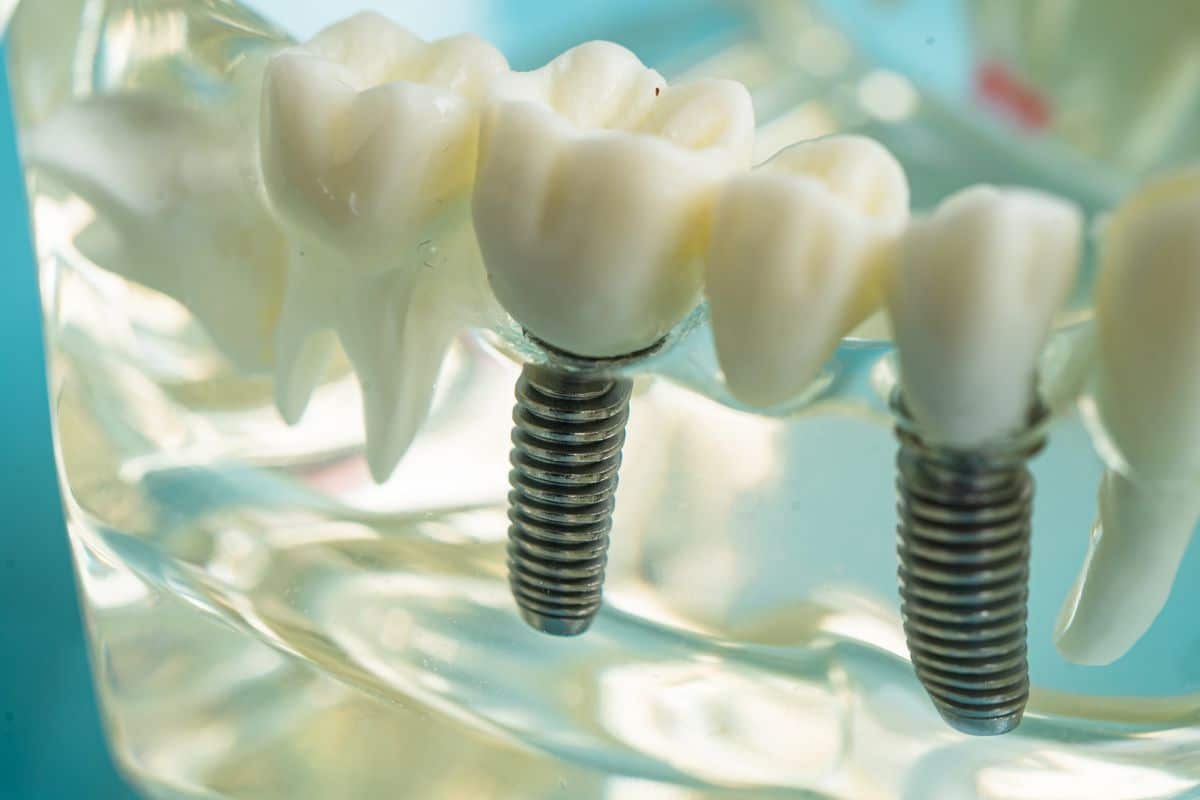
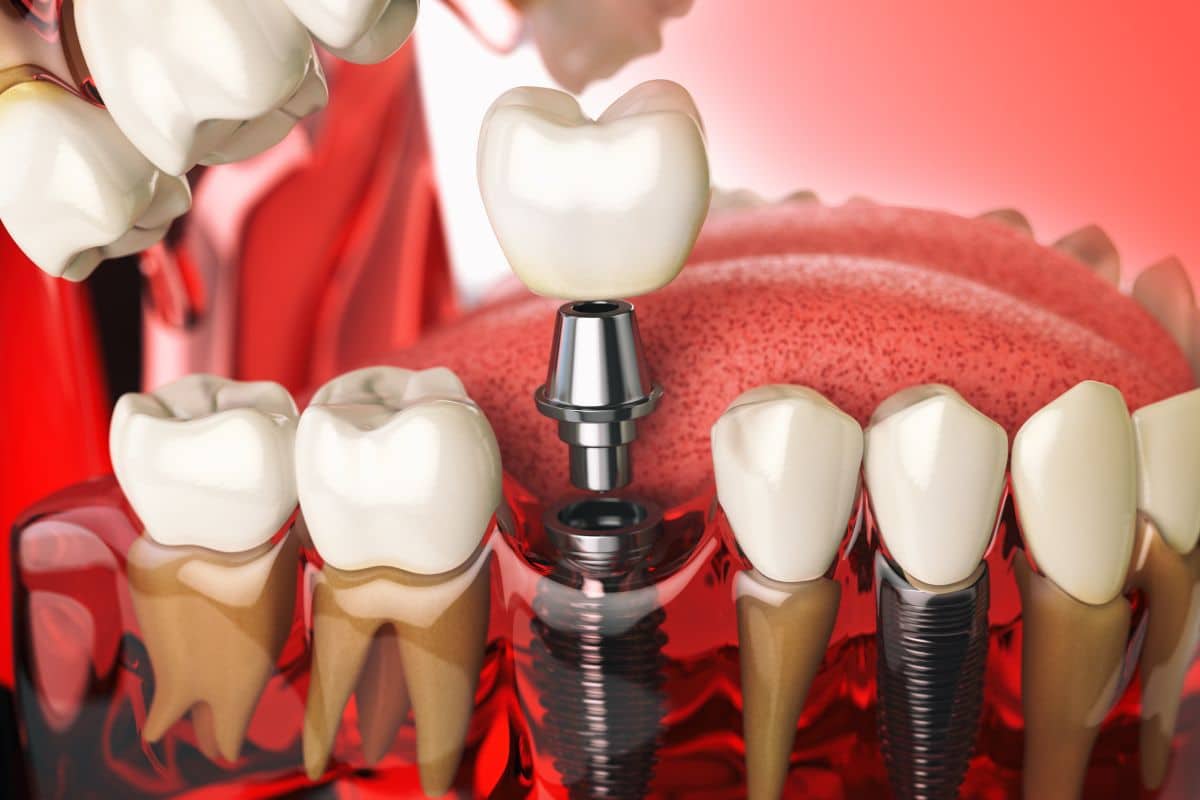
A dental implant is a titanium post surgically placed into your jawbone, acting as a replacement root for a missing tooth.
Once the implant fuses with the bone, a crown is placed on top, restoring both function and appearance. Unlike traditional dentures or bridges, dental implants offer a permanent, stable solution that feels and looks like your natural teeth.
1. Consultation and Evaluation
Your journey to a dental implant begins with a thorough consultation. During this appointment, your dentist will assess your oral health, review your medical history, and determine if you’re a good candidate for implants. They may perform a physical examination, take X-rays, or even a 3D scan of your mouth to assess the health of your jawbone and surrounding structures. If you have gum disease or insufficient bone mass, your dentist may recommend treatments like a bone graft or gum therapy to ensure the success of the implant.
Tip: Be prepared to discuss any health conditions or medications you’re taking. This helps your dentist customize a treatment plan tailored to your needs.
2. Understand the Procedure
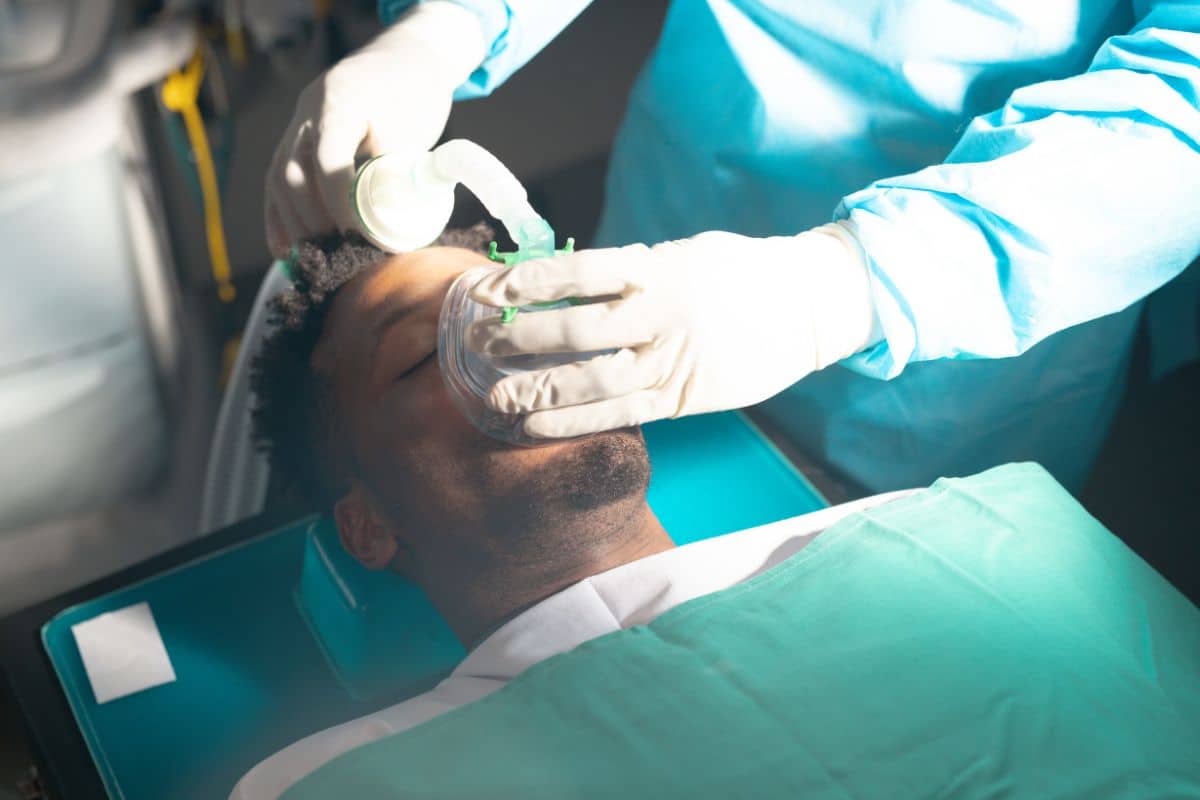
Dental implant surgery is a multi-step process that typically involves several visits. The procedure itself is minimally invasive, performed under local anesthesia to ensure you’re comfortable.
After the implant is placed in your jaw, the bone needs time to fuse with the titanium post—a process called osseointegration. This healing period can take several months.
Your dentist will explain each step of the process, including any necessary follow-up visits. Understanding the timeline and what to expect will help you feel more confident as you move forward.
Tip: Ask your dentist about sedation options if you’re feeling anxious about the procedure.
3. Prepare for Aftercare and Recovery
After your dental implant procedure, it’s important to follow proper aftercare instructions to ensure the success of the implant.
Most patients experience mild discomfort, swelling, or bruising after surgery, which is normal and can be managed with over-the-counter pain relievers.
Here are some tips to prepare for the recovery period:
- Plan for Rest: After the procedure, plan for at least one or two days of rest. Avoid strenuous activities and follow any post-surgery instructions provided by your dentist.
- Stick to Soft Foods: For the first few days, stick to a soft-food diet to avoid irritating the surgical area. Soups, mashed potatoes, and yogurt are great options.
- Ice Packs for Swelling: Apply an ice pack to your face to minimize swelling and discomfort during the first 24 to 48 hours.
- Good Oral Hygiene: Keep the surgical site clean, but avoid brushing directly on the implant site. Follow your dentist’s advice for gentle oral hygiene practices during recovery.
Tip: Have someone drive you home after the procedure as the anesthesia or sedation may leave you feeling groggy.
4. Follow a Healthy Lifestyle
Good overall health contributes to the success of your dental implant. Prior to your treatment, consider adopting habits that promote healing and well-being:
- Avoid Smoking: Smoking can hinder the healing process and increase the risk of complications. If you smoke, try to quit or reduce smoking before and after the procedure.
- Eat Nutrient-Rich Foods: A balanced diet rich in vitamins and minerals will support healing. Foods high in calcium and vitamin D are especially beneficial for bone health.
- Stay Hydrated: Drink plenty of water to stay hydrated, especially during the recovery process.
Tip: Talk to your dentist about any concerns you have about smoking or diet before your surgery.
5. Manage Expectations and Ask Questions
Before your first dental implant treatment, it’s important to have realistic expectations. Dental implants are a highly effective solution, but success depends on various factors, including bone health, the skill of your dentist, and your commitment to post-operative care.
Take the time to ask your dentist any questions you may have about the procedure, recovery, and what to expect long-term. Knowing what’s ahead can reduce anxiety and help you feel prepared for your dental implant journey.
Tip: Keep track of your questions and bring them to your consultation so that you don’t forget anything important.
6. Schedule a Follow-Up Appointment
After your dental implant procedure, you will need to attend follow-up appointments to monitor your healing progress. These appointments allow your dentist to ensure that the implant is properly fusing with the bone and address any concerns you might have. Typically, you’ll need a few visits over the course of several months before the final crown is placed.
Conclusion: Take the First Step Toward a Confident Smile
Preparing for a dental implant in Melissa, Texas, may seem overwhelming, but with the right preparation, you’ll be well on your way to a restored smile. By consulting with an experienced implant dentist, following proper aftercare, and maintaining a healthy lifestyle, you can enjoy the benefits of a durable and natural-looking dental implant.
If you’re ready to start your dental implant journey, Contact us and visit Melissa Dental & Orthodontics today to schedule your consultation. We’re here to help you every step of the way!