Dental emergencies can be painful, inconvenient, and costly. However, many of these emergencies can be prevented with proper care and preventive measures. In this blog, we will discuss various tips and strategies to minimize the risk of urgent dental issues, allowing you to maintain good oral health and avoid unexpected dental emergencies.
1. Maintain a Consistent Oral Hygiene Routine:
Regular brushing, flossing, and rinsing with mouthwash are essential for preventing dental issues. These practices help remove plaque, bacteria, and food particles that can contribute to tooth decay, gum disease, and other oral problems. By maintaining a consistent oral hygiene routine, you can significantly reduce the risk of dental emergencies.
2. Schedule Regular Dental Check-ups:
Regular visits to your dentist are crucial for preventive care. During these check-ups, your dentist can identify any potential issues and take appropriate measures to address them before they escalate into emergencies. These visits also include professional cleanings, which can help remove stubborn plaque and tartar buildup that cannot be removed through regular brushing.
3. Follow a Healthy Diet:
Eating a balanced diet plays a significant role in maintaining good oral health. Limit your consumption of sugary and acidic foods and beverages, as they can contribute to tooth decay and enamel erosion. Instead, opt for a diet rich in fruits, vegetables, lean proteins, and dairy products, which provide essential nutrients for strong teeth and gums.
4. Wear Protective Gear during Physical Activities:
If you participate in contact sports or activities that pose a risk of dental injuries, it’s important to wear protective gear, such as mouthguards or helmets. These protective devices can help prevent tooth fractures, dislodgements, and other traumatic injuries that may require immediate dental attention.
5. Avoid Bad Habits:
Certain habits can increase the risk of dental emergencies. Avoid chewing on ice, hard candies, or other hard objects that can cause tooth fractures. Similarly, refrain from using your teeth as tools to open packages or bottles, as this can lead to chips or cracks. Additionally, avoid habits such as nail-biting or teeth grinding, as they can wear down tooth enamel and lead to dental issues.
6. Take Care of Existing Dental Work:
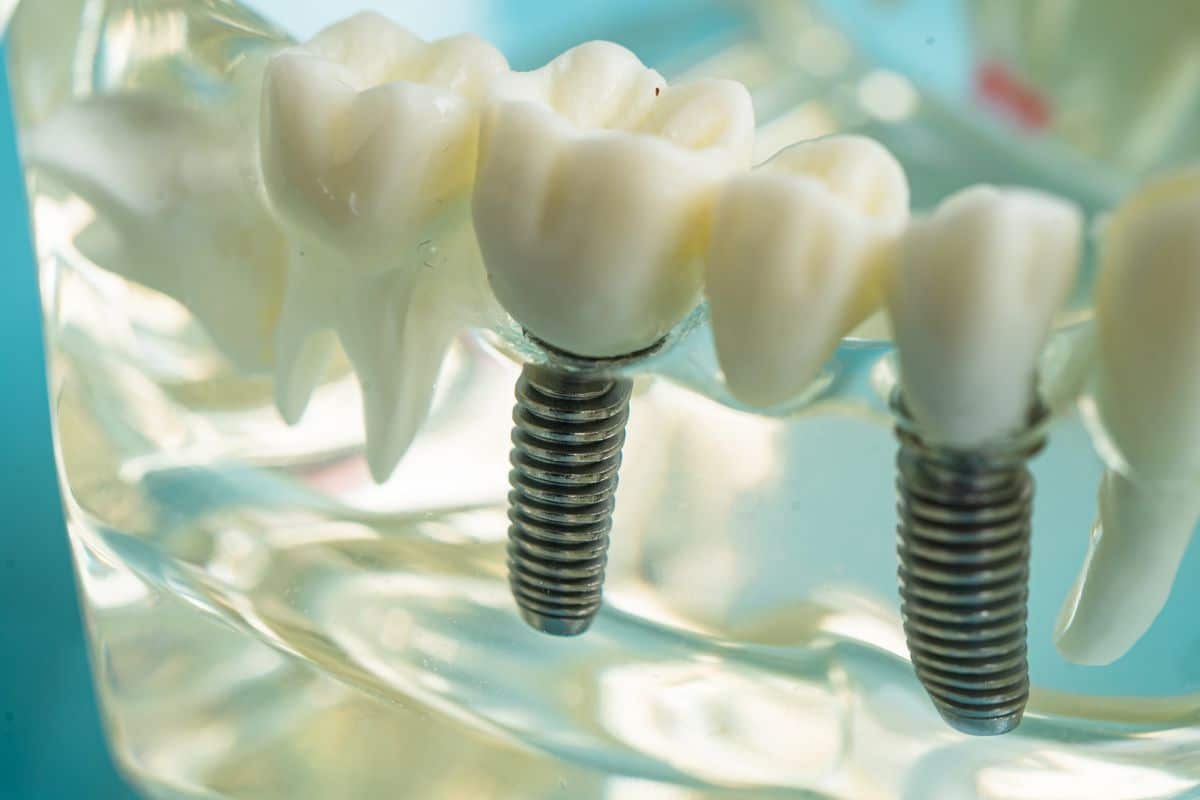
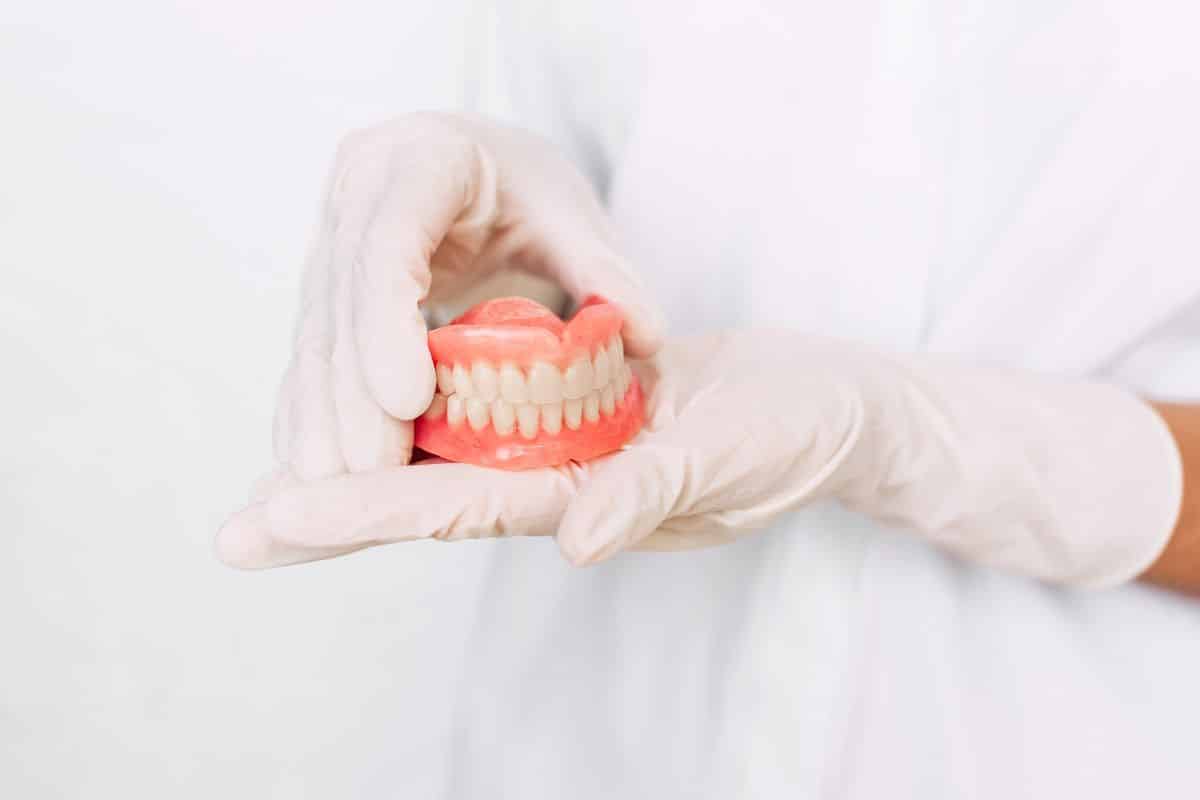
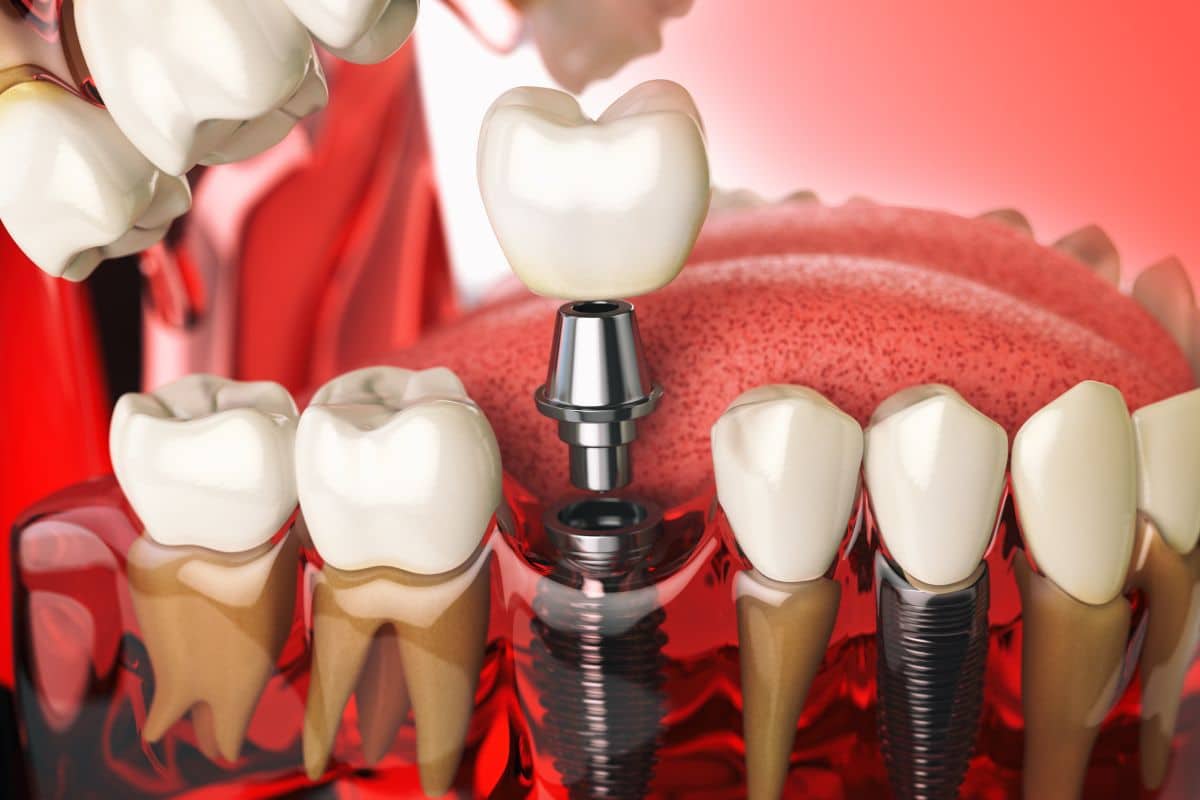
If you have dental restorations like fillings, crowns, or bridges, it’s important to take care of them properly. Follow your dentist’s instructions for cleaning and maintenance to ensure the longevity of these restorations. Regularly inspect them for any signs of damage or deterioration and seek prompt dental care if any issues arise.
Conclusion:
By following these preventive tips, you can significantly minimize the risk of dental emergencies. Remember to maintain a consistent oral hygiene routine, schedule regular dental check-ups, follow a healthy diet, wear protective gear, avoid bad habits, and take care of existing dental work. These simple steps can go a long way in protecting your oral health and ensuring that you avoid unnecessary dental emergencies.