Why do dental fillings fall out? This frustrating issue often stems from factors like decay, wear, or trauma, which affect fillings and lead to situations where a cavity filling falls out unexpectedly.
At Melissa Dental & Orthodontics, we frequently help patients with dental fillings Melissa concerns, ensuring reliable tooth cavity filler solutions. In this article, we’ll cover what fillings dental are and their lifespan, common reasons for a dental filling fell out, signs of failure like when a filling falls out, prevention tips to avoid a dental filling keeps falling out, immediate steps if it happens, and alternatives to traditional tooth fillers—all based on expert dental knowledge to empower Melissa, TX residents with trustworthy guidance.
What Are Dental Fillings and How Long Do They Last?
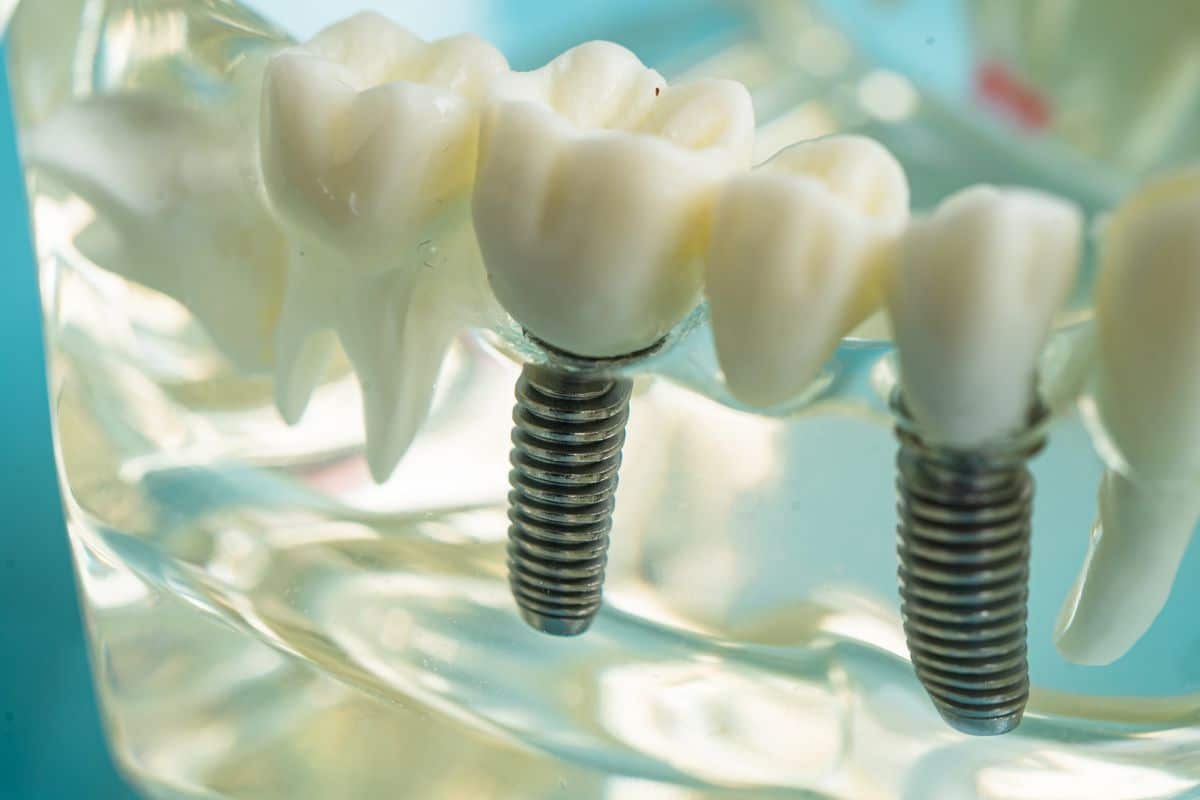
Dental fillings are restorative materials used to repair cavities, cracks, or damage in teeth, commonly known as tooth fillers. Types include amalgam for durability in back teeth and composite for aesthetic tooth enamel fillings that match natural color. A typical dental filling lasts 5-15 years, depending on material and location, with composite tooth cavity fillers often needing replacement sooner due to wear.
Factors like oral hygiene and habits influence longevity; for instance, poor care can accelerate issues where a filling falls out. In Melissa, TX, dental fillings that Melissa patients choose should consider lifestyle impacts, such as diet, on tooth enamel fillings. Regular checkups help monitor these fillings to extend their life.
Common Reasons Why Dental Fillings Fall Out
Several factors explain why a cavity filling or dental filling falls out. New decay around the edges weakens the bond, causing the filling to loosen. Wear from chewing hard foods or grinding stresses tooth fillers, leading to cracks where a dental filling keeps falling out over time.
Other causes include trauma from accidents, which dislodges fillings, or improper initial placement, which affects tooth cavity filler adhesion. For Melissa, TX locals, habits like consuming sticky treats can exacerbate issues with tooth enamel fillings, making routine evaluations essential to prevent repeated problems.
Signs and Symptoms of a Failing Filling
Recognizing early signs can prevent a full cavity filling fallout scenario. Sensitivity to hot, cold, or sweet foods often signals underlying decay in dental fillings. Pain when biting or visible gaps around the filling indicate potential failure.
A rough edge or discoloration around tooth fillers may precede when a filling falls out. If you notice these in your dental fillings, Melissa, seek prompt care to avoid complications like infection from an exposed tooth cavity filler.
Prevention and Maintenance Tips
To minimize the risk of a dental filling falling out, maintain excellent oral hygiene by brushing twice daily and flossing to protect the filling’s edges. Avoid hard candies or ice that strain tooth enamel, and use a mouthguard if you grind your teeth to safeguard tooth fillers.
Biannual dental visits for dental fillings and checkups allow early detection, preventing dental fillings from falling out. A balanced diet low in sugars supports the long-term stability of your fillings and overall oral health.
What to Do If Your Filling Falls Out
If a cavity filling falls out, rinse your mouth with warm saltwater and avoid chewing on that side to protect the exposed area. Cover the hole with dental wax or sugar-free gum temporarily while scheduling an emergency visit for filling and dental repair.
Don’t delay; prolonged exposure risks infection in the tooth cavity filler site. Quick action for Melissa, TX, residents prevents further damage to the tooth enamel filling.
Alternatives to Traditional Fillings
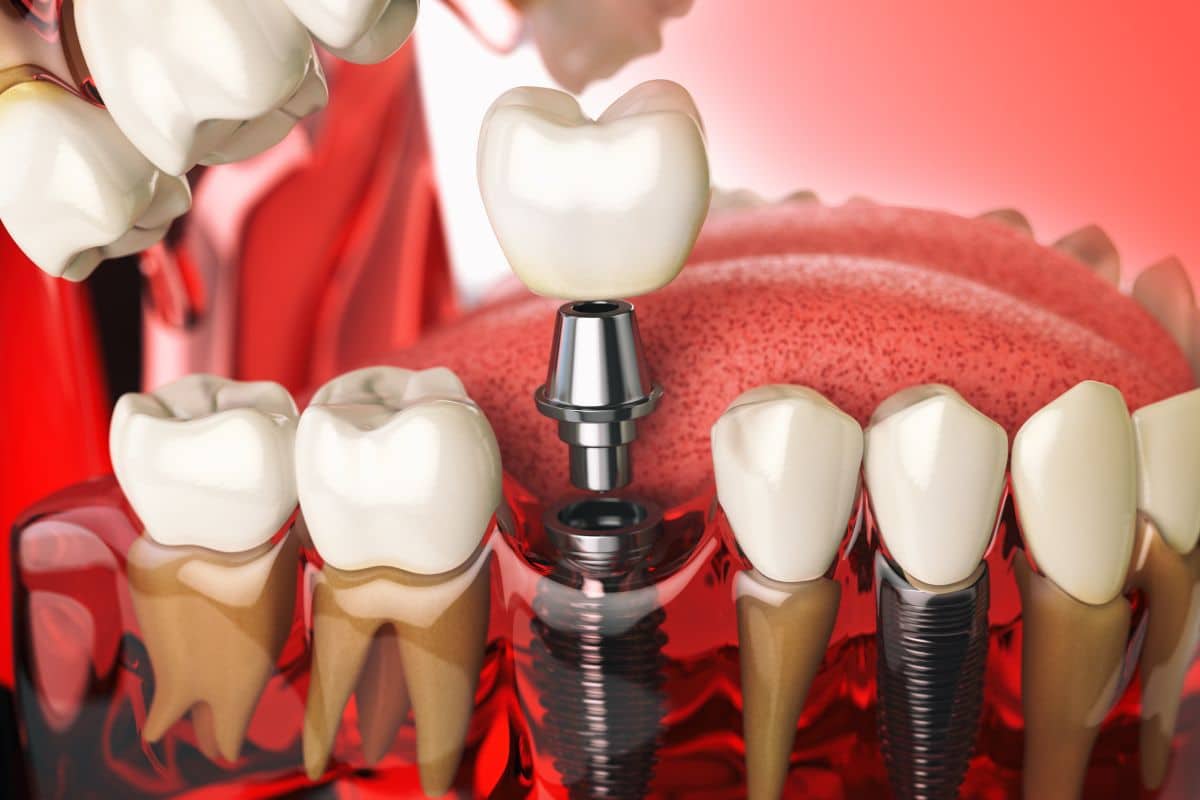
If recurrent issues like a filling falling out persist, consider crowns for more durable coverage over weakened teeth, unlike standard tooth fillers. Inlays or onlays provide stronger alternatives to basic filling dental for larger cavities.
Sealants offer preventive protection for grooves, reducing the need for fillings in prone areas. Discuss these with your dentist to find the best fit beyond traditional fillings.
Key Takeaways
In essence, dental fillings fall out due to decay, wear, or poor habits, but proactive care can extend the life of your dental fillings and tooth fillers. For lasting solutions, consult professionals experienced in handling situations when a dental filling keeps falling out. Contact Melissa Dental & Orthodontics today for expert evaluation—schedule your appointment now to restore your smile securely.
FAQs
Q: Is it common for dental fillings to fall out?
A: It’s not uncommon. Fillings can loosen or break over time due to wear, decay, or biting habits. If one falls out, see your dentist promptly.
Q. What is the Average Lifespan of a Tooth Filling?
A: Lifespan depends on the material—gold (20 years), ceramic/porcelain (15), amalgam (10–15), composite (7), and glass ionomer (5 or less).
Q. Why do Fillings Drop Out?
Q: Can dental fillings wear down over time?
A: Yes. Fillings can weaken from chewing forces or habits like teeth grinding, which may eventually cause them to loosen or fall out.