When it comes to pediatric dental issues, prevention and early care make all the difference. From cavities and baby teeth problems to orthodontic concerns, understanding what to watch for can help your child maintain a lifetime of healthy smiles. At Melissa Dental & Orthodontics in Melissa, TX, we’re here to guide parents through every stage — from toddler teeth to teen braces — with gentle, expert pediatric dental treatment.
Cavities & Tooth Decay: Why Kids Get Them
Tooth decay is one of the most common pediatric dental issues — often caused by sugary snacks, poor brushing, and nighttime bottle feeding. When bacteria feed on sugars, they produce acids that attack the enamel, leading to cavities.
Symptoms:
- White or brown spots on teeth
- Sensitivity or mild pain while eating
- Bad breath or visible holes
How We Diagnose:
A pediatric dentist checks visually and may take X-rays for early signs of decay.
Treatment & Prevention:
- Fillings or stainless-steel crowns for deeper cavities
- Fluoride varnish and dental sealants to protect new teeth
- Nutrition guidance and proper brushing routines
Parents often search for “how to treat cavities in baby teeth naturally,” but once a cavity forms, professional pediatric dental treatment is essential. Natural remedies may help with prevention, not repair.
At Melissa Dental, we use gentle techniques, preventive care, and personalized plans for 5-year-old tooth decay treatment and 7-year-old tooth decay treatment — protecting your child’s smile as it grows.
Thumb-Sucking & Pacifier Habits: When to Act
Thumb-sucking and pacifier use are normal in early childhood, but if they continue beyond age 4 or 5, they can become common dental problems in children. Prolonged habits can affect tooth alignment and jaw growth.
When to Intervene:
- If front teeth start shifting outward
- If speech or swallowing is affected
What Parents Can Do:
- Offer praise when your child avoids the habit
- Avoid punishment — focus on positive reinforcement
- Seek advice from your pediatric dentist if the habit persists
Sometimes, mild orthodontic appliances can help. For more guidance, read our in-depth article on thumb-sucking solutions for early intervention.
Dental Trauma: Playgrounds, Sports & Mouthguards
Falls, sports, or playground mishaps are among the leading pediatric dental problems we see. A chipped or knocked-out tooth can be scary, but quick action matters.
Do’s and Don’ts:
- If a permanent tooth is knocked out, keep it moist and get to the dentist immediately
- For bleeding or swelling — use a cold compress
- Call 911 for serious facial injuries
Prevention Tip:
The American Dental Association and American Academy of Pediatric Dentistry (AAPD) recommend custom mouthguards for young athletes. They offer better comfort and protection than over-the-counter options.
At Melissa Dental, our team helps families handle child dental problems quickly with same-day appointments and emergency care options.
Early Orthodontic Considerations
Sometimes, pediatric dental issues go beyond cavities — alignment problems can start early. Signs your child may benefit from an orthodontic evaluation include:
- Crossbite or overbite
- Crowding of teeth
- Jaw or bite imbalance caused by thumb habits
Early evaluation (typically around age 7) allows for interceptive care that simplifies future orthodontic treatment. Our dental pediatrics team at Melissa Dental & Orthodontics collaborates closely with orthodontists to ensure every child’s smile develops properly.
Caring for Special-Needs or Anxious Children
Every child deserves compassionate, individualized care. For children with anxiety or sensory sensitivities, we tailor pediatric dentistry visits to their comfort level.
How We Help:
- Desensitization visits and positive behavior guidance
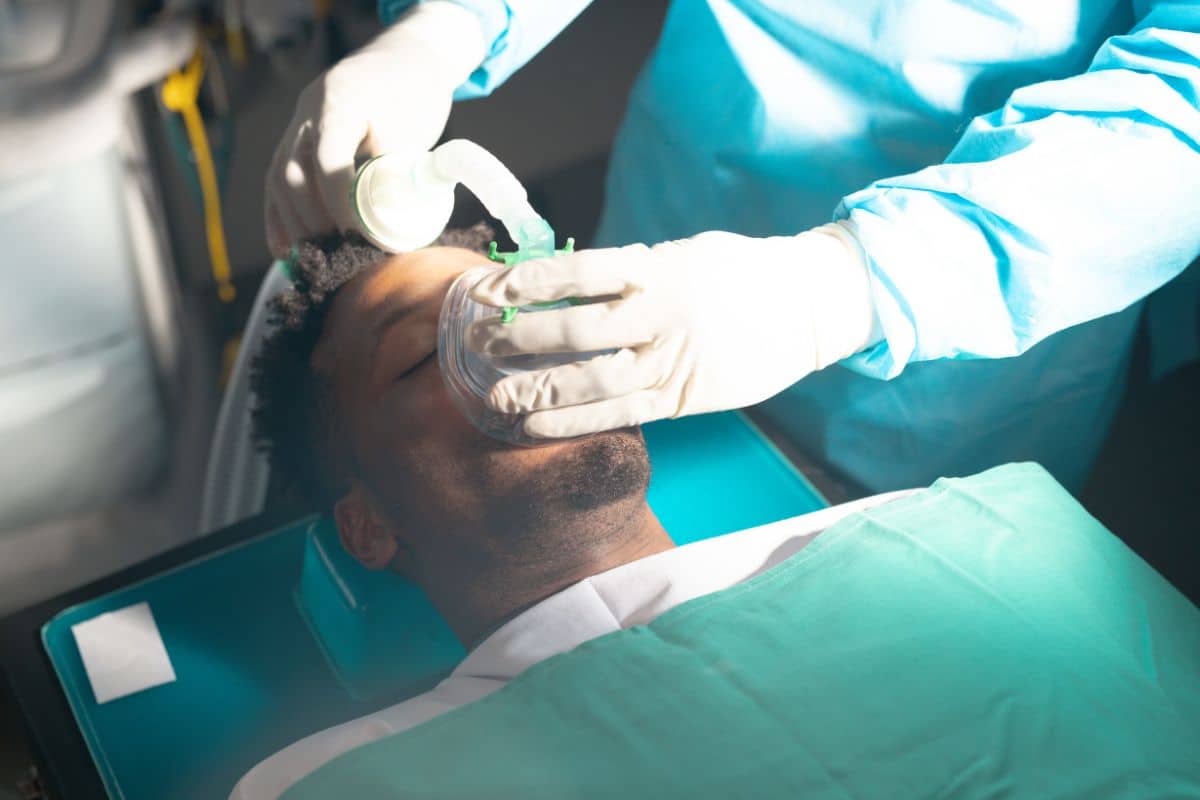
- Nitrous oxide (“laughing gas”) or oral sedation if needed
- Extra time and a calm, child-friendly environment
If you’re searching for experienced pediatric dentists who understand complex or special-needs cases, our caring professionals are here to help. Our pediatric team follows the highest standards in dental pediatrics, ensuring your child feels safe and supported during every visit.
Conclusion
Healthy smiles start early — and consistent care makes all the difference. Whether you’re dealing with pediatric dental problems, baby teeth issues, or need guidance on how to treat cavities in baby teeth naturally, we’re here to help every step of the way.
Call Melissa Dental & Orthodontics in Melissa, TX, today or book online for preventive care, pediatric dental treatment, or same-day emergency visits. Let’s keep your child’s smile bright, healthy, and confident!
FAQs
Q. When should my child first see a dentist?
A: By the time the first tooth erupts or by age 1 (AAPD guideline).
Q. Are pacifiers worse than thumb-sucking?
A: Not necessarily — both can affect teeth if the habit continues beyond age 4–5.
Q. Can baby tooth cavities be ignored since they fall out?
A: No. Untreated decay in baby teeth problems and solutions can affect permanent teeth development.
Q. What’s the best way to prevent cavities naturally?
A: Limit sugary snacks, encourage water over juice, and brush twice daily.
Q. What are the most common dental public health issues in pediatric dentistry?
A: Cavities, poor oral hygiene habits, and lack of regular checkups are top concerns.
Q. What if my child fears the dentist?
A: Choose a friendly pediatric dentist who offers gentle care and sedation options if needed.
Q. How often should my child visit the dentist?
A: Every six months, or more often for kids with high cavity risk.
Q. What’s the right age for orthodontic screening?
A: Around age 7, according to the AAPD.