Veneers vs. dental implants—how do you know which treatment is right for you?
The short answer: it depends on what problem you’re solving. Veneers focus on cosmetic improvement, while implants replace missing teeth at the root level. In this guide, you’ll learn the real differences between veneers and implants, who each option is best for, costs in a Melissa, TX context, and how to make a confident decision with the help of a trusted dentist.
This guide is designed for patients researching treatment options at Melissa Dental & Orthodontics, and it walks you through everything you need to know—step by step—before booking a consultation.
Why Understanding Veneers vs Implants Matters
Choosing between veneers vs. implants isn’t just about appearance—it affects your oral health, long-term maintenance, and overall investment.
- Veneers improve the look of existing teeth
- Implants replace missing teeth entirely
- The wrong choice can lead to unnecessary costs or future procedures
This article explains implants vs. veneers clearly, using real clinical considerations and localized insights for Melissa residents.
What Are Dental Veneers?
A veneer in dentistry is a thin, custom-made shell bonded to the front of a tooth to improve its appearance. Each veneer tooth is designed to match your natural smile in color, shape, and size.
Common Cosmetic Concerns Veneers Solve
- Chipped or cracked teeth
- Discoloration that whitening can’t fix
- Gaps and minor misalignment
- Worn or uneven teeth
The veneering of teeth is a popular cosmetic solution for patients seeking fast, noticeable results. Today, dental veneers are widely used in modern dentistry for smile makeovers.
In Melissa, cosmetic procedures like veneers and dental treatments are commonly requested by adults preparing for weddings, career milestones, or confidence-focused transformations.
Types of Veneers
Porcelain Veneers
- Highly durable and stain-resistant
- Natural, enamel-like appearance
- Long lifespan with proper care
Composite Veneers
A composite veneer is crafted using tooth-colored resin applied directly to the tooth. These are also known as composite resin veneers and are a popular option for patients seeking affordability and quicker results.
Composite veneers offer:
- Same-day treatment in many cases
- Lower upfront cost
- Easier repairs if damaged
Both porcelain and composite options fall under dental veneers and teeth solutions and are commonly used when veneering teeth for cosmetic enhancement.
What Are Dental Implants?
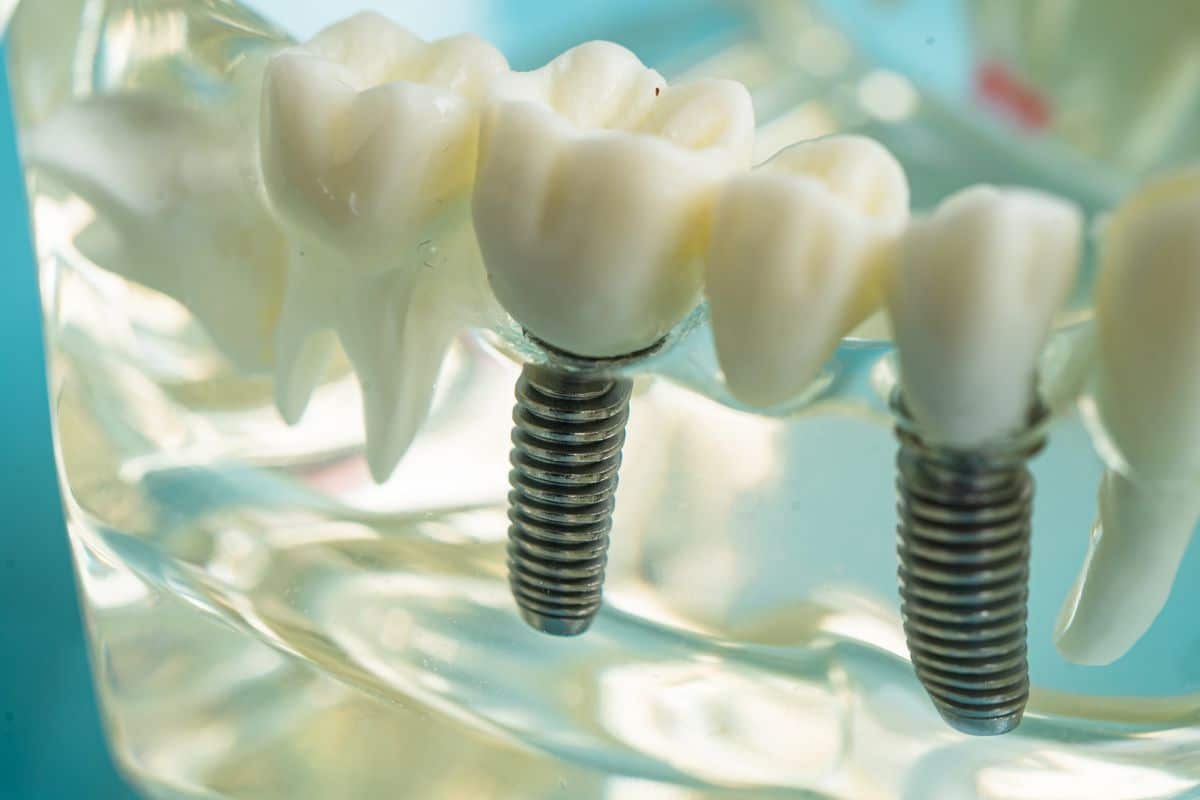
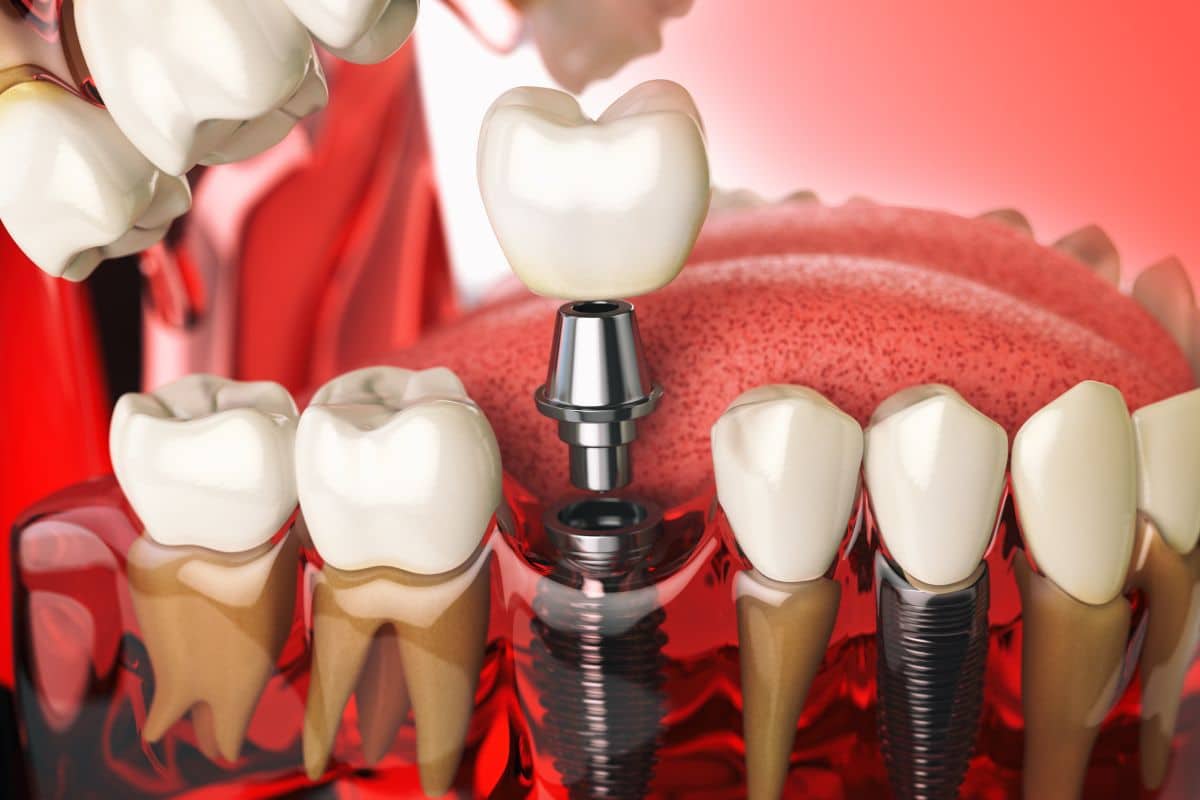
Dental implants are permanent tooth replacements that restore both the root and crown of a missing tooth.
How Implants Differ from Veneers
- Implants replace missing teeth; veneers do not
- Implants are surgically placed into the jawbone
- Veneers require existing tooth structure
When comparing veneers vs. dental implants, implants are the gold standard for functionality, while veneers excel in aesthetics.
Basic Implant Anatomy
- Titanium implant post (acts as root)
- Abutment (connector)
- Custom crown (visible tooth)
Who Is a Good Candidate?
Veneer Candidates
- Healthy teeth with cosmetic concerns
- No significant decay or gum disease
- Want fast cosmetic improvement
Implant Candidates
- One or more missing teeth
- Adequate jawbone density
- Good overall oral and general health
A local Melissa evaluation with a qualified dentist is essential to determine whether veneers vs. implants make sense for your smile goals.
Procedure & Timeline: Veneers vs. Implants
| Aspect | Veneers Process | Implant Process |
|---|---|---|
| Initial Consultation | Consultation and smile design to assess aesthetics, shade, and alignment | Consultation with clinical exam and advanced imaging to assess bone and oral health |
| Tooth Preparation | Minimal tooth preparation to allow proper fit of the veneer | Surgical placement of the implant into the jawbone |
| Treatment Phase | Bonding and polishing of veneers for a natural finish | Healing and osseointegration (implant fuses with the jawbone) |
| Final Restoration | Completed once veneers are bonded and adjusted | Final crown placement after full healing |
| Total Timeline | Usually completed within 1–2 visits, especially with composite veneer options | Ideal for improving the appearance of existing teeth |
| Key Benefit | Fast cosmetic transformation with minimal invasiveness | Long-term stability and full tooth replacement |
| Decision Factor | Ideal for improving appearance of existing teeth | Completed once the veneers are bonded and adjusted |
Longevity & Maintenance
Veneers
- Average lifespan: 7–15 years
- Avoid biting hard objects
- Maintain good oral hygiene
Implants
- It can last decades with proper care
- Brush, floss, and attend regular checkups
In terms of durability, veneers vs. dental implants often come down to cosmetic longevity versus structural permanence.
Pros & Cons: Veneers vs. Implants
| Feature | Veneers | Implants |
|---|---|---|
| Purpose | Cosmetic | Functional + cosmetic |
| Invasiveness | Minimal | Surgical |
| Recovery | Short | Longer |
| Durability | Moderate | Long-term |
| Cost | Lower upfront | Higher upfront |
What To Choose When in Melissa?
Choosing between veneers vs. dental implants depends on your oral health, cosmetic goals, and long-term expectations. Veneers are ideal for transforming the appearance of healthy teeth, while implants provide a permanent solution for missing teeth.
If you’re unsure whether veneers vs. implants are right for you, the best next step is a personalized consultation. Schedule an appointment with Melissa Dental & Orthodontics today to explore your options, receive expert guidance, and take the first step toward a confident, healthy smile.
FAQs
Q. Can veneers replace missing teeth?
A: No. Veneer dentistry requires an existing tooth. Missing teeth require implants.
Q. Will insurance cover implants?
A: Sometimes, especially if tooth loss affects function. Ask your dentist for details.
Q. What happens if a veneer chips?
A: Minor chips in composite resin veneers are often repairable. Porcelain may require replacement.
Q. Which is better, implants or veneers?
A: Veneers improve the look of healthy teeth by correcting chips, stains, or gaps, while implants replace missing or damaged teeth entirely. Veneers offer a quick, non-surgical cosmetic fix, whereas implants provide a permanent, functional solution for more serious dental issues.
Q. Are teeth rotting under veneers?
A: Yes, teeth can decay under veneers if oral hygiene is poor or the veneer doesn’t seal properly. Decay usually starts at the edges and may cause sensitivity or pain, requiring dental treatment.