Did you know that undergoing gum disease treatment is one of the most crucial steps in ensuring the long-term success of dental implants?
Gum disease, also known as periodontal disease, can weaken the foundation that supports your dental implants. No matter how well mouth implants are placed, their longevity can be jeopardized if gum health is compromised.
In this article, we’ll explore the connection between periodontal disease and implants, why periodontal disease treatment is critical, and how gum disease treatment can safeguard your implant investment.
What Are Dental Implants?
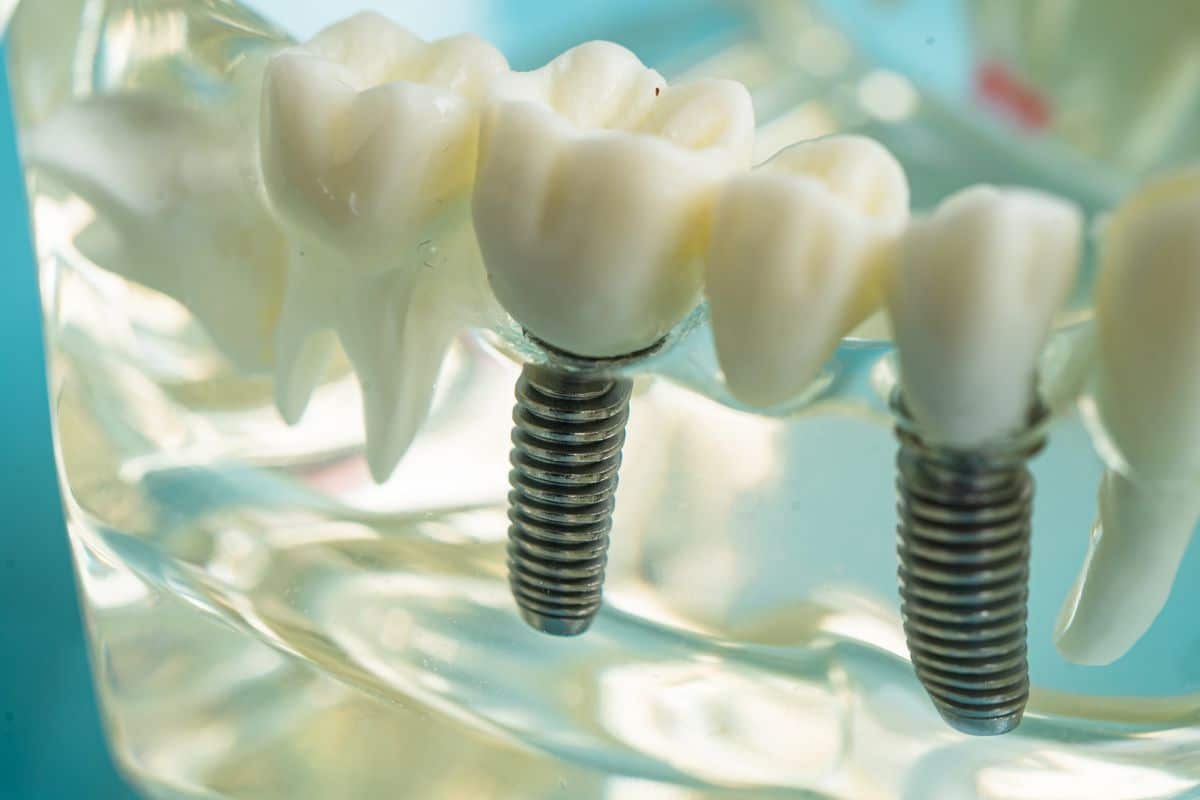
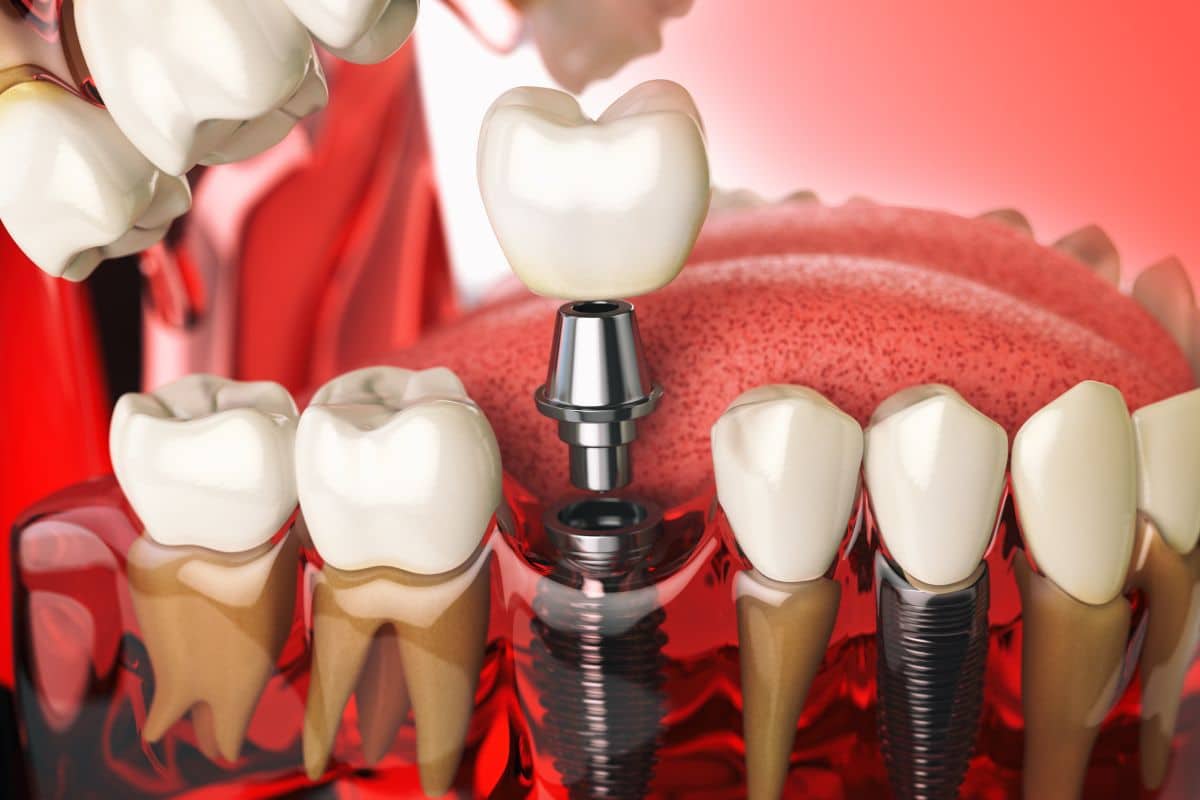
Mouth implants, also known as dental implants, are small titanium posts surgically placed into the jawbone to act as artificial tooth roots. These implants provide a stable foundation for replacement teeth, such as crowns, bridges, or dentures. For many, dental implants feel natural and offer a permanent solution for missing teeth, restoring both function and aesthetics.
But even though dental implants are durable, they are not immune to the effects of gum disease. Healthy gums are essential to support the implants and ensure they remain stable for the long term.
Understanding Gum Disease
Gum disease is an infection that damages the soft tissue and bone supporting the teeth and implants. It often starts with the buildup of plaque, a sticky film of bacteria that forms on the teeth. If not properly removed, plaque hardens into tartar, leading to inflammation and infection in the gums.
Types of Gum Disease: Gingivitis vs. Periodontitis
There are two main stages of gum disease:
- Gingivitis: The earliest stage of gum disease, characterized by red, swollen gums that may bleed easily. With proper care, this stage is reversible.
- Periodontitis: A more advanced form of gum disease that can cause gums to pull away from the teeth, creating pockets where bacteria can thrive. If left untreated, it can lead to bone loss and tooth loss—severely affecting the stability of dental implants.
Dental Implants with Periodontal Disease
Just as natural teeth need healthy gums for support, dental implants rely on the surrounding bone and gum tissue to remain stable. Periodontal disease treatment becomes essential because if gum disease progresses, it can lead to the destruction of this crucial support system.
Common Complications Due to Gum Disease
One of the major complications of untreated gum disease around dental implants is peri-implantitis, a condition that resembles periodontitis but affects the soft and hard tissues around the implant. If peri-implantitis progresses, it can cause the implant to loosen or fail entirely.
The Stages of Gum Disease
Like other medical conditions, gum disease has progressive stages, with each posing a greater risk to your implants.
Early Signs of Gum Disease
- Red, swollen, or bleeding gums during brushing or flossing
- Persistent bad breath
- Sensitivity or discomfort around the implant site
Progression to Periodontitis
If gingivitis is not treated, it can advance to periodontitis, which can severely damage the gums and the bone structure that supports your implants.
Impact of Gum Disease on Dental Implants
Gum disease can threaten the longevity of dental implants by attacking the gums and bones that support them. When periodontitis treatment is delayed, the infection can worsen, leading to the loss of the implant.
Peri-Implantitis: A Threat to Implants
Peri-implantitis is a specific form of gum disease that affects the tissues surrounding an implant. Much like periodontitis, it can lead to the destruction of the bone and gums supporting the implant, resulting in implant failure.
How Treating Gum Disease Protects Implants
The good news is that gum disease treatment can significantly reduce the risk of implant complications. By addressing gum disease early, patients can prevent further bone loss and ensure that their implants remain secure.
Importance of Early Detection
Detecting gum disease early allows for less invasive treatments, improving the chance of saving your implants. Regular dental check-ups can help catch early signs of gum disease, preventing it from progressing to more serious conditions like peri-implantitis.
Professional Treatments for Gum Disease
If gum disease has been diagnosed, several professional gum disease treatments can help restore gum health and protect your implants.
Deep Cleaning (Scaling and Root Planing)
Scaling and root planing, also known as deep cleaning, is the first line of defense against gum disease. This non-surgical procedure removes plaque and tartar from below the gumline, helping the gums heal and reducing inflammation.
Laser Treatment for Gum Disease
Laser therapy is another option for periodontitis treatment. This minimally invasive procedure uses laser energy to remove infected tissue and promote healing, often reducing recovery time.
Surgical Interventions
In more advanced cases, surgery may be required to remove diseased gum tissue and regenerate lost bone. Bone grafting procedures may also be used to restore the jawbone’s strength, ensuring that the dental implants remain secure.
At-Home Care Tips to Prevent Gum Disease
While professional treatments are crucial, at-home care is just as important in preventing gum disease and ensuring implant longevity.
Brushing and Flossing
Brushing at least twice a day and flossing daily are essential steps in maintaining gum health. These habits help remove plaque from the surfaces of teeth and implants, preventing it from hardening into tartar.
The Role of Antimicrobial Mouthwash
Using an antimicrobial mouthwash can help reduce the amount of bacteria in your mouth, lowering the risk of gum disease around implants.
Diet Considerations for Gum Health
Your diet plays a crucial role in gum health. Foods rich in vitamins, such as leafy greens, and those containing calcium can support strong bones and healthy gums, reducing the likelihood of gum disease.
Long-Term Implant Success: What to Expect
When gum disease is properly managed, dental implants can last for decades, if not a lifetime. Regular dental visits, good oral hygiene practices, and early periodontal disease treatment are key to achieving long-term success.
Signs of a Healthy Implant
- No discomfort or pain around the implant
- Healthy, pink gums
- No signs of inflammation or bleeding during oral care
The Cost of Ignoring Gum Disease
Ignoring gum disease can have severe consequences, not just for your oral health but also financially. Implant failure due to untreated gum disease often requires costly and invasive emergency dental care, including possible reimplantation or bone grafting.
Emotionally, losing a dental implant can be distressing, especially after investing time and resources in the procedure. By staying proactive about gum health, you can avoid these negative outcomes.
Conclusion
Treating gum disease is essential to the long-term success of dental implants. Whether you’re managing early signs of gum inflammation or undergoing more advanced periodontitis treatment, staying vigilant about your oral health ensures your implants remain secure for years to come.
Healthy gums aren’t just about a beautiful smile—they are the foundation of strong, stable implants. Don’t wait until it’s too late to address gum disease. Protect your implants and your investment with proper care and treatment.
FAQs
Q. Can You Get Dental Implants if You Have Gum Disease?
A: Yes, but it depends on the severity. Mild gum disease must be treated first. In advanced cases, bone or gum grafting may be needed before getting dental implants.
Q.