Teeth whitening has become one of the most sought-after cosmetic dental treatments. A bright, white smile is often associated with youth and vitality, making it a popular choice for many. But is there a point when it’s too late to start teeth whitening? In this article, we’ll explore the factors that might influence your ability to achieve that pearly white smile and when it might be best to consider alternative options.
Understanding Teeth Whitening
What is Teeth Whitening?
Teeth whitening is a process that lightens the color of your teeth by removing stains and discoloration. It can be done professionally by a local dentist or through over-the-counter products. The most common methods include in-office whitening, take-home trays, and whitening strips. Each method varies in effectiveness and the time required to see results.
Why Do People Opt for Teeth Whitening?
People choose teeth whitening for various reasons. Whether it’s to look their best for a special occasion or simply to boost confidence, a whiter smile can make a significant difference. Over time, teeth can become discolored due to aging, diet, smoking, or even certain medications, leading many to seek teeth whitening treatments.
Factors Affecting Teeth Whitening
Age Considerations
As we age, our teeth naturally become darker due to wear and tear. While teeth whitening can be effective at almost any age, younger teeth typically respond better to whitening treatments. The enamel on younger teeth is thicker and more responsive to whitening agents, making it easier to achieve noticeable results.
Dental Health
Your overall dental health plays a crucial role in the success of teeth whitening. Teeth that are heavily decayed, cracked, or damaged may not respond well to whitening treatments. In such cases, addressing these underlying issues with your local dentist before considering whitening is essential.
Types of Stains
Not all stains are created equal. Extrinsic stains, caused by food, drink, and smoking, are usually easier to remove with whitening treatments. Intrinsic stains, which are embedded within the tooth structure, may require more intensive treatments and, in some cases, may not respond to whitening at all.
Lifestyle Habits
Lifestyle habits such as smoking, drinking coffee, tea, or red wine can contribute to tooth discoloration. These habits not only stain teeth but can also affect the longevity of whitening results. Maintaining good oral hygiene and avoiding these habits can help prolong the effects of teeth whitening.
When Is It Too Late to Start Teeth Whitening?
Severe Tooth Discoloration
If your teeth have become severely discolored over time, whitening may not produce the desired results. In such cases, the stains may be too deep or too extensive to be effectively treated with standard whitening methods.
Extensive Dental Work
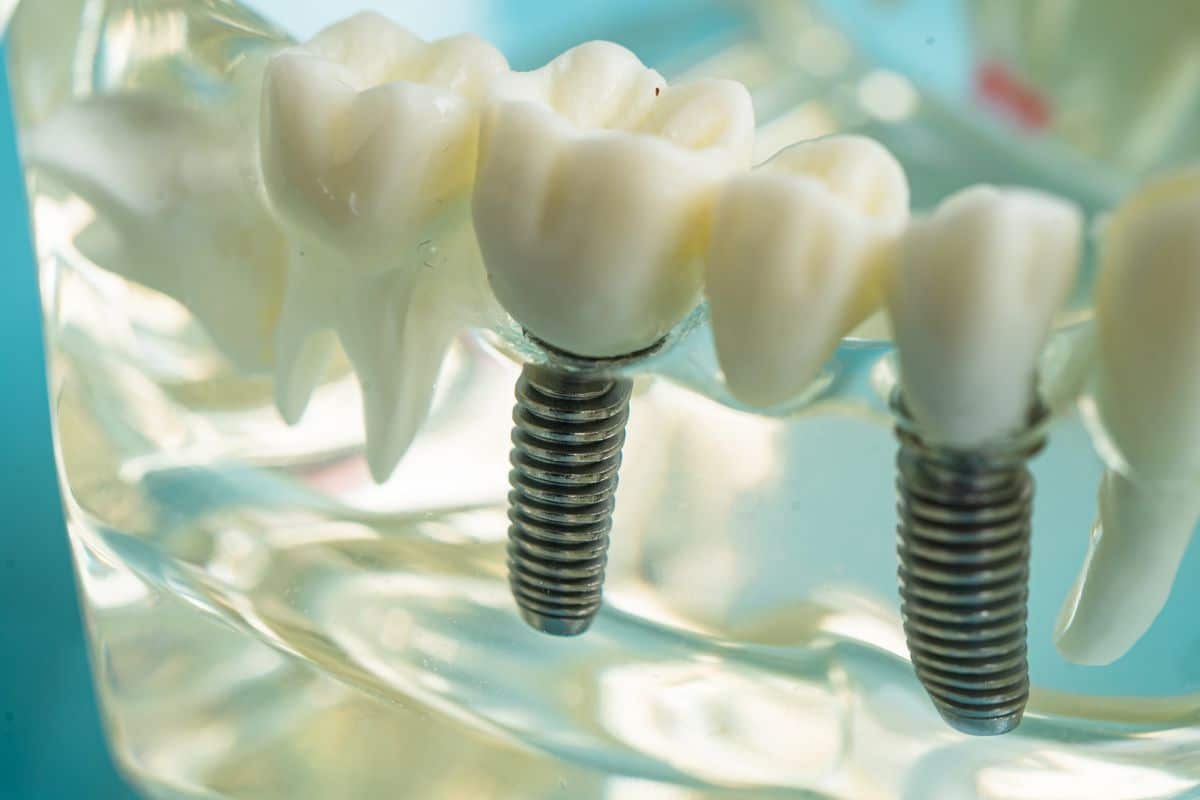
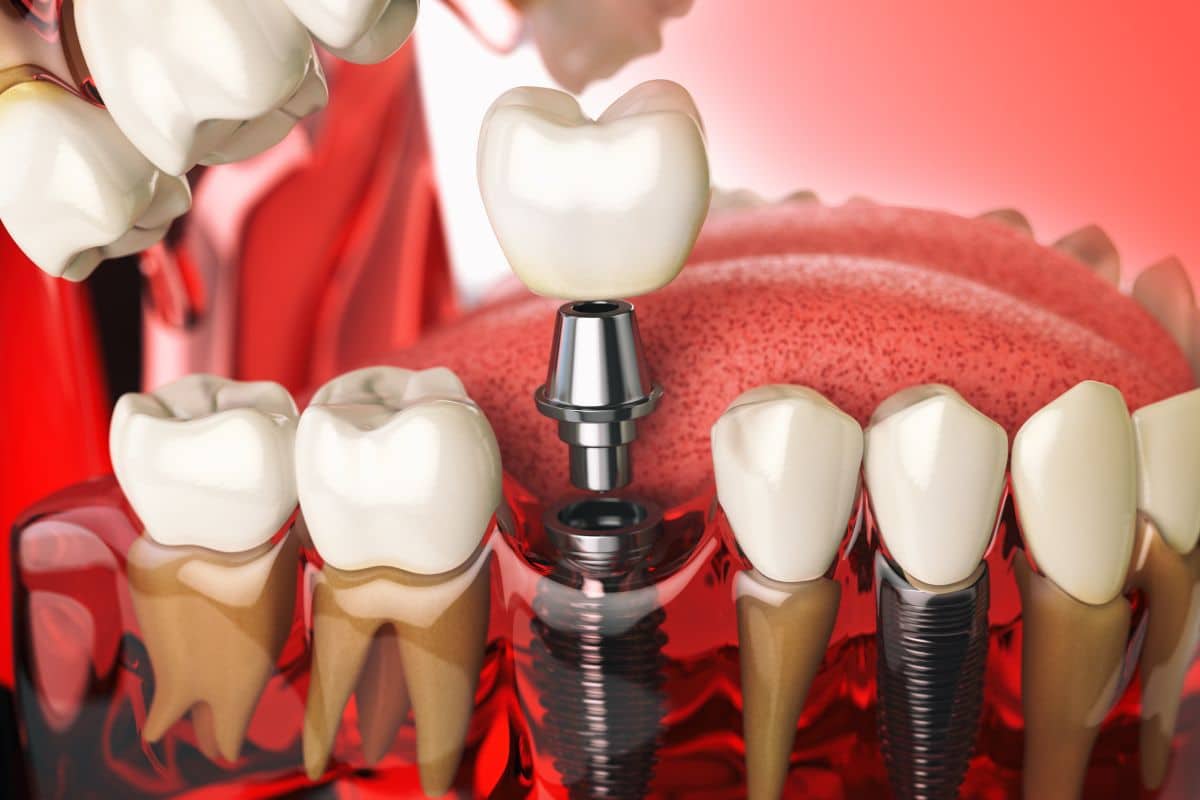
If you have crowns, veneers, or extensive fillings, teeth whitening may not be suitable for you. These materials do not respond to whitening agents the same way natural teeth do, which can result in uneven coloring. It’s important to discuss your options with your local dentist to find the best solution.
Aging and Natural Tooth Wear
As we age, the enamel on our teeth wears down, revealing the yellowish dentin beneath. This natural process can make it difficult to achieve the bright white results typically seen with younger teeth. In such cases, alternative treatments like veneers may be more effective.
Underlying Dental Issues
Before starting any whitening treatment, it’s crucial to address any underlying dental issues such as cavities, gum disease, or tooth sensitivity. Whitening can exacerbate these problems, leading to discomfort or even damage. Always consult with your dentist near you to ensure your teeth are healthy enough for whitening.
Alternative Options for a Brighter Smile
Veneers and Bonding
If teeth whitening is not an option, veneers or bonding can be an excellent alternative. These treatments can cover discoloration and give you a bright, even smile. Veneers are thin shells that cover the front surface of the teeth, while bonding involves applying a tooth-colored resin to the teeth.
Professional Dental Cleaning
Regular professional cleanings can help maintain a bright smile by removing surface stains and preventing new ones from forming. While not as dramatic as whitening, this can still make a noticeable difference in the appearance of your teeth.
The Importance of Consulting a Local Dentist
Personalized Advice
Every smile is unique, and so are the factors that affect teeth whitening. Consulting a local dentist will provide you with personalized advice on whether teeth whitening is right for you and which method will be most effective.
Choosing the Right Treatment
Your dentist can help you choose the right whitening treatment based on your specific needs, ensuring the best possible outcome. Whether it’s an in-office treatment or a take-home kit, professional guidance can make all the difference.
Emergency Dental Care and Whitening
When Whitening Should Be Postponed
In cases where emergency dental care is needed, such as with severe tooth pain or infection, whitening should be postponed. Addressing the underlying dental issue is always the priority before considering cosmetic treatments.
Balancing Aesthetics and Health
It’s essential to strike a balance between achieving the desired aesthetic results and maintaining good dental health. Always ensure that your teeth and gums are in good condition before undergoing any whitening procedures.
Maintaining Your Results
Post-Whitening Care
After whitening, it’s crucial to follow your dentist’s recommendations to maintain your results. This may include avoiding certain foods and drinks, using whitening toothpaste, and scheduling regular check-ups.
Regular Visits to the Dental Office
Regular visits to your dental office can help ensure your teeth remain healthy and your whitening results last longer. Professional cleanings and touch-ups can keep your smile bright and beautiful.
Conclusion
While teeth whitening can be an effective way to enhance your smile, there are instances when it may be too late or unsuitable. Factors such as severe discoloration, extensive dental work, or underlying health issues can affect the outcome. Consulting with a local dentist is the best way to determine if teeth whitening is right for you and to explore alternative options for achieving a bright, healthy smile.