You may have heard of root canals, but have you ever heard of endodontic retreatment? It’s a dental procedure often necessary when a previous root canal fails to address an issue thoroughly. But don’t worry; it’s not as scary as it sounds! In this blog post, we’ll break down the basics of endodontic retreatment and help you understand when it might be needed. So please sit back, relax, and let’s dive into the world of endodontics!
What is Endodontic Treatment?
Endodontic treatment is a specialized dental procedure that involves the removal of root canals and other dental structures in the mouth. It often treats tooth problems, including tooth decay, gum disease, and irregular teeth.
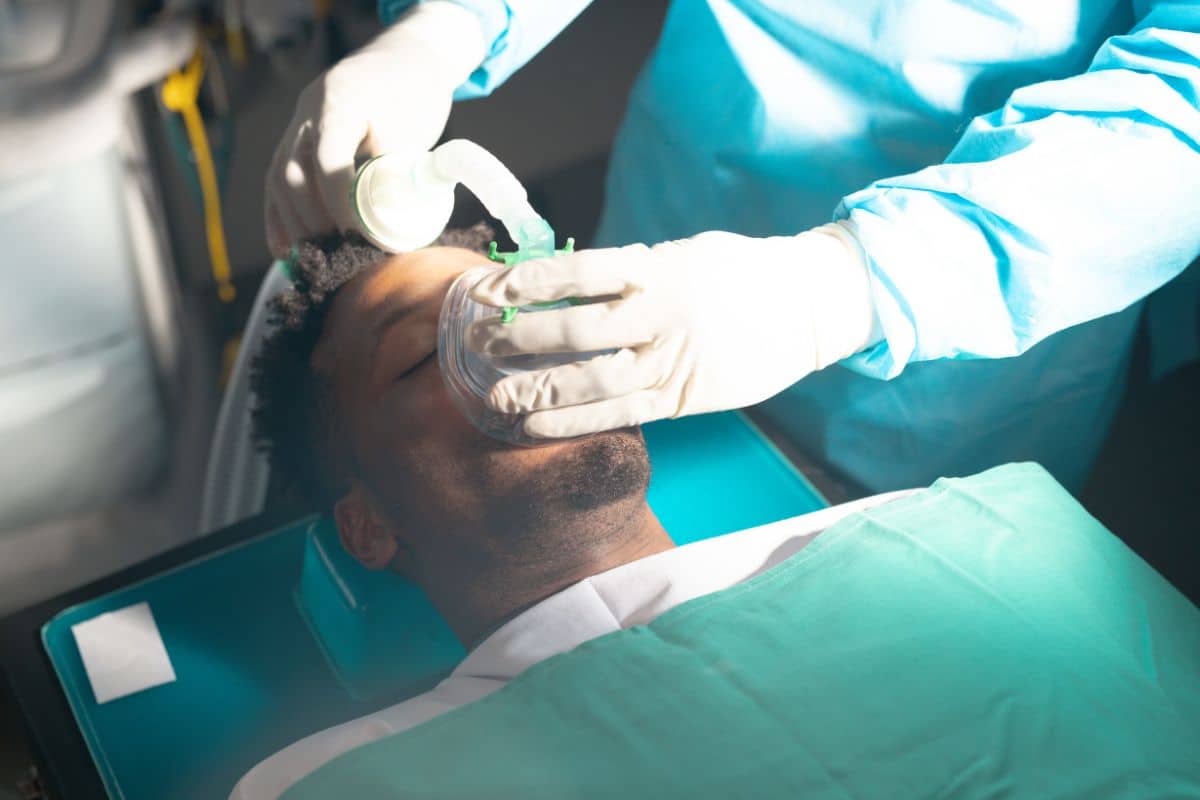
Endodontic treatment is usually needed when there are signs of damage to the tooth or its surrounding structures. Endodontic treatment may also be recommended if the tooth needs to be repaired or replaced. Treatment typically takes around two hours and may require general anesthesia.
Several types of endodontic treatments are available, each with its own benefits.
Some of the most common types of endodontic treatments include:
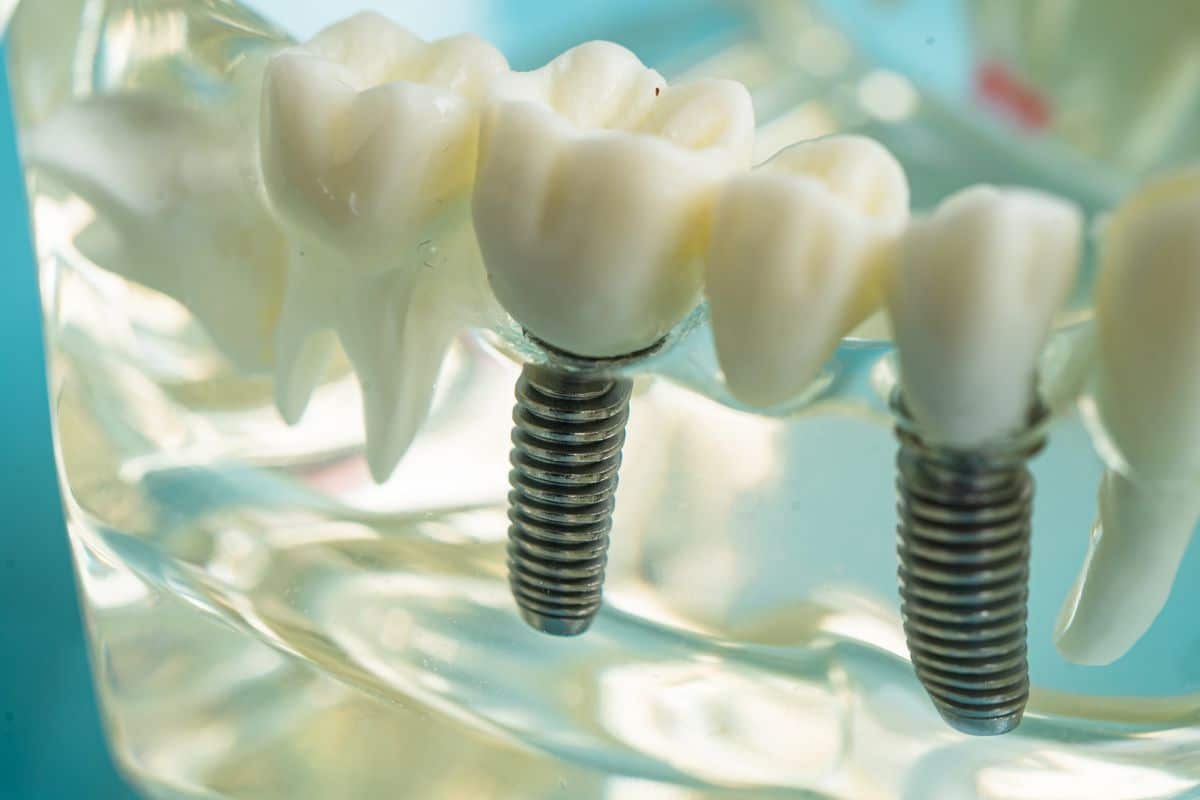
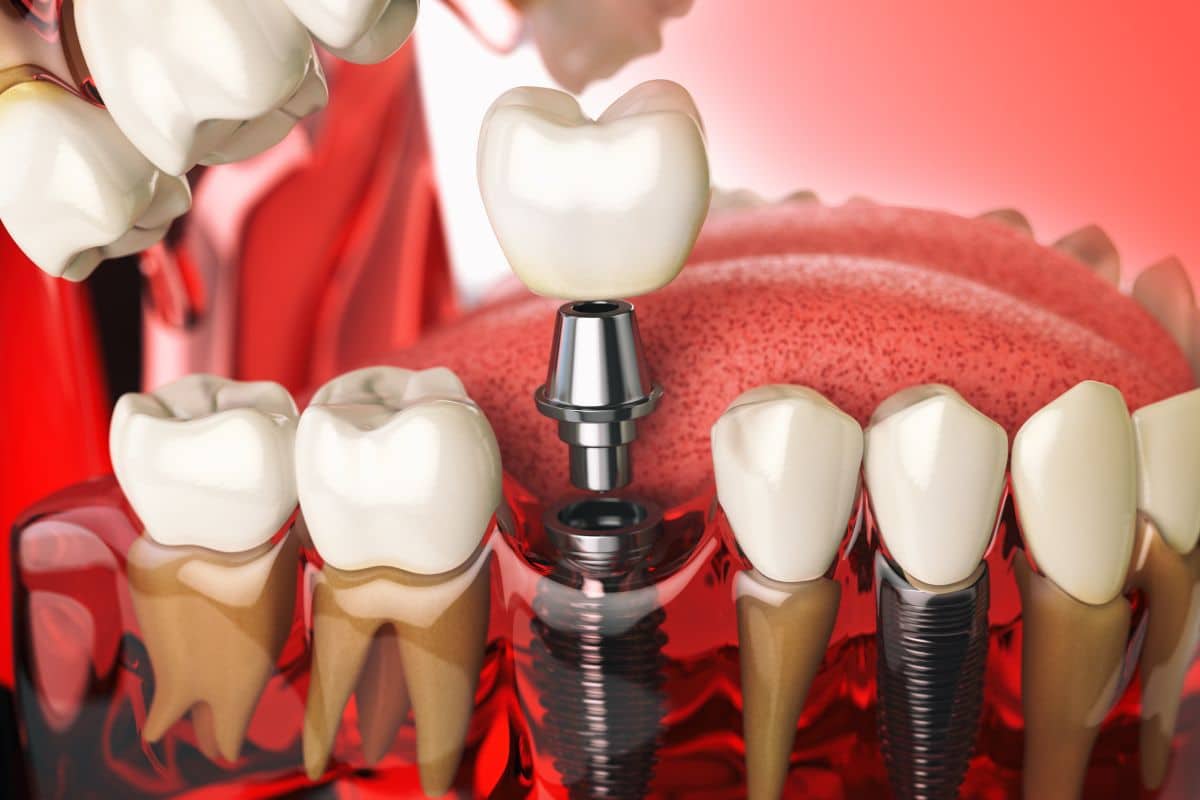
Crown restoration: Crown restoration is an endodontic treatment that restores the shape and function of a tooth’s crown. It is usually necessary after a tooth has been damaged or removed due to decay or tumor. Crown restoration involves replacing the entire crown – from the top layer of your tooth to the gum – with artificial material. This restores your tooth’s original appearance and allows it to function again.
Root canal therapy: Root canal therapy is a common type of endodontic treatment involving removing infected or damaged roots inside your teeth. The seeds can become infected if exposed to bacteria, water damage, or other factors that can cause decay.
Types of Endodontic Treatment
Endodontic treatment is a surgical procedure used to restore the healthy function of teeth and gums. There are three types of endodontic treatment: endodontic therapy, root canal therapy, and endodontic retreatment.
Endodontic therapy is the most common type of endodontic treatment. This treatment involves removing the infected tooth and restoring the surrounding dentin and pulp tissue with a restoration (i.e., a filling). Root canal therapy is less standard than endodontic therapy but is also essential to endodontics. This treatment involves surgically drilling into the infected tooth and removing all or part of the root canal system. Endodontic retreatment is a rare type of endodontic treatment that consists of re-establishing periodontics dental support around an infected tooth removed through surgery.
How Is Endodontic Treatment Used?
Endodontic treatment is used to clean and remove the roots of teeth. It is a surgical procedure that uses special instruments to access and remove the root canal system. Endodontic treatment is necessary for many teeth, but it is crucial for teeth that are difficult to clean or damaged by tooth decay or injury.
When Do You Need to Have Endodontic Treatment?
Endodontic treatment is a dental procedure that helps to fix tooth issues like broken teeth, roots that have grown out of the tooth, and overcrowded teeth. This type of treatment is typically needed when problems become severe enough to cause pain or when the tooth’s health is at risk. Endodontic treatment can be done as an outpatient procedure. Still, it’s usually recommended that patients undergo a series of tests first to ensure they’re a good candidate for endodontic treatment.
Endodontic treatment aims to restore the tooth so it functions properly. The most common methods used in endodontic therapy are root canal surgery and sealant therapy. In root canal surgery, a dentist removes the damaged roots using special tools and then cleans and fills any gaps in the jawbone with dental cement. Sealant therapy involves applying a sealant to the exposed roots around the treated area. Over time, this sealant will help to strengthen and protect the root system against future decay.
Several factors can determine whether or not you need endodontic treatment: severity of your symptoms, how severely your tooth is damaged, age of your teeth, medical history, and other dental issues. If you’re considering endodontic treatment, discuss your options with your dentist.
Conclusion
Endodontic treatment can be a lifesaver for teeth in desperate need of repair. If you have any questions about the basics of endodontic treatment or would like to schedule an appointment with one of our dentists for a consultation, don’t hesitate to call us today. We would happily answer any questions and help put you on the path to dental health and restoration.