Tooth pain can be easy to ignore at first, especially if it comes and goes. However, some dental symptoms may indicate a deeper problem inside the tooth that requires professional care. Recognizing the signs you need a root canal can help prevent severe pain, infection, and even tooth loss.
If you’re experiencing persistent tooth discomfort in Melissa, Texas, understanding the warning signs can help you seek treatment before the condition worsens. At Melissa Dental & Orthodontics, we help patients protect their natural teeth with timely and effective dental care.
Quick Answer
A root canal may be needed when the soft tissue inside a tooth, called the pulp, becomes infected or inflamed. Common signs include persistent tooth pain, sensitivity to hot or cold temperatures, swollen gums, tooth discoloration, and pain when chewing. Early treatment can often save the affected tooth and prevent further complications.
What Is a Root Canal Treatment?
A root canal is a dental procedure used to remove infected or damaged pulp from inside a tooth. Patients seeking root canal treatment in Melissa can benefit from early diagnosis and modern treatment techniques that help preserve natural teeth. After cleaning and disinfecting the root canals, the tooth is sealed and usually restored with a dental crown for strength and protection. After cleaning and disinfecting the root canals, the tooth is sealed and usually restored with a dental crown for strength and protection.
Modern root canal procedures are designed to relieve pain not cause it. If you’d like a deeper understanding of the procedure, recovery, and common misconceptions, read our guide on everything you should know about root canals. With today’s advanced techniques and local anesthesia, most patients report that the experience feels similar to receiving a dental filling.
Common Signs You Need a Root Canal
Persistent Tooth Pain
One of the most common signs of a serious tooth infection is ongoing pain that doesn’t go away.
You may experience:
- Constant aching pain
- Sharp pain when biting down
- Pain that radiates to the jaw, ear, or surrounding teeth
- Discomfort that worsens over time
Persistent tooth pain often indicates inflammation or infection inside the tooth’s pulp.
Sensitivity to Hot and Cold
It’s normal to feel brief sensitivity when consuming hot coffee or cold ice cream. However, prolonged sensitivity may signal a deeper issue.
Warning signs include:
- Pain that lingers after the temperature stimulus is removed
- Sudden sharp sensations
- Increased sensitivity over time
When the pulp becomes damaged, the nerves inside the tooth can react strongly to temperature changes.
Swollen or Tender Gums
Infected teeth can cause inflammation in the surrounding gum tissue.
You may notice:
- Swelling near a specific tooth
- Tenderness when touching the gums
- A small pimple-like bump on the gum
- Occasional drainage or unpleasant taste
These symptoms may indicate that an infection has spread beyond the tooth.
Tooth Discoloration
A tooth that suddenly becomes darker than neighboring teeth may require evaluation.
Gray, brown, or dark yellow discoloration can occur when the tooth’s internal tissue becomes damaged or loses its blood supply. While not every discolored tooth needs root canal therapy, it is a symptom that should not be ignored.
Pain When Chewing or Biting
If biting down causes discomfort, the tissues surrounding the tooth’s root may be inflamed.
Patients often describe:
- Pressure sensitivity
- Sharp pain when chewing
- Difficulty eating certain foods
This symptom can indicate infection affecting the tooth’s root structures.
Cracked or Chipped Tooth
A cracked or broken tooth can allow bacteria to enter the pulp chamber.
Even if the crack seems minor, bacteria can reach the inner portion of the tooth and lead to infection. Prompt dental treatment may help prevent the need for more extensive procedures.
What Causes a Tooth to Need a Root Canal?
Several dental issues can damage the pulp inside a tooth, including:
- Deep tooth decay
- Untreated cavities
- Dental trauma or injury
- Large fillings that weaken the tooth
- Repeated dental procedures on the same tooth
- Cracks or fractures
Regular dental exams can often detect these problems before they progress.
What Happens During Root Canal Treatment?
Many patients feel nervous when they hear the words “root canal,” but understanding the process can ease anxiety.
Step 1: Examination and Diagnosis
Your dentist will examine the tooth and may take digital X-rays to determine the extent of the infection.
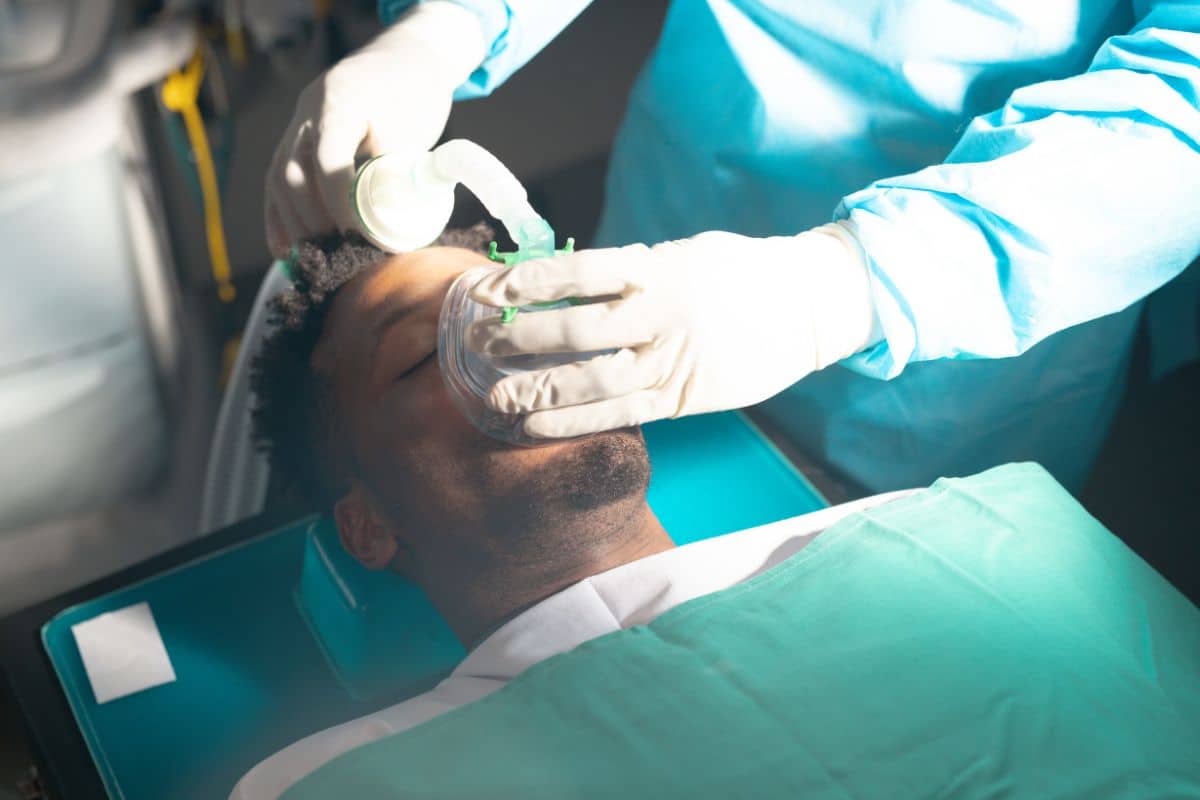
Step 2: Local Anesthesia
The area is numbed to ensure comfort during treatment.
Step 3: Removal of Infected Tissue
The infected pulp is carefully removed from the tooth.
Step 4: Cleaning and Sealing
The root canals are cleaned, disinfected, and sealed to prevent reinfection.
Step 5: Tooth Restoration
In many cases, a custom dental crown is placed to restore strength and function.
What Are the Risks of Delaying Treatment?
Ignoring the signs you need a root canal can lead to more serious dental problems.
Potential risks include:
- Severe tooth pain
- Spread of infection
- Gum swelling and abscess formation
- Bone loss around the tooth
- Tooth extraction
Seeking prompt treatment often allows patients to save their natural teeth and avoid more complex procedures.
Root Canal Treatment in Melissa: What About Cost?
The cost of root canal treatment varies depending on factors such as:
- The location of the tooth
- Complexity of the case
- Need for a dental crown
- Insurance coverage
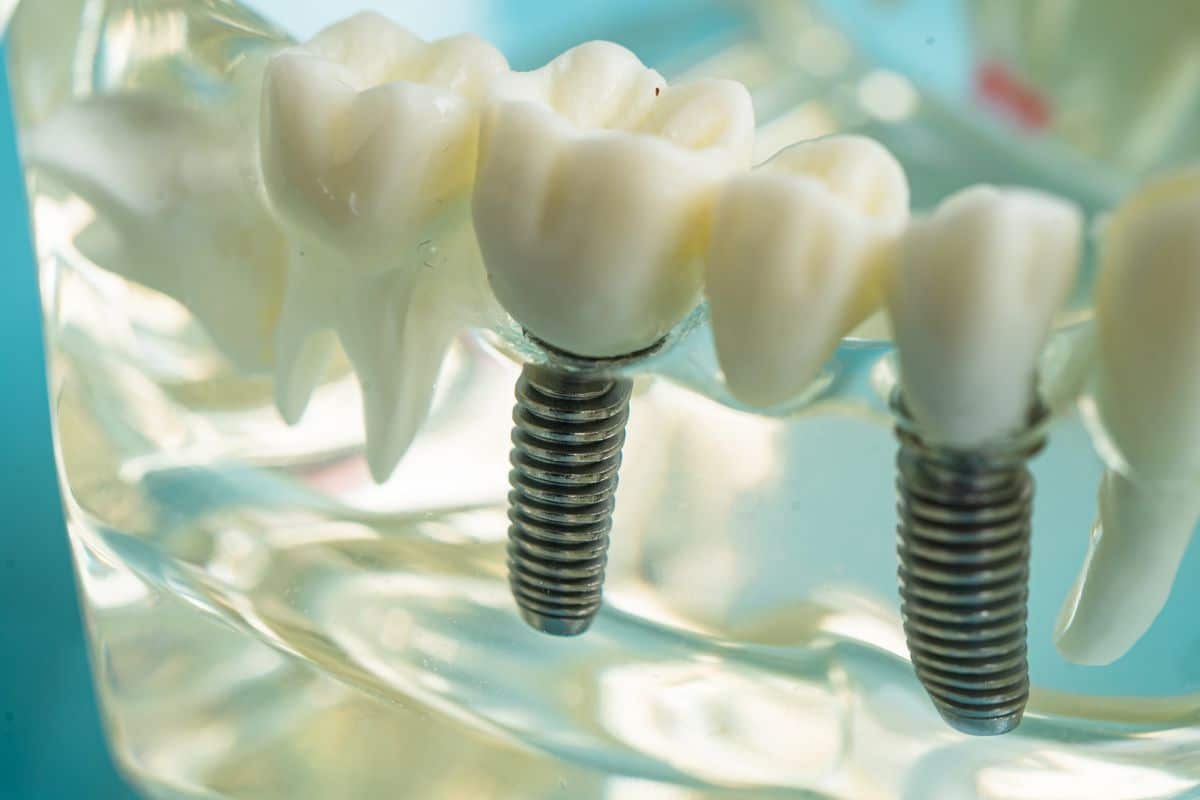
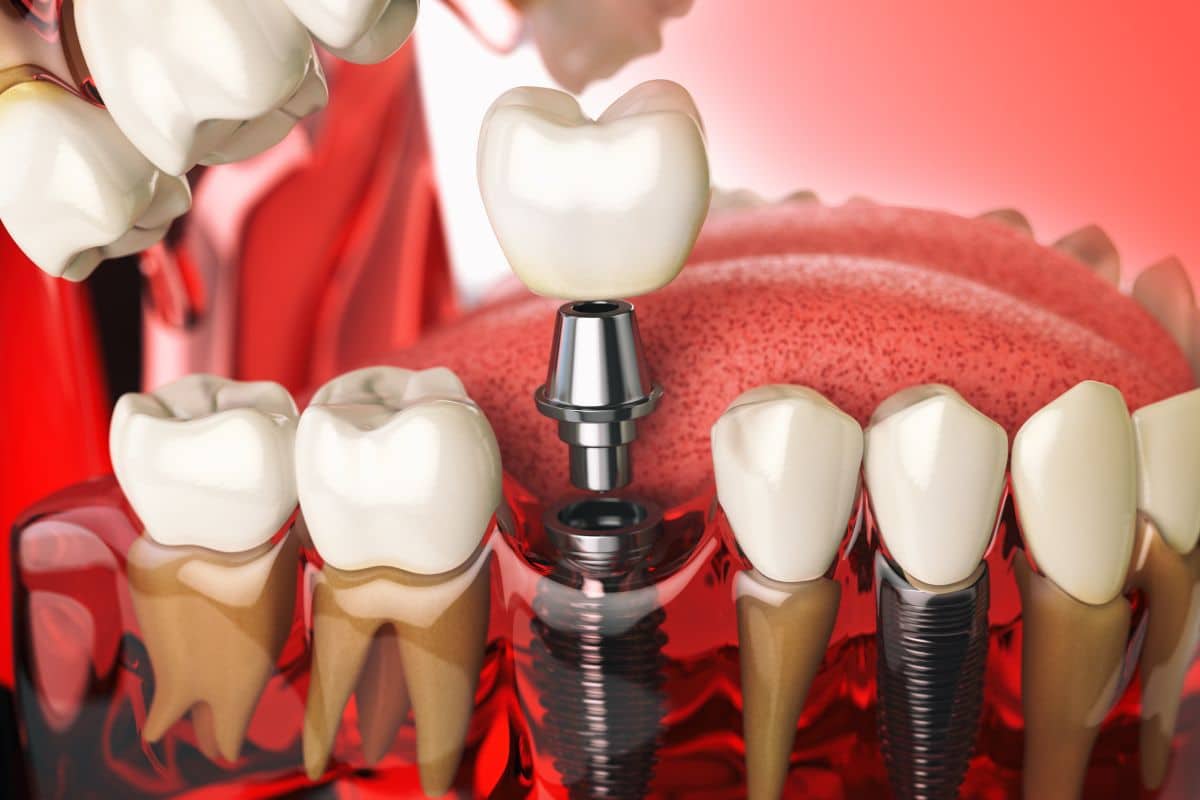
While treatment costs vary, preserving a natural tooth is often more cost-effective than extraction followed by tooth replacement options like implants or bridges.
The best way to obtain accurate pricing is through a personalized dental examination.
Aftercare Tips Following a Root Canal
Most patients recover quickly after treatment.
Helpful aftercare tips include:
- Avoid chewing on the treated tooth until fully restored
- Practice good oral hygiene
- Brush and floss daily
- Attend follow-up appointments
- Take prescribed medications as directed
With proper care, a root canal-treated tooth can last for many years.
Why Melissa Dental & Orthodontics in Melissa
Choosing the right dental provider is an important part of protecting your oral health.
At Melissa Dental & Orthodontics, patients receive personalized care from a team dedicated to helping families throughout Melissa and surrounding communities maintain healthy smiles.
Our practice offers:
- Comprehensive dental evaluations
- Advanced diagnostic technology
- Comfortable treatment options
- Patient-focused care plans
- A welcoming environment for individuals and families
Whether you’re experiencing tooth pain or need a professional evaluation, our team is committed to providing quality dental care close to home in Melissa, Texas.
See What Local Patients Are Saying
Want to stay updated with the latest dental tips, office announcements, and patient success stories? Explore our Melissa dental office reviews and patient updates to see recent feedback from local patients, office news, and learn more about the dental care experience offered by Melissa Dental & Orthodontics.
Frequently Asked Questions
How do I know if I need a root canal or a filling?
Can a tooth heal without a root canal?
Is root canal treatment painful?
How long does a root canal take?
Can I drive home after a root canal?
How long does a root canal-treated tooth last?
Conclusion
Recognizing the signs you need a root canal can help you address dental problems before they become more serious. Persistent tooth pain, sensitivity, swelling, discoloration, and discomfort when chewing should never be ignored.
If you’re experiencing symptoms that may indicate the need for root canal treatment in Melissa, the team at Melissa Dental & Orthodontics is here to help. Early diagnosis and treatment can protect your oral health, relieve discomfort, and help preserve your natural smile.
Call +1 (469) 919-5605 today to schedule an appointment and receive personalized dental care in Melissa, Texas.