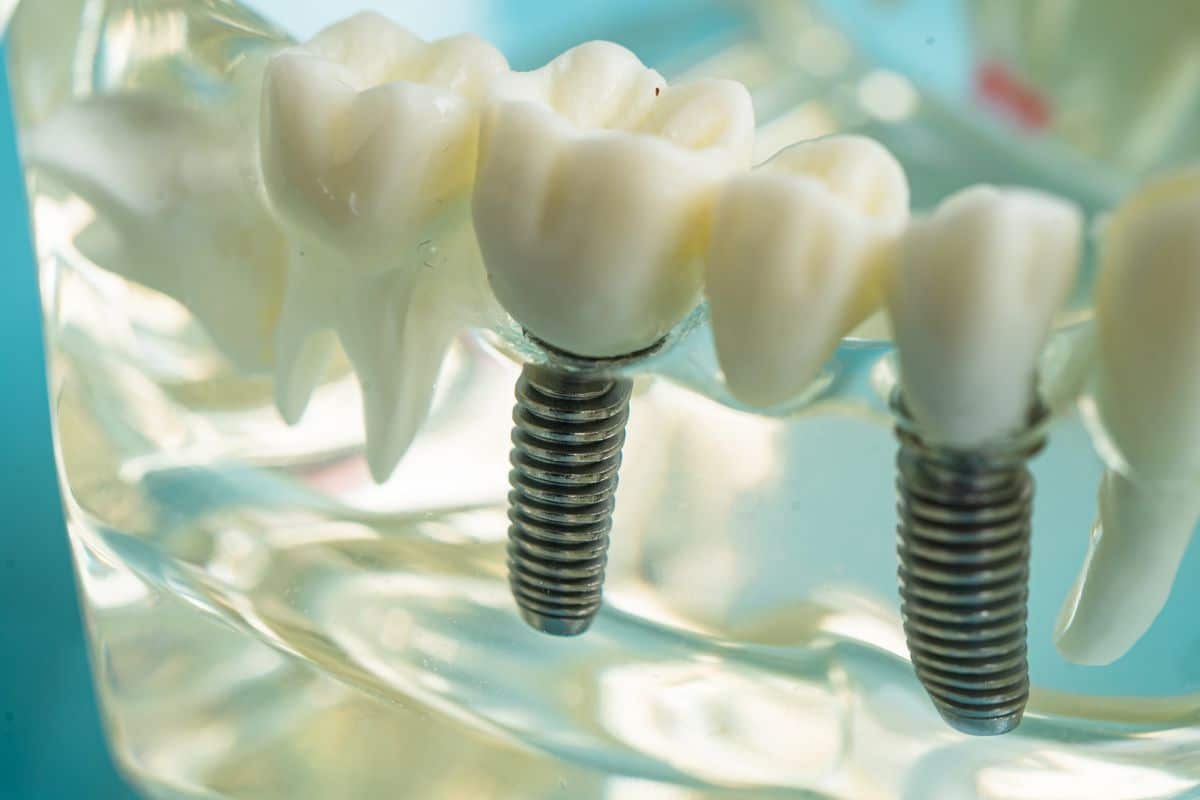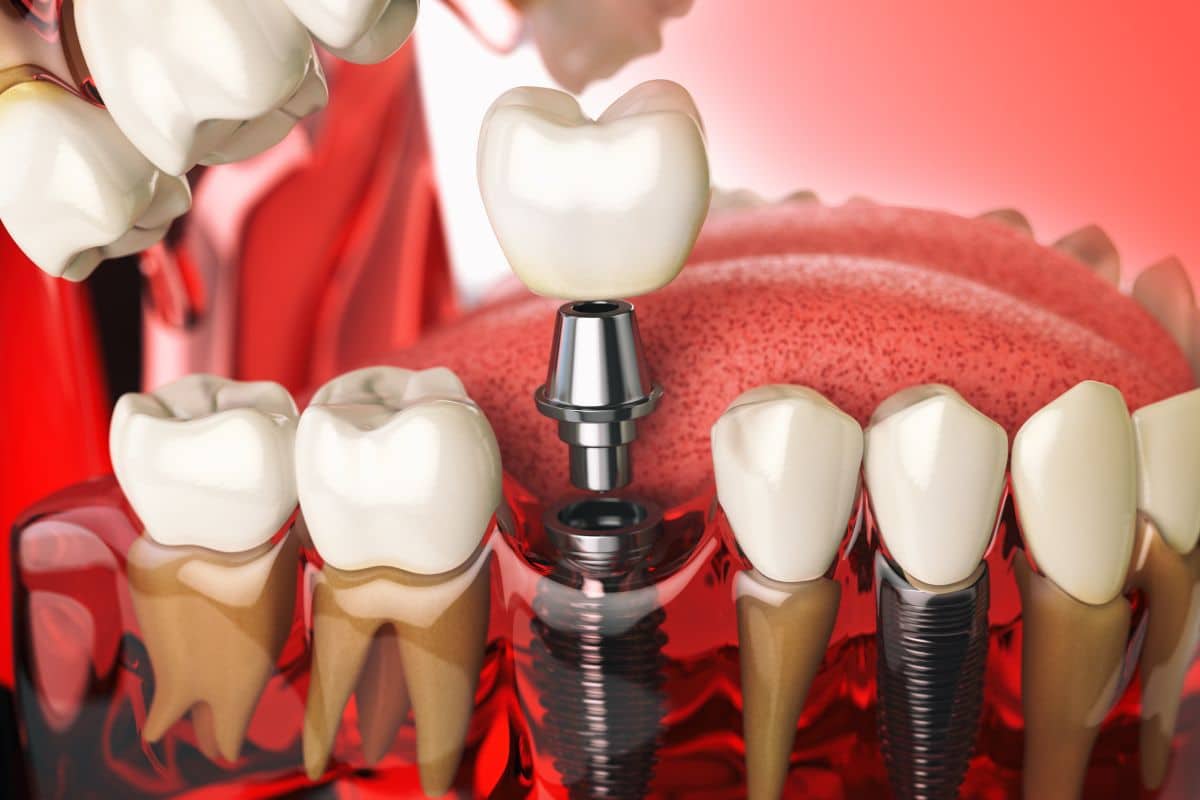
Dental implants are a fantastic solution for replacing missing teeth, offering both functional and aesthetic benefits. However, one significant concern that patients may face is bone loss around these implants. So, how can you fix bone loss around dental implants? In this article, we’ll dive into the causes, treatments, and ways to prevent bone loss around dental implants to ensure your smile remains strong and healthy.
What Causes Bone Loss Around Dental Implants?
Bone loss around dental implants can occur due to various reasons. Some of the most common causes of dental implant bone loss:
- Poor Oral Hygiene: Failing to maintain good oral hygiene can lead to plaque buildup and gum disease, which may result in bone loss around implants.
- Peri-implantitis: This is a condition similar to gum disease but affects the tissue around dental implants, causing inflammation and eventual bone loss.
- Lack of Sufficient Bone Before Implant Placement: If there wasn’t enough bone at the implant site initially, it could lead to future bone loss.
- Other Factors: Smoking, aging, and certain medical conditions like diabetes can also contribute to bone loss around implants.
Signs and Symptoms of Bone Loss Around Dental Implants
You may notice several warning signs if you’re experiencing dental implant bone loss:
- Loosening of the Implant: A stable implant should feel like a natural tooth, so any movement could indicate bone loss.
- Gum Recession: When the bone starts to recede, your gums may follow, creating gaps around the implant.
- Discomfort or Pain: While dental implants usually don’t cause discomfort, bone loss can lead to pain in the affected area.
- Visible Bone Exposure: In severe cases, the bone might become visible through the gums as they recede.
Why Is Bone Loss Around Implants a Concern?
Bone loss around implant treatment is concerning for several reasons:
- Impact on Implant Stability: Bone is crucial for holding the implant in place. If bone loss occurs, it can lead to the implant becoming loose.
- Long-Term Health Implications: If not treated, bone loss can spread and affect neighboring teeth or implants.
- Cosmetic Issues: Bone loss can change the appearance of your gums and smile, leading to aesthetic concerns.
Diagnosis of Bone Loss Around Dental Implants
To confirm bone loss around dental implants, your dentist or periodontist will likely use the following diagnostic tools:
- Physical Examination: A simple examination can often reveal signs of bone loss or gum recession.
- X-rays and 3D Imaging: These allow the dentist to view the bone structure in detail and assess the extent of bone loss.
- Periodontal Probing: This is a method used to measure the space between your gums and teeth, which can indicate bone recession.
Treatment Options for Bone Loss Around Dental Implants
Fortunately, there are several ways to address bone loss around implant treatment:
Non-surgical Treatments for Bone Loss Around Implant
- Improved Oral Hygiene: If bone loss is minimal, improved oral care practices, such as proper brushing and flossing, may prevent further damage.
- Antibiotics and Antimicrobial Therapy: These can help control infections and reduce inflammation around the implant, slowing bone loss.
Surgical Treatments for Bone Loss Around Implant
- Bone Grafting: This procedure adds bone material to the affected area, allowing the body to regenerate the lost bone.
- Guided Bone Regeneration (GBR): A technique that uses a membrane to encourage natural bone regrowth.
- Soft Tissue Grafting: If gum recession has occurred, this procedure can restore the gum tissue around the implant.
- Sinus Lift: In cases where bone loss occurs near the upper jaw, a sinus lift might be necessary to create space for a bone graft.
Bone Grafting: A Key Solution
Bone grafting is one of the most common treatments for bone loss around dental implants. This procedure involves transplanting bone tissue to the affected area to promote bone growth.
- Different Types of Bone Grafts:
- Autograft: Bone taken from the patient’s own body.
- Allograft: Bone sourced from a donor.
- Xenograft: Bone from an animal source, typically bovine.
The choice of graft depends on the patient’s situation, but all serve the purpose of rebuilding the lost bone.
Guided Bone Regeneration (GBR)
In some cases, Guided Bone Regeneration (GBR) can be used to facilitate bone growth. This process uses a membrane that protects the bone graft while encouraging new bone cells to regenerate in the treated area.
Soft Tissue Grafting for Gum Health
Healthy gums are essential for the long-term success of dental implants. If gum tissue is lost along with bone, soft tissue grafting can help restore the gums and provide better support for the implant.
Sinus Lifts and Their Role in Fixing Bone Loss
A sinus lift is often required if bone loss occurs in the upper jaw. This procedure lifts the sinus membrane to make room for a bone graft, ensuring sufficient bone structure for a successful implant.
Prevention of Bone Loss After Dental Implant Placement
Preventing bone loss is always better than treating it. To prevent bone loss after implant placement:
- Maintain Proper Oral Hygiene: Brush and floss regularly to prevent infections.
- Regular Dental Check-ups: Periodic visits to your dentist ensure early detection of any issues.
- Lifestyle Changes: Quit smoking and adopt a balanced diet to improve bone health.
The Role of Periodontal Maintenance
Routine periodontal maintenance is crucial for the longevity of dental implants. Regular cleanings, combined with home care, can prevent infections and future bone loss.
Success Rates After Treating Bone Loss
With timely intervention, it’s possible to restore the bone around implants and stabilize them. However, the success rate depends on factors like the extent of bone loss and the patient’s overall health.
Cost Considerations for Bone Loss Treatments
The cost of treating bone loss varies depending on the procedure. Bone grafts and sinus lifts can be expensive, but many insurance plans offer coverage for these essential treatments. Consult with your dentist to understand your options.
Conclusion
Bone loss around dental implants can be a serious issue, but it’s not the end of the road. With the right treatments and preventive measures, you can maintain your implants and enjoy a healthy smile for years to come. The key is to address bone loss early and work closely with your dentist to find the best solution for you.
FAQs
Q. What Does Dental Implant Bone Loss Feel Like?
A: Dental implant bone loss symptoms include pain, tenderness, or swelling around the implant, often accompanied by gum recession, bleeding, bad breath, or a feeling of looseness/wobbling in the implant itself.
Q. What Causes Bone Loss Around Dental Implants?
A: Bone loss around dental implants is mainly caused by peri-implantitis, an infection and inflammation similar to gum disease. Other factors include poor osseointegration (implant not fusing with bone), excessive biting forces, insufficient initial bone quality/volume, and systemic health conditions like uncontrolled diabetes or smoking.
Q. Can Bone Loss Around Implants Be Fixed?
A: Catching it early is key for a failing implant! Prompt surgical intervention, including cleaning, antibiotics, and bone regeneration, can often save the implant by stopping and even reversing bone loss.
Q. Can You Add Bone to an Existing Iimplant?
A: Bone grafts can be used to add bone where a tooth is missing, or to bolster bone around an existing tooth or implant.