Do you dread going to the dentist? Are you anxious about dental procedures or find sitting still for long periods challenging? Then, sedation dentistry may be the solution for you. In this comprehensive guide, we’ll cover everything you need to know about sedation dentistry – from what it is and how it works to the different types of sedation available and who is a good candidate. So say goodbye to dental anxiety and hello to a pain-free experience at your next appointment!
What is Sedation Dentistry?
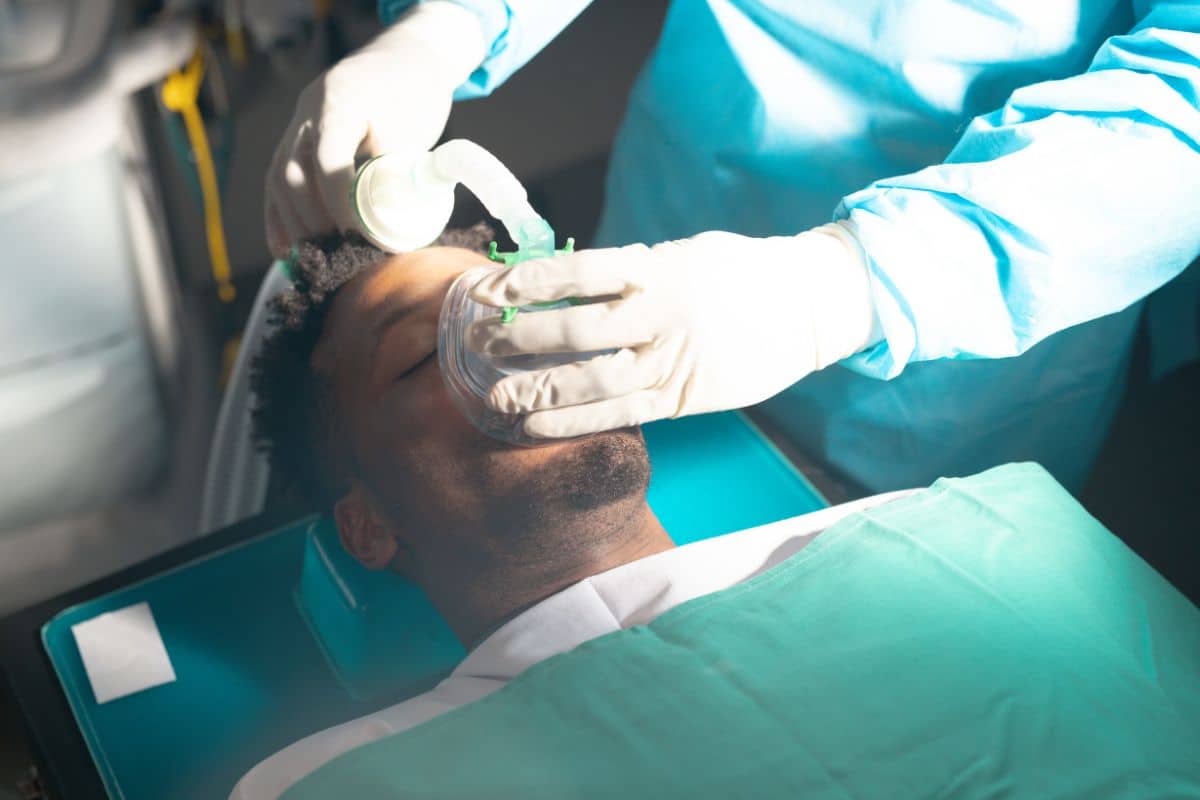
Sedation dentistry is a type of dentistry that uses drugs and devices to make patients less alert during dental procedures. The goal is to reduce stress and anxiety that can lead to pain or other problems during a dental visit.
Some common sedating medications used in dentistry include general anesthetics (such as propofol and etomidate) and nitrous oxide. Devices used in sedation dentistry include oral anesthetics (such as bupivacaine and fentanyl), sleep apnea devices, and intrathecal catheters.
There are a few things to remember when considering sedation for your dental care:
- Always discuss the benefits and risks of sedatives with your dentist.
- Be sure to let your dentist know if you have any underlying health conditions or medications that could impact how well you respond to sedatives.
- Always take caution when driving or operating heavy machinery after receiving dental care under general anesthesia or Sedation Dentistry.
Why Is Sedation Dentistry Used in Dentistry?
Sedation dentistry is an increasingly popular dental treatment option because it can provide patients with a comfortable and relaxed experience. Sedation dentistry is also an ideal treatment option for patients who are fearful or anxious about dental procedures.
Using sedatives during dental treatments allows the dentist to work more quickly and efficiently. In addition, patients typically remain unconscious during their dental treatment, which makes them more relaxed and less apprehensive about the procedure. This reduced anxiety often results in improved patient outcomes.
How Does Sedation Dentistry Work?
Sedation dentistry is a type of dental care that uses medications or other treatments to make patients feel sleepy or relaxed. This can help them feel less anxious about dental procedures and make them less likely to experience pain.
There are several different ways that sedation dentistry can work. Some dentists use general anesthetics (such as propofol) to make their patients unconscious. Others use local anesthetics, which work only in specific body areas (like the teeth). Still, others use mixed anesthetics, combining general and local anesthetics.
Once the patient is asleep, the dentist can perform any dental procedure they would typically do without anesthesia. Some standard procedures that can be done using sedation dentistry include tooth extractions, fillings, root canals, crowns, and bridges.
What Are the Benefits of Sedation Dentistry?
In Sedation Dentistry, dentists use general anesthetics (such as propofol and etomidate) to lessen anxiety and promote deep sleep. This allows the dentist to perform dental work more quickly, with less discomfort for the patient.
There are several benefits to sedation dentistry that, include:
1. Reduced Anxiety: Patients under general anesthesia typically have reduced anxiety levels, making them more relaxed and cooperative during their dental appointment.
2. Faster Dental Procedures: With reduced anxiety levels, dentists can complete dental procedures more quickly and with little pain or discomfort for their patients. This results in less time spent on treatment and a lower overall cost for the patient and the dentist.
3. Better Quality Dental Work: When patients are under general anesthesia, they are not distracted by fear or pain, allowing dentists to provide better quality dental work without worrying about damaging the teeth or causing other damage during treatment.
4. Increased Patient Safety: General anesthetics help protect patients from being awake during surgery and reduce the risk of postoperative complications such as infection or swelling in the mouth.
Conclusion
If you are considering sedation dentistry, it is essential to understand the different types of sedation and their various benefits. By choosing the right type of sedation for your specific dental needs, you can ensure a safe and comfortable dental experience. Remember that any decision to undergo sedation dentistry should be made with your dentist, who will help you determine which type of sedation would best suit your circumstances.