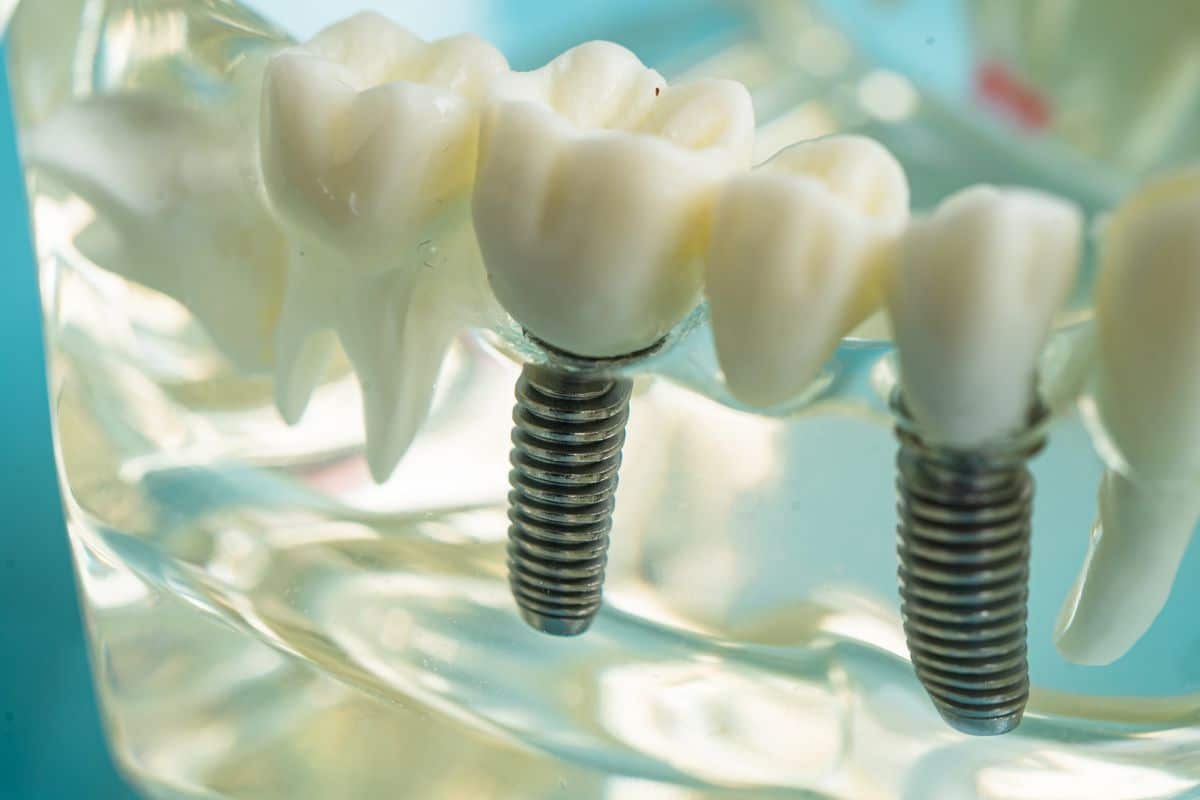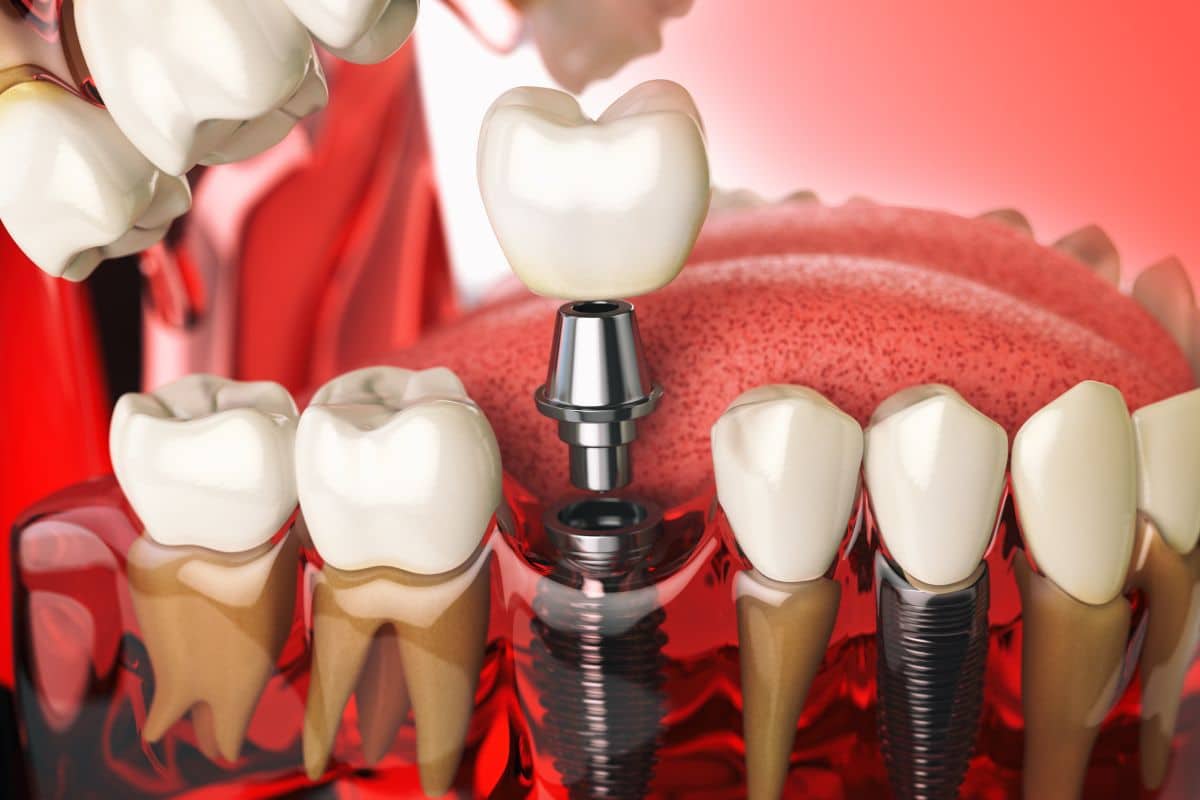
Dental crowns are more than just cosmetic enhancements; they’re an investment in the health and beauty of your smile. Whether restoring a damaged tooth or enhancing aesthetics, dental crowns play a pivotal role in maintaining oral health. However, to maximize their longevity and preserve their pristine condition, proactive care is essential. From daily routines to tailored maintenance, understanding the best practices for dental crown care is key. Join us as we delve into expert tips and strategies to safeguard your smile investment, ensuring your dental crowns in Melissa retain their brilliance and functionality for years to come.
1. Daily Oral Hygiene: Crown-Friendly Practices
Maintaining impeccable oral hygiene is paramount for dental crown care. Brushing twice daily using a soft-bristled toothbrush and non-abrasive fluoride toothpaste is essential. Focus on gentle circular motions to clean the crown and surrounding teeth without exerting excessive pressure. Additionally, incorporate daily flossing to remove plaque and debris from between teeth, including around the crown margins, preventing potential gum issues.
2. Mindful Eating Habits: Protecting Your Crowns
Mindful eating habits play a crucial role in preserving dental crowns. Avoid chewing hard foods like ice, popcorn kernels, and hard candies that can potentially damage or dislodge crowns. Similarly, refrain from biting down on non-food items like pencils or opening packages using your teeth, as these actions can jeopardize the integrity of the crown.
3. Regular Dental Check-ups: Monitoring Crown Health
Scheduled dental check-ups are essential for monitoring the health and condition of dental crowns in Melissa. Dentists can detect any signs of wear, damage, or decay in the crowns during routine examinations. These appointments also facilitate professional cleanings to ensure optimal oral health and identify any issues with the crown at an early stage.
4. Avoiding Habits That Can Compromise Crowns
Certain habits can compromise the integrity of dental crowns. Avoid clenching or grinding your teeth, as this can put excessive pressure on the crowns, leading to cracks or fractures. Consider using a night guard if you tend to grind your teeth while sleeping, protecting both natural teeth and dental crowns.
5. Proper Nutrition: Supporting Crown Health
A balanced diet contributes to overall oral health and supports the longevity of dental crowns. Nutrient-rich foods aid in maintaining strong teeth and healthy gums, reducing the risk of decay around the crown margins. Incorporate calcium-rich foods, leafy greens, and vitamin C sources for optimal oral health.
6. Oral Care Products for Crowns: Choosing Wisely
Select oral care products suitable for dental crowns to ensure effective cleaning without causing damage. Opt for non-abrasive toothpaste recommended by your dentist, avoiding abrasive formulas that can scratch or wear down the crown’s surface. Similarly, use a fluoride mouthwash to help maintain the health of both the crown and surrounding teeth.
7. Emergency Care and Prompt Action
In the event of any issues with your dental crown, such as pain, sensitivity, or damage, seek immediate professional attention. Delaying treatment can exacerbate the problem and jeopardize the crown’s integrity. Contact your dentist promptly to address any concerns and ensure timely intervention to preserve the crown.
Your dental crowns are not just enhancements—they’re investments in your smile’s health and aesthetics. Embracing proactive care, from conscientious oral hygiene routines to mindful eating habits, ensures the durability and longevity of your crowns. Regular dental visits and swift action in case of any issues further safeguard your smile investment. By incorporating these top tips into your daily routine, you empower yourself to preserve the brilliance and functionality of your dental crowns, ensuring a radiant and confident smile for years to come.