A small crack may look harmless — but inside your mouth, it’s a ticking clock.
Many patients ignore a minor crack in the tooth because the pain is brief or comes and goes. However, dental professionals know that even tiny structural fractures can worsen over time. Biting pressure, temperature changes, and bacteria can deepen the damage, turning a manageable issue into an infection or tooth loss.
In this guide, you’ll learn what causes cracks on teeth, the difference between early and advanced tooth fractures, what can happen if you delay care, realistic timelines for progression, and which treatments your dentist may recommend. You’ll also understand when emergency care is necessary in Melissa, TX.
Several dentists offer same-day emergency treatment for cracked and fractured teeth. Clinical guidelines consistently emphasize that cracked teeth are clinically significant and require professional evaluation — even when discomfort feels mild.
What Is a Cracked Tooth?
A cracked tooth refers to structural damage affecting one or more layers of the tooth. Not all fractures are identical, and the treatment approach depends on severity.
Dentists categorize tooth fractures into several types:
- Craze lines: Superficial enamel lines that are usually cosmetic and harmless.
- Partial cracks: Cracks extending beyond enamel into dentin, often causing bite-related pain.
- Fracture reaching the pulp: Deeper cracks that irritate or infect the nerve tissue.
- Split tooth: A severe fracture where the tooth separates into segments.
Some cracks are clearly visible, especially in a cracked molar subjected to heavy chewing forces. Others are microscopic and only detected through professional examination.
To diagnose fractured teeth, a dentist may use:
- Visual magnification
- Bite testing
- Transillumination (special light to reveal hidden fractures)
- Digital X-rays or 3D imaging
Because many cracks are hairline, symptoms such as sharp biting pain or lingering sensitivity often provide the first clue.
Immediate Symptoms to Watch For
When a fractured tooth first develops, patients commonly report:
- Sharp pain when biting down
- Sudden discomfort when releasing the bite
- Sensitivity to hot or cold that lingers
- Occasional swelling
- A rough edge cutting the tongue or cheek
If you feel a sharp edge, temporarily covering it with dental wax can help prevent irritation. Rinsing with warm salt water and avoiding pressure on that side may also reduce discomfort until you see a dentist.
What Happens If You Ignore a Cracked Tooth? — Risks & Complications
Delaying treatment for a cracked tooth can lead to progressively serious issues.
Bacterial Invasion → Pulp Infection & Abscess
A crack allows bacteria to penetrate the inner pulp chamber. This can result in:
- Inflammation
- Pulp necrosis
- Abscess formation
- Swelling and possible fever
Once infection sets in, root canal therapy may be required. If the damage is extensive, extraction could become necessary.
Crack Progression → Tooth Splitting
Chewing, clenching, and grinding place repeated stress on weakened enamel. Over time, a small fracture can propagate, eventually splitting the tooth.
A fully split tooth is often non-restorable and requires removal.
Gum & Bone Involvement
Food and bacteria may collect along the fracture line, leading to:
- Local gum inflammation
- Pocket formation
- Bone loss around the tooth
An untreated tooth fracture can therefore affect the surrounding periodontal structures.
Bite Changes & Functional Problems
If a cracked tooth is lost, neighboring teeth may shift into the gap. This can alter bite alignment and create additional stress on remaining teeth.
Long-term consequences may include uneven wear, jaw discomfort, or the need for restorative or orthodontic treatment.
Rare Systemic Spread
Severe untreated dental infections can, in rare cases, spread beyond the mouth. Prompt professional treatment prevents escalation.
Practical Timeline — How Fast Do Problems Develop?
Crack progression varies, but general patterns include:
Hours to Days:
Sensitivity and bite pain begin. Swelling may develop if the infection starts.
Weeks:
Bacteria colonize deeper layers. Pain may fluctuate, but it becomes more noticeable.
Months:
Cracks widen. The likelihood of pulp damage increases. Treatment becomes more invasive.
One Year or Longer:
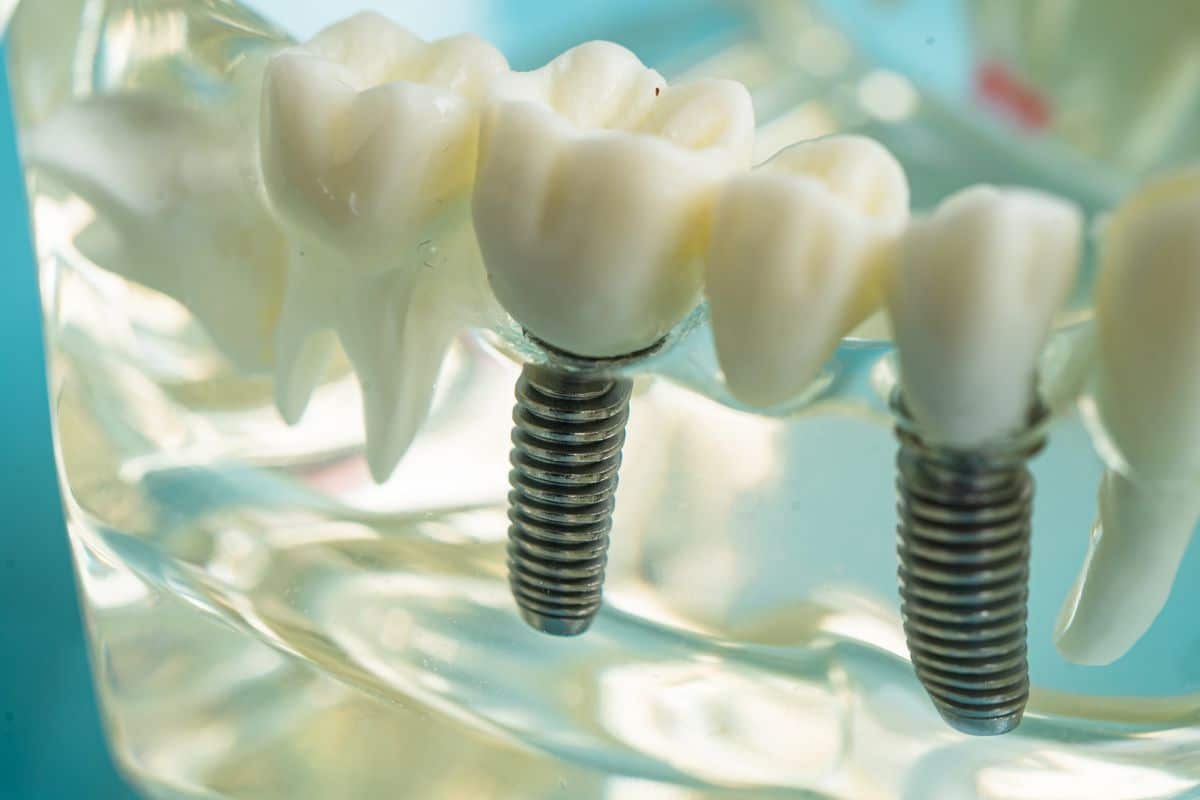
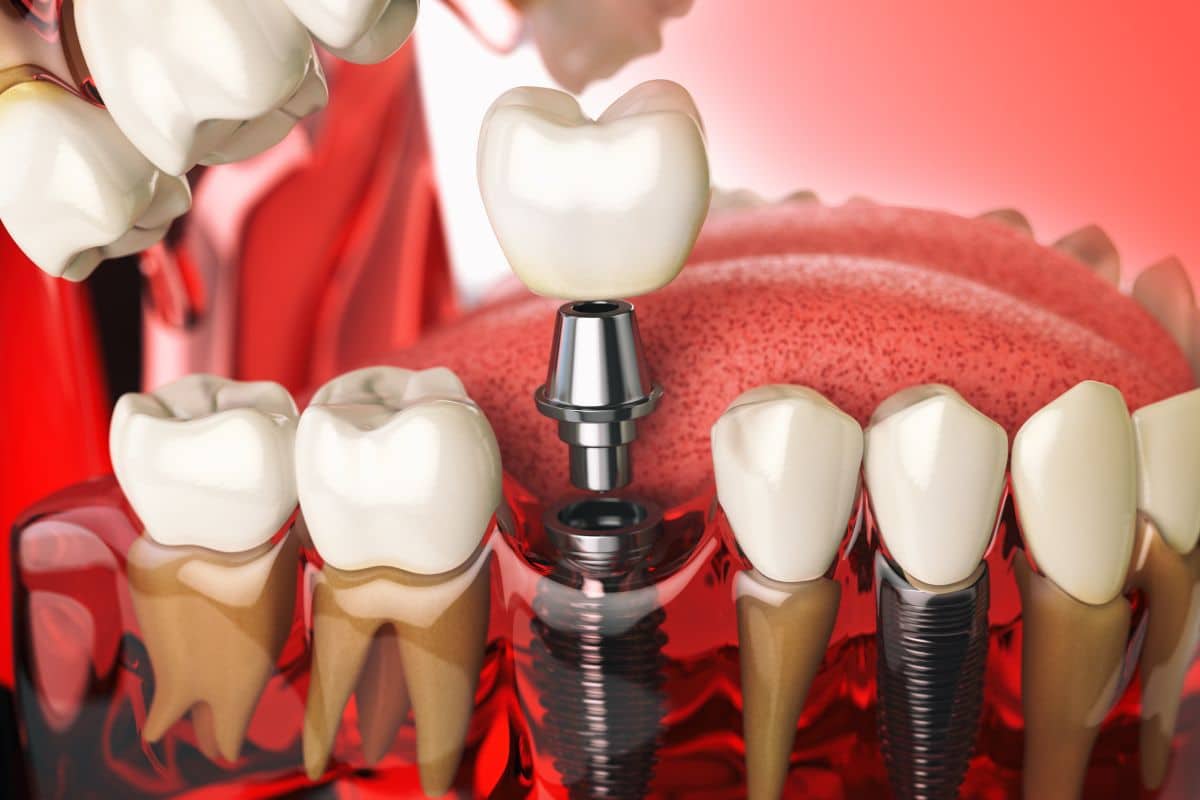
Untreated fractures frequently result in tooth irreparability and eventual extraction. Replacement, such as an implant or a bridge, may then be necessary.
The sooner a dentist evaluates the crack, the more conservative the treatment tends to be.
Treatment Options by Severity
Minor Surface Cracks (Craze Lines)
Often cosmetic and monitored. Dentists may smooth rough areas and apply fluoride to strengthen enamel.
Cracks Causing Bite Pain (Pulp Intact)
When the pulp remains healthy, treatment may include:
- Temporary crown placement
- Bonding or onlay
- Occlusal adjustment
- Night guard to reduce grinding forces
The objective is to stabilize the tooth and prevent further fracture.
Crack Reaches the Pulp
If the nerve becomes infected:
- Root canal therapy removes infected tissue
- A full-coverage crown protects the remaining structure
This approach frequently preserves the tooth when sufficient structure remains.
Split or Non-Restorable Tooth
If the fracture extends below the gumline or splits the tooth:
- Extraction may be necessary
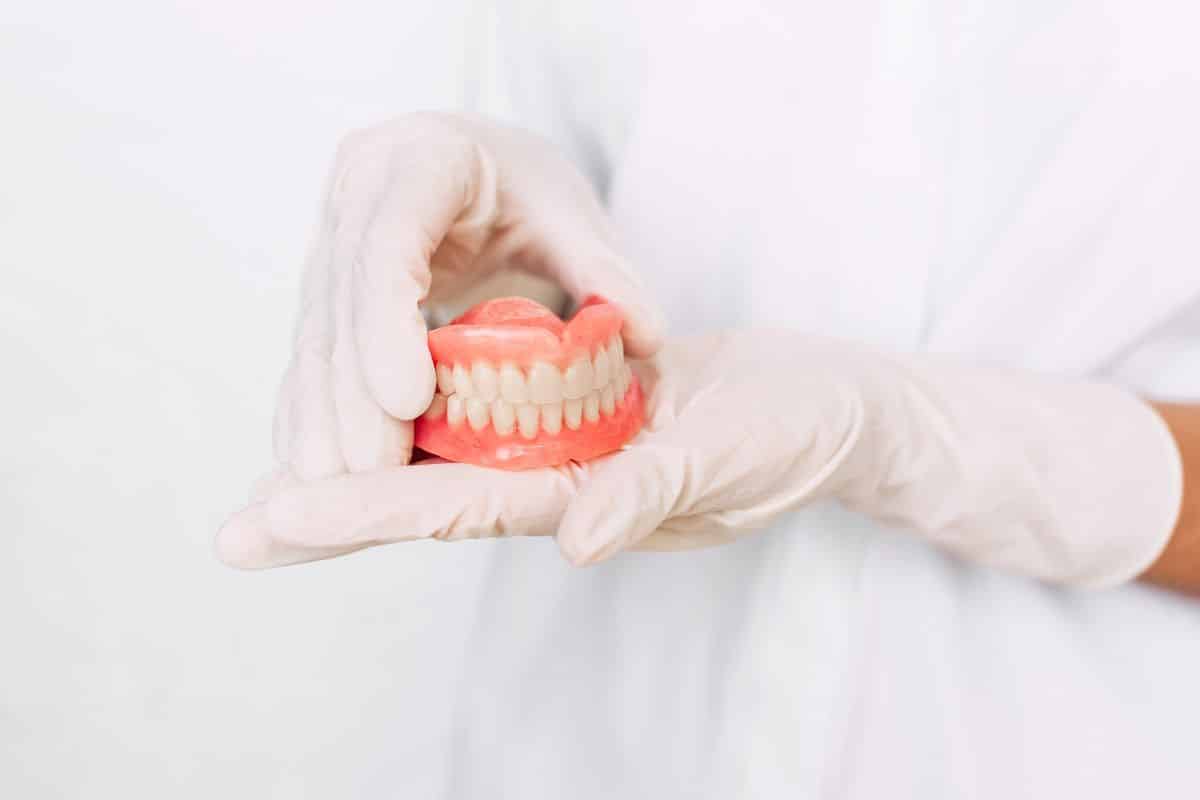
- Replacement options include dental implants, bridges, or removable prosthetics
Timing depends on bone health and overall treatment goals.
What To Do Right Now
If you suspect a crack:
- Rinse with warm salt water
- Avoid chewing on the affected side
- Cover sharp edges with dental wax
- Take OTC pain medication as directed
- Contact your dentist immediately
If swelling, fever, or spreading redness occurs, seek urgent care.
Searching for a “dentist near me” should lead to prompt evaluation rather than waiting for symptoms to worsen.
Prevention & Maintenance
Reducing the risk of future tooth fracture involves:
- Wearing a night guard if you grind or clench
- Avoiding chewing ice or hard foods
- Not using teeth to open packages
- Attending regular dental exams
Routine visits allow dentists to detect early structural weaknesses before symptoms arise.
When to Seek Emergency Care
Contact a dentist immediately if you experience:
- Severe, worsening pain
- Facial swelling
- Fever
- A large fragment is breaking off
- Difficulty breathing or swallowing (call 911)
Dental clinics in Melissa typically provide emergency triage and same-day evaluation for fractured teeth.
See a Dentist in Melissa Today
If you’ve noticed a crack in the tooth, sudden bite pain, or persistent sensitivity, don’t delay care.
Early treatment often saves the tooth and reduces cost and complexity.
Schedule an evaluation at Melissa Dental & Orthodontics, Melissa, TX. Their experienced dental team provides comprehensive diagnostics, emergency care, and personalized treatment plans to stabilize and restore fractured teeth quickly and comfortably.
Prompt action makes the difference between a simple repair and tooth loss. Book your appointment today.
FAQs
Q. Can a cracked tooth heal on its own?
A: No. Cracks do not repair themselves. They either remain stable or worsen without intervention.
Q. Will a crown fix a cracked tooth?
A: A crown can successfully protect many cracked teeth, especially after root canal therapy if required. Not every fracture is restorable.
Q. Is a root canal always necessary?
A: Only if the pulp is infected or irreversibly inflamed.