It can be disheartening to hear that you’re not a candidate for dental implants. You might feel frustrated and unsure about your next steps. However, being initially told “no” doesn’t necessarily mean the end of your journey toward a complete and confident smile.
Over three million dental implants have been successfully placed in the United States, and many of these successful cases were initially considered too complex. Often, there are solutions available to help patients who were initially deemed ineligible.
In this blog post, we’ll discuss the common reasons why patients might be turned down for dental implants and explore how modern dental techniques can help you overcome these challenges.
Why Might You Be Told You’re Not a Candidate for Dental Implants?
Several factors can lead a dentist to initially determine that you’re not a suitable candidate for dental implants. These reasons often relate to your current oral health or the structure of your jawbone. Let’s examine some of the common reasons:
Insufficient Bone Density: One of the most frequent reasons for initial ineligibility is a lack of sufficient jawbone to adequately support a dental implant. Bone loss can occur due to various factors, including previous tooth loss, gum disease, or dental injuries.
Gum Disease: Severe gum disease can significantly compromise your ability to receive dental implants. The infection associated with advanced gum disease can affect the surrounding bone and soft tissues, making the implant procedure risky and increasing the likelihood of implant failure.
Health Conditions: Certain underlying health conditions can also impact your eligibility for dental implants. For example, uncontrolled diabetes or active cancer can affect the body’s ability to heal properly after dental implant surgery, increasing the risk of complications.
Age: While there isn’t a strict upper age limit for dental implants, very young patients whose jawbones are still developing may not be ideal candidates until their facial growth is complete and their bones have reached full maturity.
While these factors might seem discouraging, it’s crucial to understand that in many instances, there are advanced dental solutions available that can help you become a viable candidate for dental implants.
Alternative Solutions and Treatments for Dental Implant Candidacy
Just because you receive an initial “no” doesn’t mean that dental implants are permanently out of reach. At Melissa Dental & Orthodontics, we offer several advanced dental treatments that can often make dental implants a possibility, even if you were initially told you weren’t a candidate.
Bone Grafting: If insufficient jawbone is the primary concern, bone grafting can be a highly effective solution. This procedure involves adding bone material to the deficient areas of your jawbone. Over time, this graft material stimulates the growth of new, natural bone, creating a stronger and more stable foundation for the placement of dental implants.
Sinus Lift Surgery: In some cases, particularly in the upper jaw, the bone beneath the sinuses may be too thin to support a dental implant. A sinus lift procedure addresses this issue by gently lifting the sinus membrane and placing bone graft material in the space created. This added bone volume provides the necessary support for successful implant placement.
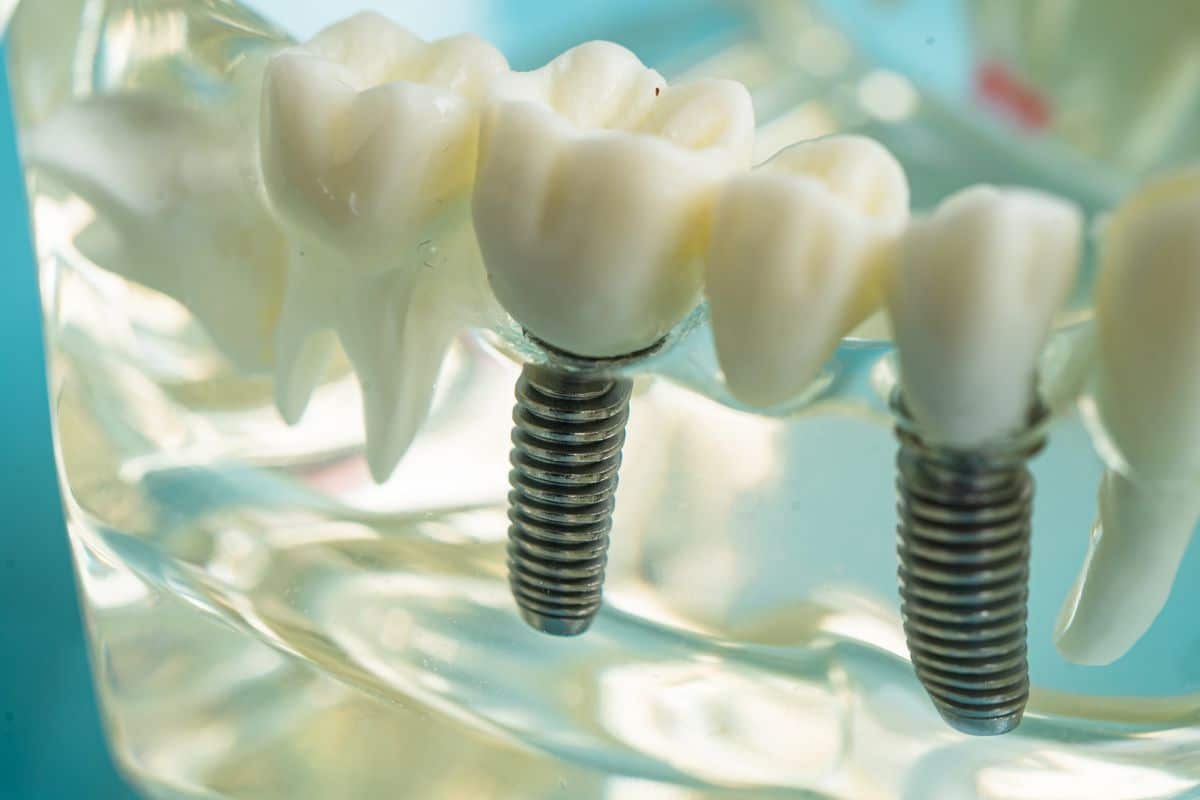
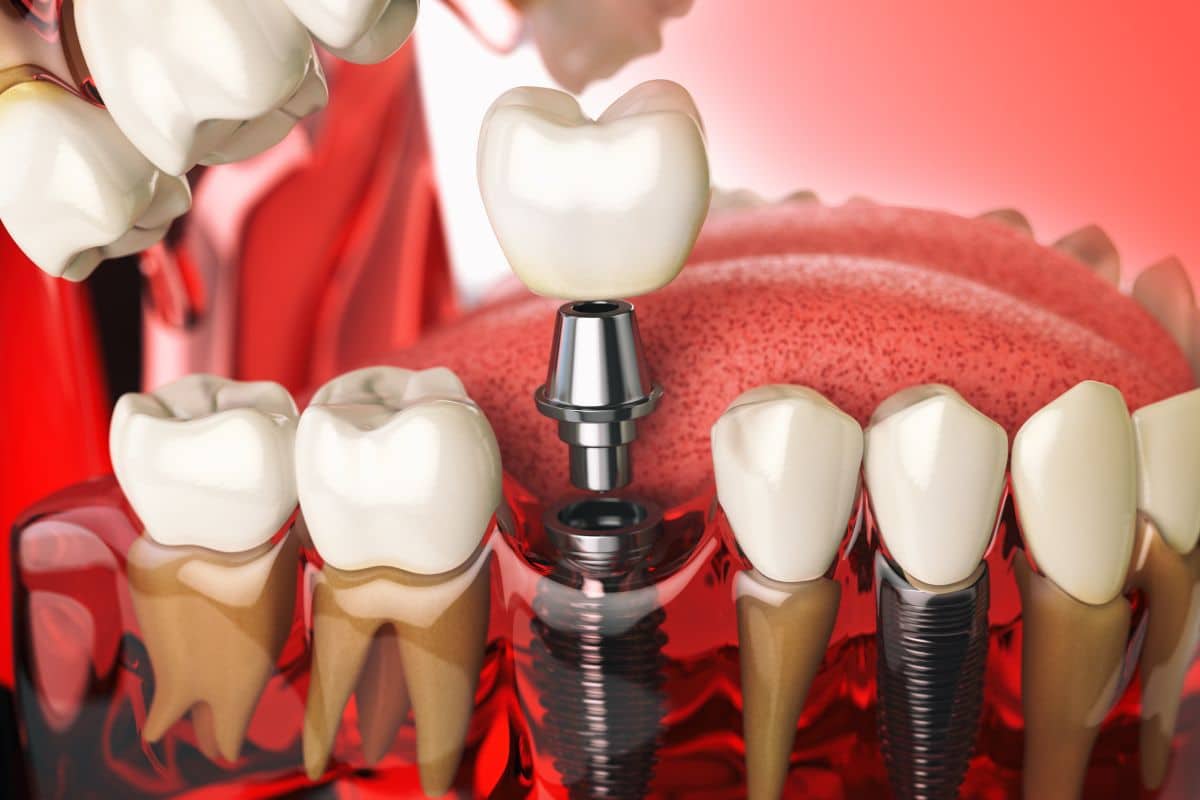
All-on-4 Implants: For patients experiencing significant bone loss in the jaw, the All-on-4 implant technique can be a revolutionary solution. This method involves strategically placing just four dental implants to anchor a full arch of replacement teeth (either upper or lower). Often, the All-on-4 technique can eliminate the need for extensive bone grafting procedures.
Mini Implants: If you have minimal bone density but still desire a solution for replacing missing teeth, mini dental implants might be a viable option. These implants are significantly smaller in diameter than traditional implants and can often be placed in areas with less bone volume, offering a less invasive approach in certain situations.
How Can You Improve Your Chances for Dental Implants?
If your goal is to improve your chances of becoming a successful candidate for dental implants, focusing on your oral health and overall well-being is paramount. Here are some proactive steps you can take:
Maintain Good Oral Hygiene: Consistent and thorough oral hygiene practices are fundamental to the success of any dental procedure, including dental implants. Regular brushing at least twice a day, daily flossing, and attending regular professional dental checkups and cleanings are essential for keeping your gums and teeth healthy.
Treat Any Existing Health Conditions: If you have any underlying medical conditions, such as diabetes or high blood pressure, it’s crucial to manage them effectively in accordance with your physician’s recommendations. Well-controlled health conditions can significantly reduce the risk of complications during and after dental implant surgery.
Quit Smoking: Smoking has numerous negative effects on oral health and can significantly hinder the healing process after dental implant surgery, increasing the risk of implant failure. Cessation of smoking is a critical step for improving your chances of successful dental implants.
Conclusion
While being told you’re not initially a candidate for dental implants can be discouraging, it’s essential to remember that advancements in modern dentistry have made it possible for many individuals to still achieve their goal of receiving dental implants. Through innovative techniques like bone grafting, sinus lifts, and alternative implant systems, options are often available to help you qualify for implants.
If you’ve been told you’re not a candidate for dental implants, please don’t lose hope. At Melissa Dental & Orthodontics in Melissa, Texas, we are dedicated to helping you regain a confident and healthy smile. Contact us today to schedule a comprehensive consultation and explore your dental implant options. Let us help you understand how we can potentially help you get the dental implants you deserve.
FAQs About Dental Implants
1. Can I get dental implants if I’ve had previous dental work like crowns or bridges?
Yes, it is often possible to get dental implants even if you have a history of previous dental work such as crowns or bridges. Your dentist will conduct a thorough evaluation of your current oral health and the condition of the underlying bone to determine the best course of treatment.
2. How long does the recovery process take for dental implants?
The recovery timeline for dental implants can vary depending on individual factors and the complexity of the case. However, most patients can generally expect the initial healing phase to take between 3 to 6 months. During this time, the implant integrates with the jawbone.
3. Are dental implants painful?
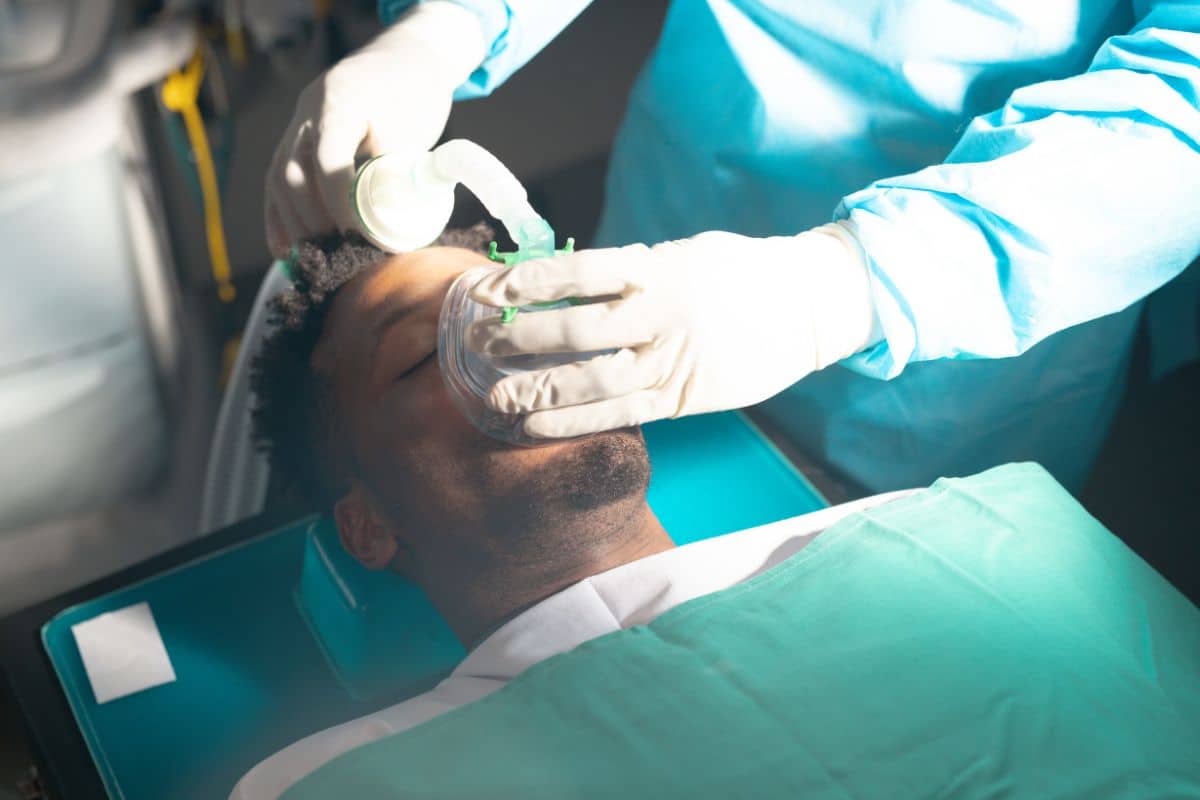
Dental implant surgery is typically performed under anesthesia (local, sedation, or general), ensuring that you do not feel any pain during the procedure itself. Some mild discomfort, similar to that experienced after other dental procedures, may occur during the initial recovery period, but this is usually manageable with over-the-counter pain medication.
4. Will my dental insurance cover dental implants?
Dental insurance coverage for dental implants can vary significantly depending on your specific insurance provider and the details of your dental plan. It is always best to directly check with your insurance company to understand your coverage options for dental implants.
5. How long do dental implants last?
Dental implants are designed to be a long-lasting solution for tooth replacement and can potentially last a lifetime with proper care and maintenance. This includes diligent at-home oral hygiene practices, such as regular brushing and flossing, as well as attending regular professional dental checkups and cleanings.