Are dental implant infections common? The short answer is no—they’re relatively uncommon, but they can happen. Dental implant infections usually occur as peri-implant mucositis (early, reversible gum inflammation) or peri-implantitis (advanced infection with bone loss).
At Melissa Dental & Orthodontics, patients in and around Melissa, TX often ask how safe modern implantation dentistry really is. This article explains how often infections occur, why they happen, early warning signs, and how to prevent them when choosing an implant solution for missing teeth.
What Is a Dental Implant Infection?
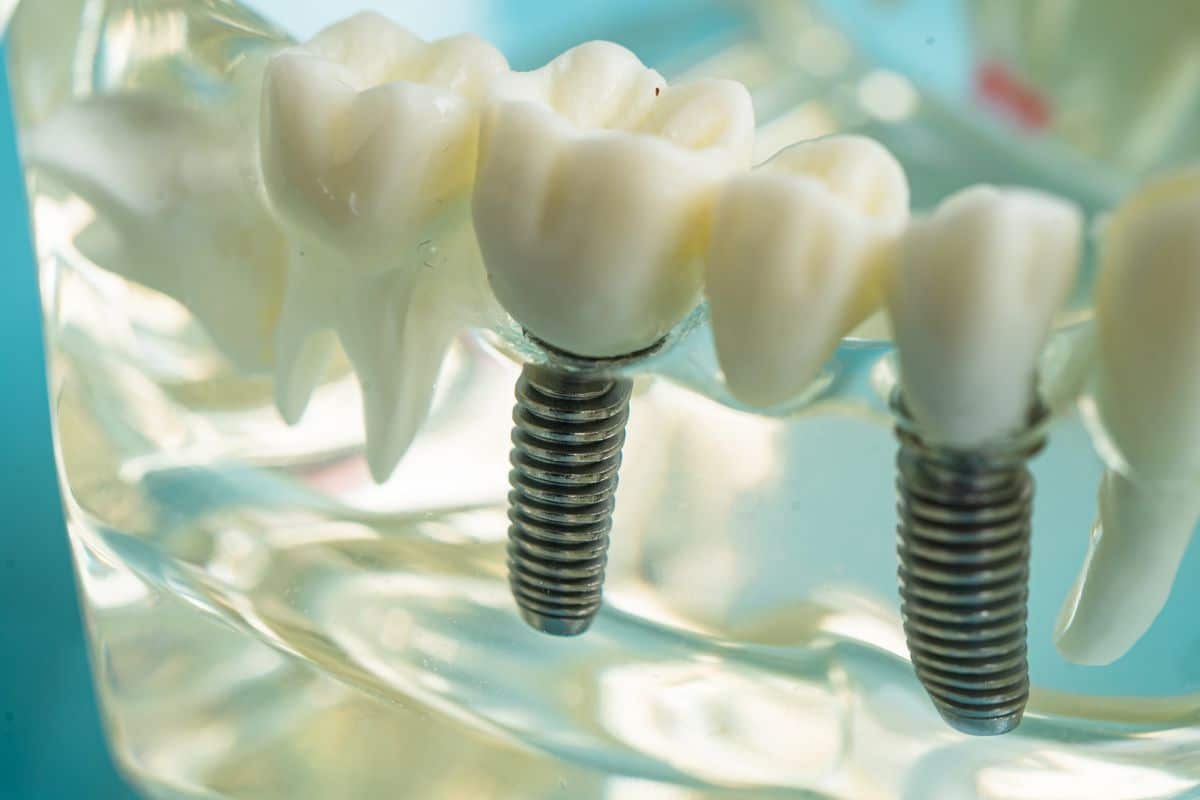
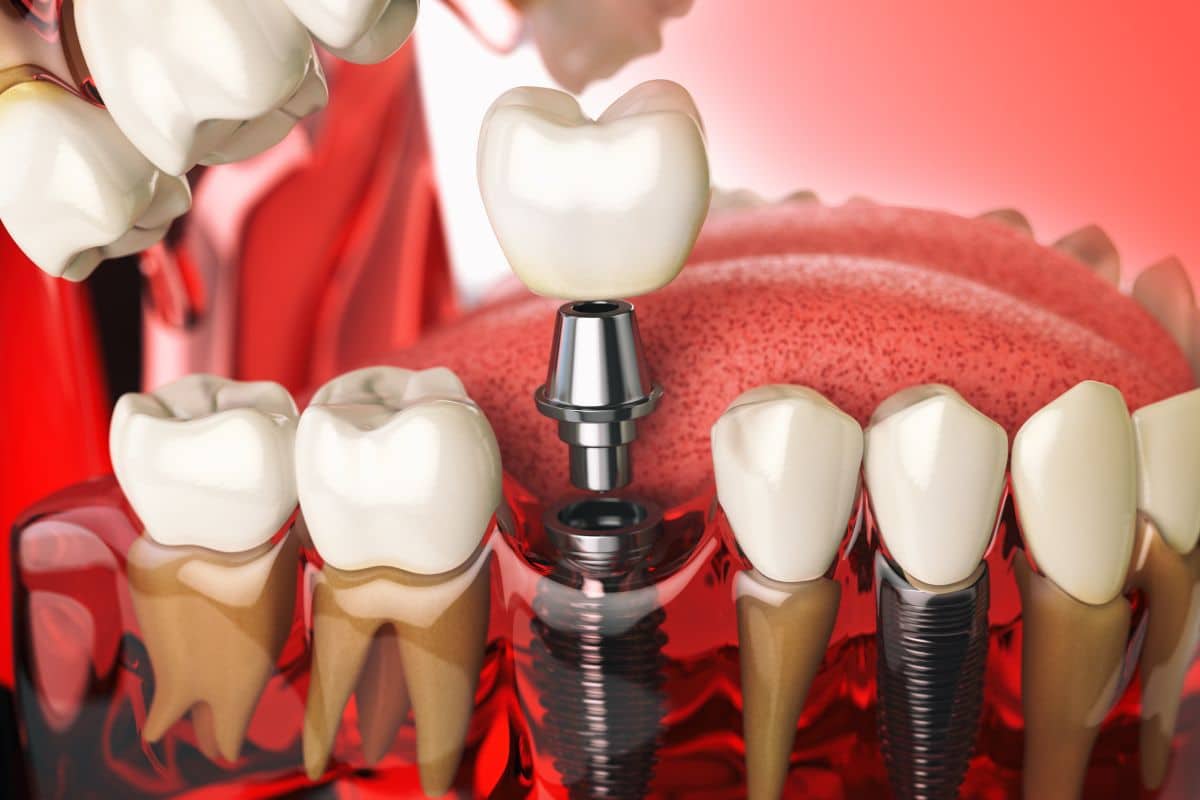
A dental implant infection develops when bacteria build up around an artificial tooth root placed in the jawbone. In the early stages, the infection affects only the gum tissue (peri-implant mucositis). If untreated, it can progress to bone loss around the implant tooth, known as peri-implantitis.
This is different from normal healing after an implant dental procedure, where mild swelling resolves within days. Persistent inflammation, however, signals a problem that needs professional care.
How Common Are Infections After Dental Implants?
Overall, implants have a high success rate, with studies showing infection rates remain low when proper care is followed. Mild inflammation around implants on teeth is more common than advanced disease, but full peri-implantitis affects only a small percentage of patients.
In growing communities like Melissa, TX where many adults search for dental implants near me long-term success largely depends on oral hygiene, routine dental visits, and overall health.
Why Do Infections Happen?
An infected implant doesn’t usually happen randomly. Common risk factors include:
- Poor oral hygiene allows plaque buildup around implant teeth
- Smoking, which slows healing and increases bacterial growth
- A history of gum disease before receiving implant tooth replacements
- Systemic conditions like uncontrolled diabetes
- Surgical factors related to implant placement or bone quality
Understanding these risks helps patients protect their implant investment long-term.
Recognizing Symptoms Early
Catching problems early can prevent serious implant infection complications. Warning signs include:
- Red, swollen, or bleeding gums
- Persistent pain or pressure
- Bad breath or a bad taste
- Pus around the implant site
- A loose implant
These are classic implant infection symptoms and should never be ignored. If left untreated, a tooth implant infection can compromise the surrounding bone and nearby teeth.
Diagnosis & Treatment Options
Dentists diagnose dental implant infections through clinical exams, probing, and X-rays to check bone levels. Treatment depends on severity and may include:
- Professional deep cleaning
- Antibacterial rinses or antibiotics
- Laser or surgical therapy
- In severe cases, implant removal
Prompt treatment of tooth implant infection significantly improves outcomes and helps preserve oral health.
Prevention Tips: How to Reduce Infection Risk
Preventing dental implant infection symptoms starts with daily care and professional oversight:
- Brush and floss thoroughly around implants
- Attend regular dental checkups
- Avoid smoking before and after surgery
- Follow all post-operative instructions
Good habits dramatically lower the risk of an implant infection and support long-term implant success.
Key Takeaway
Dental implant infections are possible—but they’re not common and are largely preventable with proper care. Whether you’re considering implants or already have them, patient responsibility and professional monitoring are key to success. If you’re worried about dental implant infection or exploring safe tooth replacement options, Melissa Dental & Orthodontics is here to help.
Schedule a consultation today to protect your smile and ensure your dental implants stay healthy for years to come.