If your dentist has recommended a root canal, you may be wondering whether the procedure will hurt. The thought of dental treatment involving the inside of a tooth can feel intimidating, especially if you already have a toothache. The good news is that modern root canal treatment is designed to relieve pain caused by infection or inflammation, not add to it.
At Melissa Dental & Orthodontics, patients in Melissa can learn what to expect before treatment, how discomfort is managed, and what recovery may feel like. Understanding root canal dental treatment in Melissa can help you feel more prepared and less anxious about your appointment.
Does a Root Canal Hurt?
A root canal typically should not cause sharp pain during the procedure because your dentist uses local anesthesia to numb the affected tooth and surrounding area. You may notice pressure, vibration, or movement, but you should not feel significant pain. After treatment, mild soreness or tenderness is common for a few days as the surrounding tissues heal.
If you feel discomfort during treatment, let your dentist know so they can address it.
What Happens During a Root Canal?
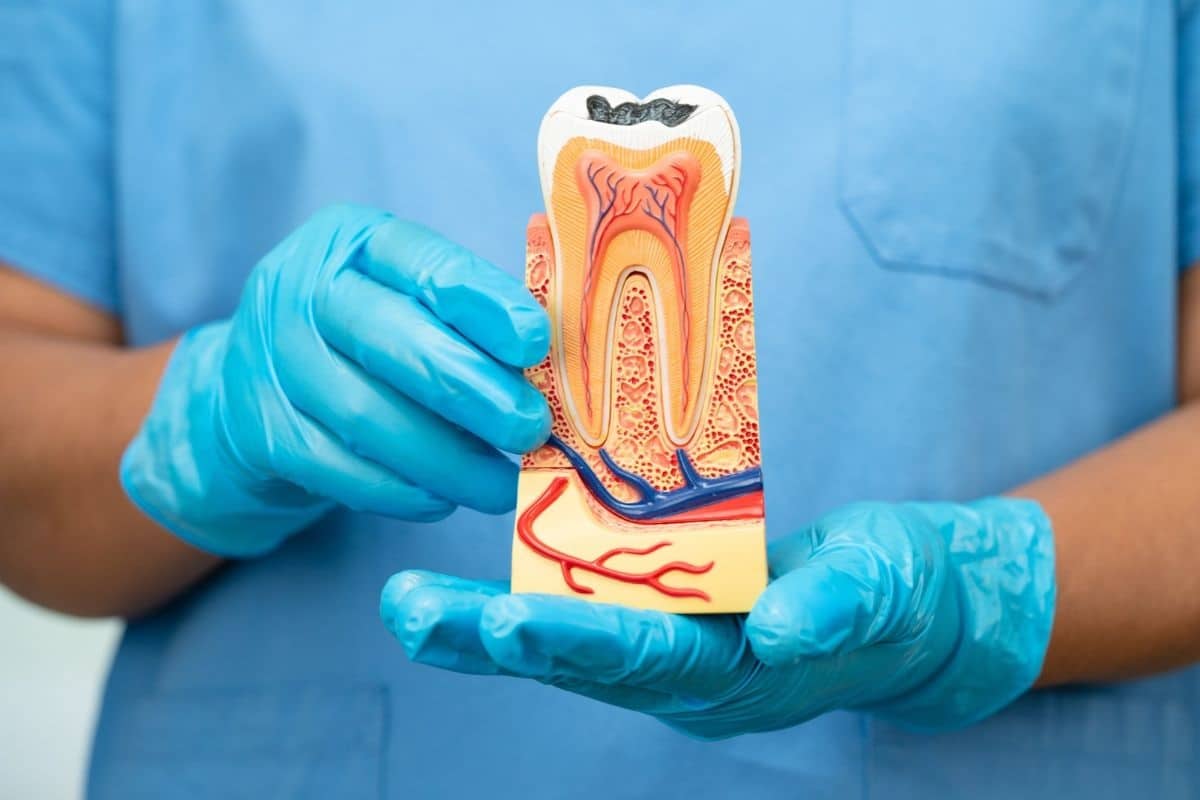
A root canal treats infection or inflammation inside a tooth, in an area called the pulp. The pulp contains nerves and blood vessels. When it becomes infected due to deep decay, a crack, or injury, it can cause significant tooth pain.
Here is what you can generally expect:
1. Numbing the tooth
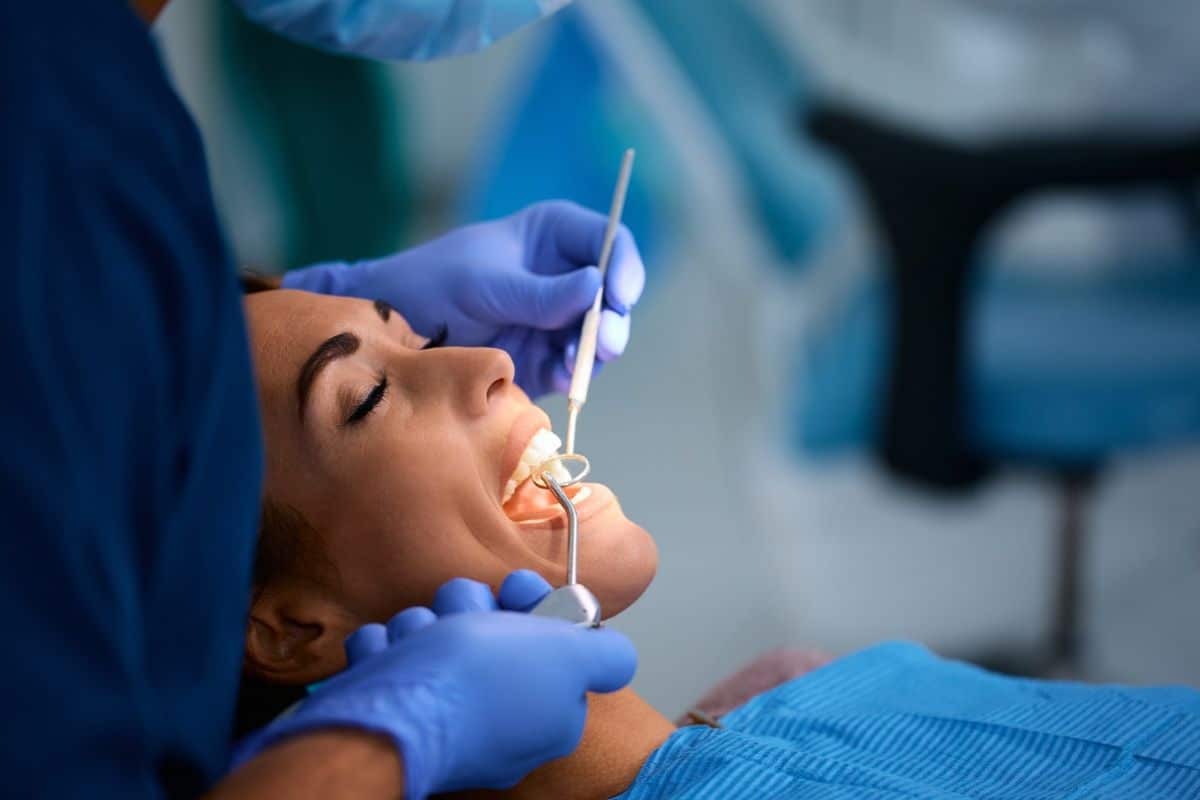
Your dentist administers local anesthesia to numb the tooth and surrounding area. This helps keep you comfortable throughout treatment. Your dental team will make sure the area is sufficiently numb before proceeding.
2. Cleaning the inside of the tooth
A small opening is made in the tooth to access the infected or damaged pulp. The affected tissue is removed, and the inner canals are cleaned and disinfected.
3. Sealing the tooth
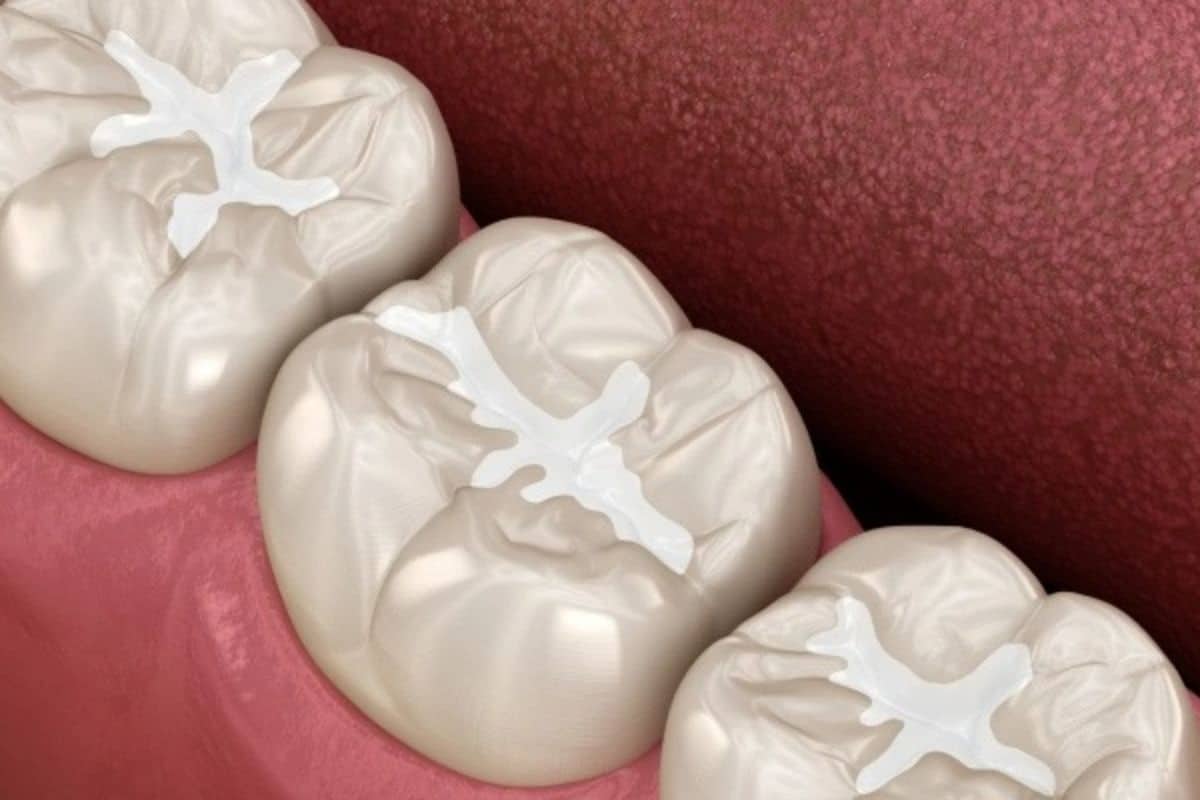
Once the canals are cleaned, they are filled with a special material and sealed to help prevent bacteria from entering again.
4. Restoring the tooth
Depending on how much tooth structure remains, a filling or dental crown may be recommended. A crown can help protect a weakened tooth from cracking during everyday chewing.
What Does a Root Canal Feel Like After Treatment?
It is normal for the tooth and nearby gums to feel a little tender after a root canal. You may experience:
- Mild soreness when biting or chewing
- Tenderness around the treated tooth
- Sensitivity in the surrounding tissues
- Slight discomfort that gradually improves
This soreness is often temporary and may be manageable with dentist-recommended pain relief and a little extra care.
However, severe pain, increasing swelling, fever, or symptoms that worsen instead of improving should not be ignored. Contact your dentist promptly if these occur.
Why Does a Root Canal Hurt Before Treatment?
The pain that leads someone to need a root canal is often more uncomfortable than the treatment itself. When bacteria reach the pulp, the tissue inside the tooth can become inflamed. Because this tissue is surrounded by hard tooth structure, pressure can build up and cause throbbing pain.
Common symptoms that may indicate a problem include:
- Persistent or throbbing toothache
- Lingering sensitivity to hot or cold
- Pain when biting down
- Swollen or tender gums near a tooth
- Tooth discoloration
Not every tooth requiring root canal therapy causes obvious pain. An examination and dental X-rays help determine whether treatment is needed.
How to Make Recovery More Comfortable
Taking care of your tooth after treatment can make the recovery period easier.
- Eat soft foods: Choose yogurt, eggs, mashed potatoes, oatmeal, and other easy-to-chew options.
- Avoid chewing on the treated tooth: Until your dentist completes the permanent restoration, avoid putting unnecessary pressure on it.
- Keep your mouth clean: Brush gently and floss carefully around the treated tooth.
- Follow medication instructions: Use pain medication only as recommended by your dentist or healthcare professional.
- Attend your follow-up appointment: A permanent filling or crown may be needed to protect your tooth long term.
If you are unsure what to eat, our guide to foods to eat after root canal treatment can help you choose comfortable meals while recovering.
Is It Better to Get a Root Canal or Have the Tooth Pulled?
When a tooth is badly infected, extraction may seem like the quicker solution. However, saving your natural tooth is often preferable when it can be restored successfully.
A root canal removes the infected pulp while preserving the outer tooth structure. Keeping your natural tooth can help maintain your bite and avoid the need to replace a missing tooth.
The best option depends on the extent of damage, the condition of the surrounding tissues, and whether the tooth can be restored. Your dentist can explain the benefits and limitations of each approach based on your individual needs.
Frequently Asked Questions
How long does a root canal take?
Treatment time varies depending on the tooth, the number of canals, and the complexity of the infection. Some root canals can be completed in one appointment, while others may require additional visits.
Can I drive home after a root canal?
Most patients can drive home after a routine root canal performed with local anesthesia. If you receive sedation, driving restrictions may apply, so arrange transportation as instructed by your dental team.
Does a root canal hurt more than a filling?
A root canal may take longer and involve more steps than a filling, but local anesthesia helps manage discomfort during both procedures. The experience varies depending on the tooth and the condition being treated.
What happens if I delay a root canal?
An untreated infection may worsen, potentially leading to increased pain, swelling, an abscess, or tooth loss. If you have persistent tooth pain, seek a dental evaluation rather than waiting for symptoms to disappear.
Get Relief From Tooth Pain in Melissa
If you have been putting off a root canal because you are worried about pain, you are not alone. Knowing what happens during treatment and how your dentist manages discomfort can make the experience feel much less stressful.
At Melissa Dental & Orthodontics, we help patients understand their dental concerns and make informed decisions about their care. If you are experiencing tooth pain or have been told you may need a root canal, schedule an appointment with our team in Melissa, Texas.
Your comfort matters, and getting the right care can help you move toward a healthier smile.