Have you ever noticed a small chip in your front tooth, a stubborn stain, or a tiny gap that makes you feel less confident about your smile? Sometimes, even minor imperfections can make a noticeable difference in how your teeth look.
The good news is that you may not need extensive dental treatment to address these concerns. Cosmetic dental bonding is a conservative dental procedure that uses tooth-colored composite resin to improve the appearance of teeth and repair certain minor imperfections.
At Melissa Dental & Orthodontics, patients looking to improve their smiles can explore dental bonding treatment in Melissa to understand whether this option suits their dental needs.
But what exactly can bonding fix? Here are seven common dental concerns that may be improved with this treatment.
Quick Answer: What Dental Problems Can Cosmetic Bonding Fix?
Cosmetic dental bonding can improve several minor dental imperfections using tooth-colored composite resin. Depending on the condition of your teeth, it may help repair chipped or cracked edges, close small gaps, cover certain stains, reshape uneven teeth, improve worn edges, make short-looking teeth appear longer, and restore minor areas of tooth damage.
The best treatment depends on your individual dental health and the extent of the concern.
7 Dental Problems That Can Be Fixed With Cosmetic Dental Bonding
1. Chipped or Broken Tooth Edges
A chipped tooth is one of the most common reasons people consider dental bonding.
Accidents, biting hard foods, or everyday wear can cause small pieces of enamel to break away. Even a minor chip on a front tooth can make your smile look uneven.
With cosmetic bonding, a dentist can apply composite resin to the affected area, shape it to match the surrounding tooth, and polish it for a natural-looking appearance.
Bonding may be appropriate for small chips. However, larger fractures or injuries involving the inner tooth may require different treatment.
2. Small Gaps Between Teeth
Do you have noticeable spaces between your front teeth?
Small gaps, also known as diastemas, can sometimes be improved with dental bonding.
Your dentist applies tooth-colored resin to the sides of selected teeth to make them appear slightly wider, reducing the visible space between them.
Bonding can be a practical option when the gaps are relatively small and the teeth are otherwise healthy.
For larger spaces or alignment concerns, orthodontic treatment may provide a more suitable solution.
3. Stained or Discolored Teeth
Not all tooth discoloration responds equally well to whitening treatments.
Some stains are resistant to traditional whitening, while certain discolorations may be caused by changes within the tooth rather than surface buildup.
Dental bonding can cover selected areas of discoloration by applying resin that matches the desired tooth shade.
However, bonding is not always the first choice for stained teeth. If discoloration affects several teeth, professional teeth whitening or porcelain veneers may be worth discussing.
Your dentist can help identify the cause of the discoloration and recommend an appropriate approach.
4. Uneven or Irregularly Shaped Teeth
Some people naturally have teeth that differ slightly in size or shape.
Others may notice uneven edges caused by years of normal wear.
These differences can affect the overall appearance of a smile, particularly when the front teeth are involved.
Cosmetic bonding allows a dentist to add small amounts of composite resin to selected areas, improving the shape and creating a more balanced appearance.
The goal is to complement your natural teeth rather than make every tooth look identical.
5. Worn-Down Tooth Edges
Over time, teeth can develop worn or flattened edges.
Teeth grinding, also called bruxism, is one possible cause. Everyday wear and certain bite-related issues may also contribute.
For selected cases, dental bonding can rebuild small areas of lost tooth structure and improve the appearance of worn edges.
However, if grinding is contributing to the problem, repairing the appearance alone will not address the underlying cause.
Your dentist may recommend evaluating your bite and discussing protective options, such as a nightguard.
6. Teeth That Look Too Short
Do your front teeth appear shorter than they used to?
Minor wear or naturally short tooth proportions can make teeth look less balanced.
Dental bonding may help by adding composite resin to selected edges, making teeth appear slightly longer.
This approach can improve proportions without necessarily requiring extensive changes to the natural tooth structure.
However, gum position, tooth alignment, and bite conditions can influence whether bonding is appropriate.
7. Minor Surface Irregularities and Small Areas of Tooth Damage
Small surface imperfections can sometimes make otherwise healthy teeth look less smooth.
These may include minor rough areas, shallow irregularities, or limited damage to the outer tooth structure.
Depending on the condition, bonding can restore the affected area with tooth-colored composite material.
It is important to distinguish cosmetic concerns from active dental problems. If an irregularity is caused by tooth decay, the decay must be addressed before cosmetic improvements are considered.
Your dentist will evaluate the tooth to determine the appropriate treatment.
What Happens During a Cosmetic Dental Bonding Appointment?
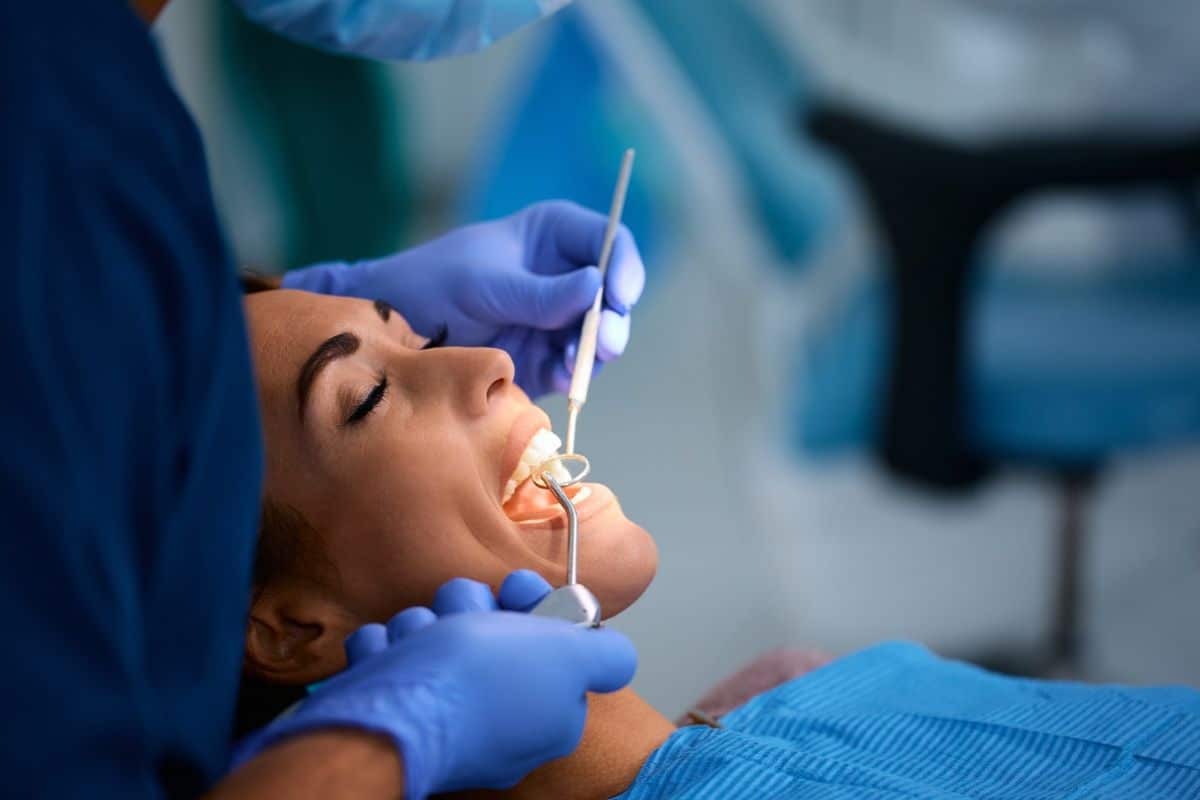
One reason patients consider bonding is that the procedure is generally straightforward.
Although the exact process depends on the tooth and the treatment plan, it typically involves:
- Tooth evaluation: Your dentist examines the tooth and discusses the changes you would like to make.
- Shade selection: A suitable composite resin shade is selected to complement your natural teeth.
- Tooth preparation: The surface is gently prepared to help the bonding material adhere.
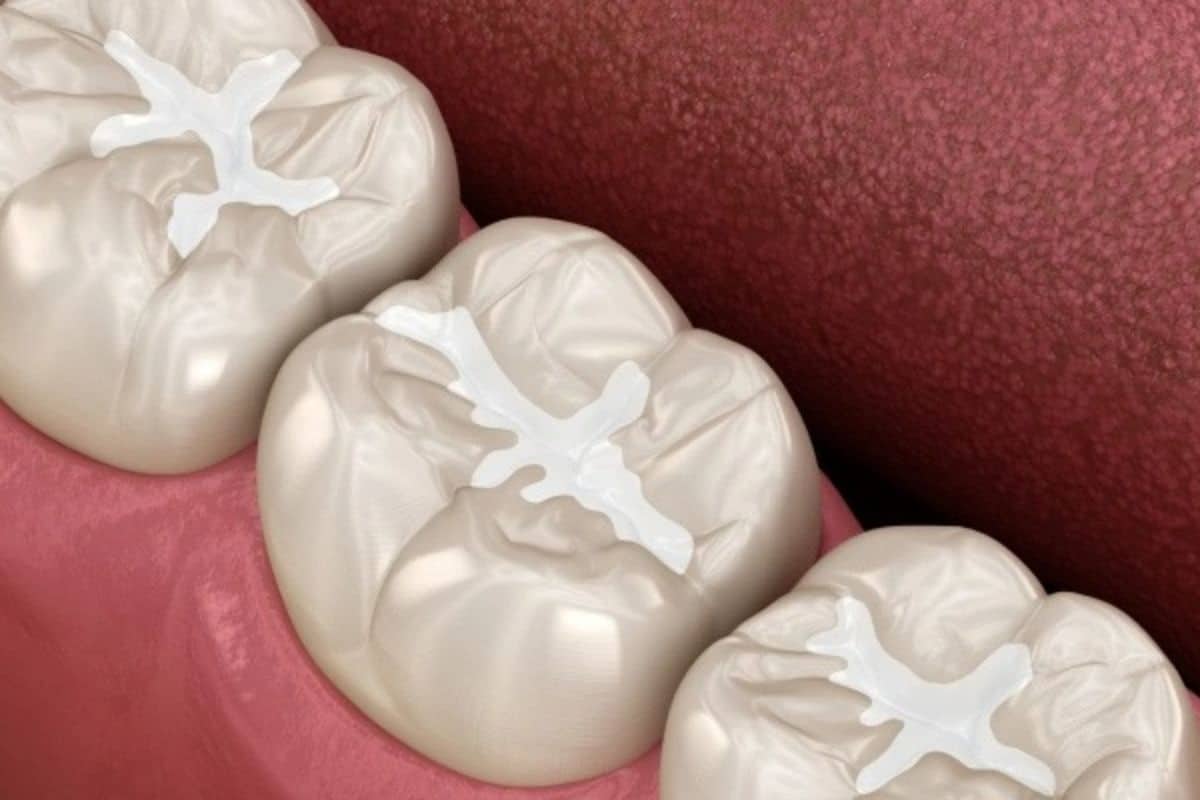
- Resin application: Composite material is applied and carefully shaped.
- Hardening and polishing: A special curing light hardens the resin before the dentist makes final adjustments and polishes the tooth.
Many straightforward bonding procedures can be completed in a single appointment.
Is Dental Bonding Better Than Veneers?
It depends on your smile goals.
Dental bonding is generally used for smaller cosmetic corrections and typically requires less alteration of natural tooth structure.
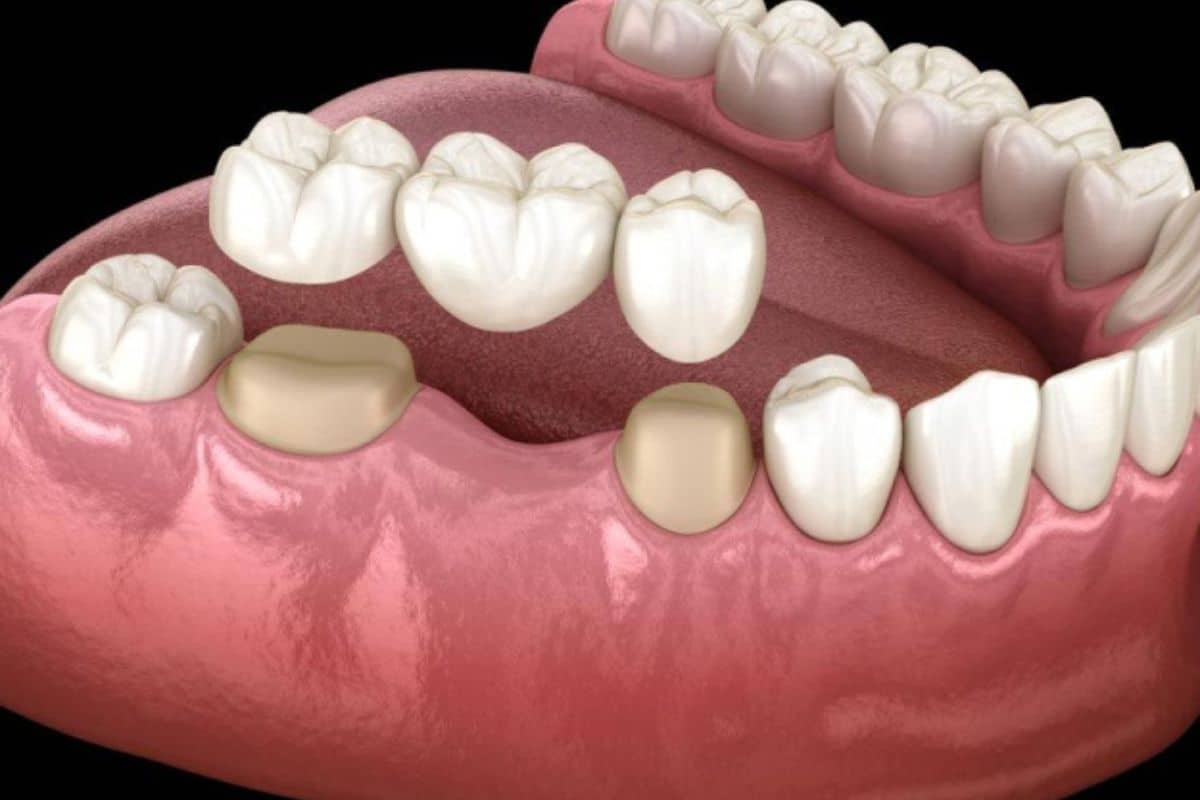
Porcelain veneers cover the front surfaces of teeth and may be more appropriate for certain larger cosmetic changes.
Bonding is also generally more susceptible to staining and chipping than porcelain.
If you are deciding between these treatments, comparing dental bonding vs. veneers can help you understand their differences before discussing your options with your dentist.
Neither treatment is automatically better for everyone. The condition of your teeth, your expectations, and your long-term dental needs all matter.
How Can You Make Dental Bonding Last Longer?
Composite resin is durable, but it is not indestructible. Good everyday habits can help protect your bonded teeth.
Consider these practical tips:
- Brush twice daily using a soft-bristled toothbrush.
- Floss once a day to maintain healthy gums.
- Avoid biting ice, fingernails, and hard non-food objects.
- Do not use your teeth to open packaging.
- Limit frequent exposure to staining beverages such as coffee and tea.
- Keep up with regular dental examinations and professional cleanings.
- Ask your dentist about a nightguard if you grind your teeth.
Bonding may need polishing, repair, or replacement over time. Its lifespan depends on the location, amount of material used, and your oral habits.
Frequently Asked Questions About Cosmetic Dental Bonding
1. Is cosmetic dental bonding painful?
Most straightforward bonding procedures involve little to no discomfort and often do not require anesthesia. However, anesthesia may be necessary depending on the condition of the tooth and the treatment being performed.
2. How long does dental bonding last?
Dental bonding can last several years, although its lifespan varies depending on the treated tooth, the amount of resin used, and everyday habits. Regular dental checkups help identify areas that may need repair.
3. Can dental bonding fix crooked teeth?
Bonding can improve the appearance of minor irregularities or slightly uneven tooth shapes. However, it does not physically move teeth into better alignment. Braces or clear aligners may be more appropriate for significant alignment concerns.
4. Does dental bonding look natural?
When properly selected, shaped, and polished, composite resin can blend with surrounding natural teeth. The final appearance depends on the tooth’s condition, material selection, and the dentist’s technique.
5. Is dental bonding suitable for everyone?
No. Bonding is generally best for selected minor cosmetic concerns. Significant tooth damage, extensive decay, unhealthy gums, or certain bite problems may require other treatments first. A dental examination is necessary to determine suitability.
Improve Your Smile With Dental Bonding in Melissa
Small imperfections do not have to keep you from feeling comfortable with your smile. Whether you are concerned about chipped edges, minor gaps, discoloration, or uneven tooth shapes, cosmetic dental bonding may offer a conservative way to improve your teeth.
At Melissa Dental & Orthodontics, patients can discuss their cosmetic concerns and explore appropriate treatment options with the dental team.
If you’re considering dental bonding in Melissa, you can see our location and patient feedback in Melissa to get familiar with Melissa Dental & Orthodontics before planning your visit
Your journey toward a healthier-looking, more confident smile can start with a conversation.