Most people brush and floss every day and still end up with gum disease. That is not a coincidence. The real threat hides in a place your toothbrush simply cannot reach. Understanding why bacteria below your gumline destroys teeth faster than you think in Melissa is the first step toward protecting your smile for life. Dr. Steven Blackburn and the team at Melissa Dental & Orthodontics want every patient to understand this invisible danger — and how professional cleanings stop it in its tracks.
What Lives Below Your Gumline — And Why It Matters
Your mouth contains hundreds of bacterial species. Most are harmless. However, certain harmful bacteria thrive in the dark, low-oxygen space beneath your gums. These bacteria form a sticky film called plaque that clings to tooth roots and gum tissue.
Over time, plaque hardens into tartar, also called calculus. Tartar cannot be removed by brushing alone. It creates a rough surface that attracts even more bacteria. This sets off a damaging chain reaction deep below the gum tissue.
The bacteria release toxins that trigger your immune system. Your body responds with inflammation. That inflammation slowly breaks down the bone and connective tissue that hold your teeth in place. This process is silent, painless in early stages, and devastatingly effective.
How Bacteria Below Your Gumline Destroys Teeth Faster Than You Think in Melissa
Many Melissa residents are surprised to learn that gum disease progresses in stages. Each stage moves faster than the last if left untreated. Here is how the cycle typically unfolds:
- Gingivitis: Bacteria irritate the gums, causing redness and bleeding during brushing.
- Early periodontitis: Pockets form between teeth and gums, trapping more bacteria.
- Moderate periodontitis: Bone loss begins, and teeth may start to shift.
- Advanced periodontitis: Severe bone destruction leads to tooth loss.
The speed of this progression surprises most patients. Without professional intervention, gingivitis can advance to serious bone loss within months. The bacteria do not slow down between dental visits — they work around the clock.
This is why routine professional cleanings are not optional. They are essential. A toothbrush reaches about 2–3 millimeters below the gumline. Periodontal pockets can extend 5–7 millimeters or deeper in active gum disease. That gap is where the real destruction happens.
What Professional Cleanings Actually Do for Your Gum Health
A professional dental cleaning goes far beyond polishing your teeth. During a cleaning at Melissa Dental & Orthodontics, our dental hygienists use specialized instruments to remove tartar and bacterial buildup from beneath the gumline. This process is called scaling.
Scaling disrupts the bacterial colonies that cause gum disease. Without this disruption, those colonies grow and deepen their hold on your gum tissue. Regular cleanings essentially restart the cycle — removing the buildup before it causes irreversible damage.
For patients with active gum disease, we may recommend a deeper cleaning called scaling and root planing. This treatment smooths the tooth root surfaces, making it harder for bacteria to reattach. It is one of the most effective non-surgical treatments available for gum disease.
Here is what a professional cleaning appointment at our Melissa practice typically involves:
- A thorough review of your gum pocket depths using a periodontal probe
- Removal of tartar and plaque above and below the gumline
- Polishing to remove surface stains and remaining soft deposits
- A personalized home care plan to slow bacterial regrowth between visits
- Guidance on brushing angles and flossing techniques that target the gumline
Signs You May Already Have Bacteria Damaging Your Gums
Gum disease is often called a silent disease because it rarely hurts in early stages. Many Melissa patients do not realize they have it until significant damage has occurred. Knowing the warning signs can help you act sooner.
Watch for these common indicators of gum trouble:
- Gums that bleed when you brush or floss
- Persistent bad breath that does not improve with brushing
- Gums that appear red, swollen, or pulled away from your teeth
- Teeth that feel loose or have shifted position
- Sensitivity along the gumline when eating or drinking
If you notice any of these signs, do not wait until your next scheduled visit. Contact Melissa Dental & Orthodontics promptly. Early treatment dramatically improves outcomes and helps you avoid more complex procedures down the road.
It is also worth noting that gum disease does not only affect your mouth. Research links it to heart disease, diabetes complications, and respiratory issues. Protecting your gums protects your overall health.
How Often Should Melissa Patients Schedule Cleanings?
The standard recommendation is a professional cleaning every six months. However, that is not a one-size-fits-all rule. Patients with active gum disease or a history of periodontitis often benefit from more frequent visits — typically every three to four months.
Dr. Blackburn evaluates each patient individually. Your cleaning frequency depends on your current gum health, your risk factors, and your home care habits. We create a plan that fits your specific situation — not a generic schedule.
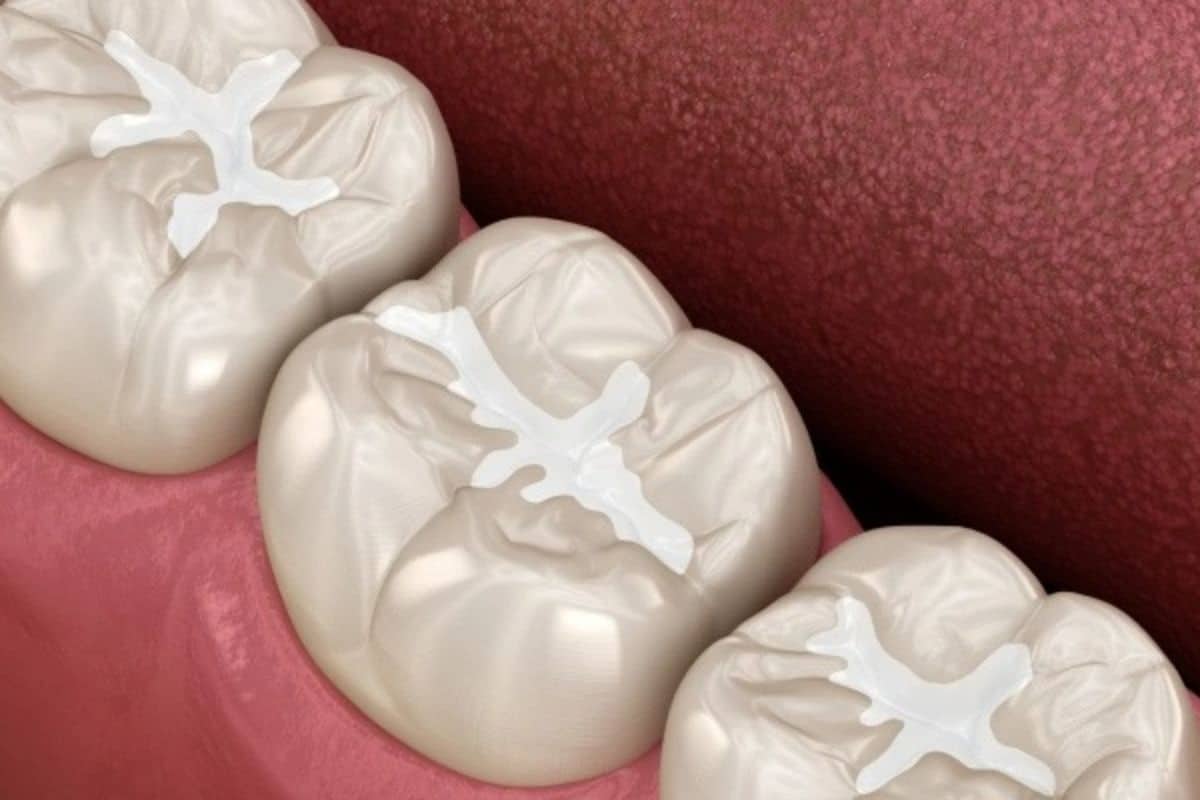
Children also need protection from gum-damaging bacteria early in life. Our pediatric dentistry services include age-appropriate cleanings and education that build healthy habits from the start. We also offer dental sealants to protect young teeth from decay while gum health develops.
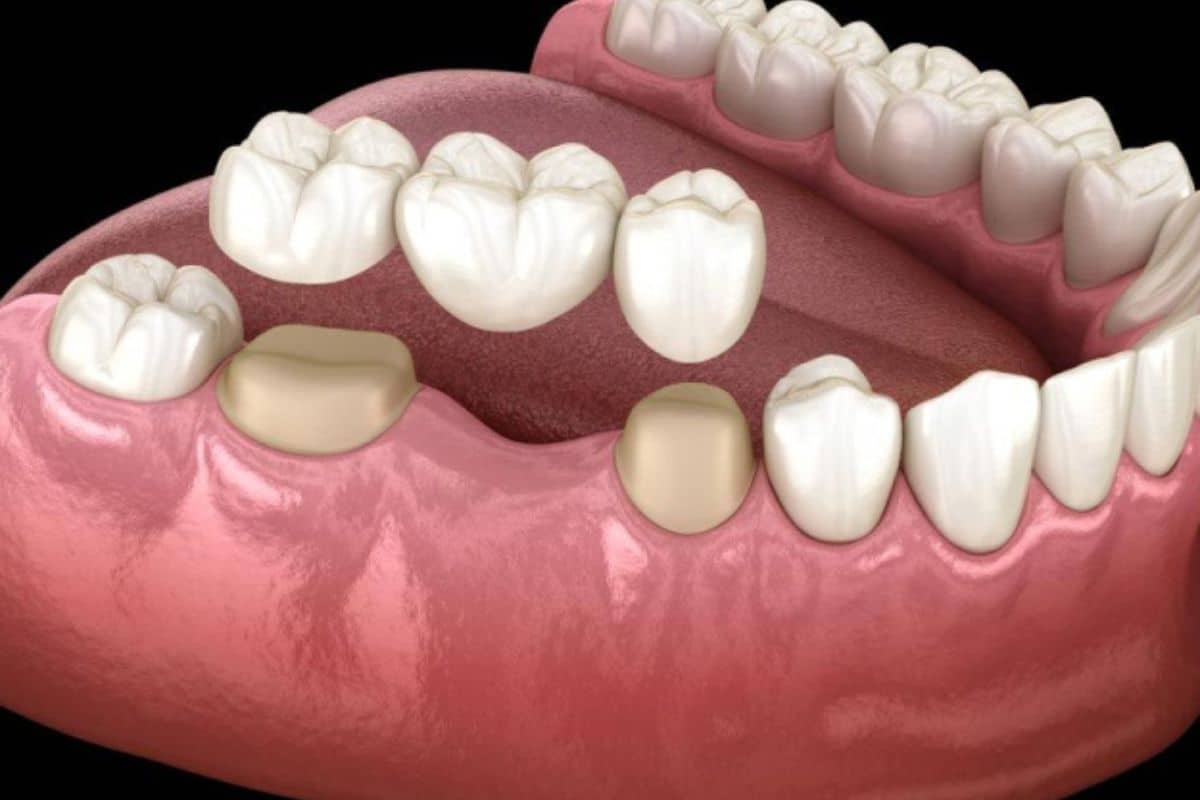
For adults exploring tooth replacement or cosmetic options, healthy gums are a prerequisite. Treatments like Dental Implants Melissa require a strong foundation of gum and bone tissue. And smile alignment treatments like Invisalign Invisalign Teen Melissa work best when your gum health is stable and well maintained.
Taking Control of Your Gum Health in Melissa, TX
You now understand why bacteria below your gumline destroys teeth faster than you think in Melissa — and what you can do about it. The bacteria never take a day off. But consistent professional care can keep them from winning.
Dr. Steven Blackburn and the entire team at Melissa Dental & Orthodontics are committed to helping Melissa families maintain healthy gums at every stage of life. Whether you need a routine cleaning, a gum disease evaluation, or a deeper periodontal treatment, we are here to guide you with compassion and expertise.
Do not let silent bacteria work undetected below your gumline. Taking action today prevents tooth loss tomorrow. Book Now to schedule your appointment with our team.
Frequently Asked Questions
Can I get rid of bacteria below my gumline by brushing harder?
Brushing harder does not remove bacteria from below the gumline. In fact, aggressive brushing can damage gum tissue and push bacteria deeper. Gentle brushing at the gumline combined with flossing and professional cleanings is the most effective approach.
How do I know if I have gum disease?
Common signs include bleeding gums, persistent bad breath, red or swollen gum tissue, and teeth that feel loose. However, gum disease is often painless in early stages. A professional examination with periodontal probing is the only reliable way to diagnose it accurately.
How long does a professional cleaning take at Melissa Dental & Orthodontics?
A standard cleaning appointment typically takes between 45 and 60 minutes. If deeper scaling and root planing is needed, the appointment may be longer or divided across multiple visits depending on the severity of buildup.
Does gum disease treatment hurt?
Routine cleanings cause minimal discomfort for most patients. Deeper cleaning procedures like scaling and root planing are performed with local anesthetic to keep you comfortable throughout. Our team always communicates what to expect before any procedure begins.
At what age should children start getting professional cleanings?
Children should receive their first dental visit around age one or when their first tooth appears. Regular professional cleanings should begin by age three or four. Starting early helps establish healthy habits and allows us to monitor gum development before problems arise.