Missing a tooth can affect more than your smile. You might notice that chewing feels different, certain words are harder to pronounce, or you instinctively hide your teeth when talking to others. Even if the gap does not hurt, it is worth having it evaluated.
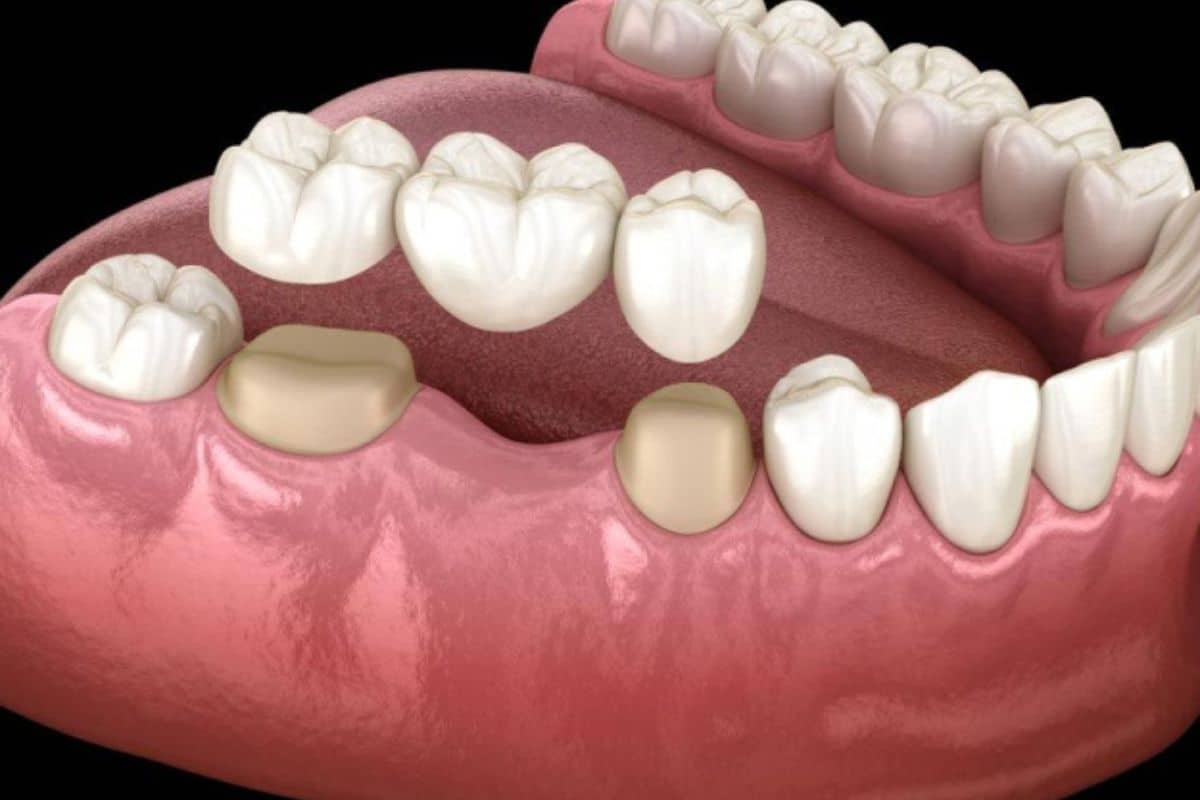
At Melissa Dental & Orthodontics, patients exploring dental bridges in Melissa can learn about options for replacing missing teeth and restoring everyday oral function. A dental bridge uses an artificial tooth, or teeth, to fill a gap and is typically supported by neighboring teeth or dental implants, depending on the design.
But how do you know whether a bridge might be right for you? Here are seven signs to watch for and what they could mean for your oral health.
Quick Answer: When Might You Need a Dental Bridge?
A dental bridge may be an option if you have one or more missing teeth, difficulty chewing, changes in speech, shifting teeth, or a gap that affects your smile. However, these signs do not automatically mean you need a bridge. Your dentist will evaluate your remaining teeth, gums, bite, and overall oral health before recommending treatment.
1. You Have One or More Missing Teeth
A visible gap is the most obvious sign that you may want to explore tooth replacement.
Tooth loss can happen because of extensive decay, gum disease, an injury, or a tooth that could not be saved. Whatever the cause, the empty space may affect how you chew and how your remaining teeth fit together.
A dental bridge can replace one or more missing teeth in suitable cases. The replacement tooth fills the gap, helping restore the appearance and function of your smile.
What to do: Schedule an evaluation even if the missing tooth is not painful. Your dentist can assess the space and explain whether a bridge, dental implant, or partial denture makes sense for your situation.
2. Chewing Has Become More Difficult
Do you avoid chewing on one side of your mouth? Have crunchy foods or tougher meats become less comfortable to eat?
Missing teeth can change how biting forces are distributed across your mouth. Depending on which teeth are missing, eating may become less efficient or comfortable.
A dental bridge can help restore chewing function when the surrounding support is suitable. However, chewing discomfort may also result from cavities, cracked teeth, gum problems, or bite issues.
What to do: Tell your dentist which foods cause trouble and whether the discomfort is new or getting worse. This information can help guide the examination.
3. Your Remaining Teeth Seem to Be Shifting
Teeth help maintain the spacing and alignment of your smile. When a tooth is lost, neighboring or opposing teeth may gradually move into the available space.
You might notice that a gap looks different over time, your bite feels uneven, or food gets trapped in places where it did not before.
Replacing a missing tooth may help maintain the arrangement of the remaining teeth, although a bridge is not a substitute for orthodontic treatment when significant alignment problems are present.
What to do: Have changes in tooth position or your bite checked. Your dentist can determine whether tooth replacement, orthodontic care, or another treatment is appropriate.
4. You Notice Changes in Your Speech
Teeth play a role in producing certain sounds. When a front tooth or several teeth are missing, you may notice a slight lisp or difficulty pronouncing particular words.
Not everyone experiences speech changes after tooth loss, and other factors can affect pronunciation. Still, if your speech has changed since losing a tooth, it is worth discussing during a dental appointment.
A properly planned dental bridge may help restore the missing tooth structure involved in speech.
What to do: Explain which sounds feel different and when you first noticed the change. Your dentist can assess whether the missing tooth is contributing to the problem.
5. You Feel Uneven Pressure When Biting
A missing tooth can alter how your upper and lower teeth meet. You may feel that one side takes more pressure when you bite down or that your teeth no longer come together as comfortably as before.
This does not necessarily mean you need a bridge. An uneven bite can also be associated with worn teeth, damaged restorations, teeth grinding, or other dental concerns.
A bridge may help restore the bite when the missing tooth is responsible and the surrounding structures can support the restoration.
What to do: Avoid trying to correct the bite yourself by chewing differently or using unprescribed dental appliances. Arrange an examination to identify the cause.
6. Food Frequently Gets Trapped Around the Gap
Have you noticed food collecting around a missing tooth or between nearby teeth more often than it used to?
Changes in tooth spacing can create areas where food becomes trapped. Keeping these spaces clean may also become more challenging, particularly if neighboring teeth have shifted.
A dental bridge can fill a suitable gap, but good cleaning habits remain essential. Food and plaque can collect underneath the replacement tooth, so you will need to clean beneath the bridge using techniques recommended by your dental team.
What to do: Continue brushing twice daily with fluoride toothpaste and cleaning between your teeth every day. Ask your dentist or hygienist to demonstrate how to clean beneath a bridge if one is recommended.
7. You Feel Self-Conscious About Your Smile
Sometimes, the biggest concern is not discomfort but confidence.
You might cover your mouth when laughing, avoid smiling in photographs, or feel uncomfortable during conversations because a missing tooth is visible. These feelings are valid reasons to discuss restorative options with your dentist.
A dental bridge can be designed to complement the appearance of your natural teeth. The final appearance depends on factors such as the location of the missing tooth, the materials used, and the condition of the surrounding teeth and gums.
What to do: Tell your dentist what you would like to improve, whether that is the appearance of your smile, chewing comfort, or both. Your preferences are an important part of treatment planning.
Is a Dental Bridge the Right Choice for You?
Recognizing these signs is a useful starting point, but only a dental evaluation can determine whether a bridge is appropriate.
A traditional dental bridge generally relies on neighboring teeth for support. Those teeth must be strong enough to support the restoration, and preparing them usually involves reshaping their surfaces. Other designs, including implant-supported bridges, have different requirements.
Your dentist may also discuss dental implants or removable partial dentures. The most suitable option depends on how many teeth are missing, the health of your remaining teeth and gums, your bone support, your preferences, and your budget.
At Melissa Dental & Orthodontics, patients in Melissa, TX, can discuss restorative options and receive guidance based on their individual dental needs.
Frequently Asked Questions
1. How do I know if I need a dental bridge or an implant?
Both can replace missing teeth, but they work differently. A traditional bridge relies on neighboring teeth for support, while a dental implant is placed in the jawbone to support a replacement tooth. Your dentist can compare the options based on your oral health, anatomy, preferences, and treatment goals.
2. Can I leave a missing tooth untreated if it does not hurt?
A missing tooth may not cause immediate discomfort, but the gap can affect chewing, tooth positioning, and oral function over time. Not every gap requires the same treatment, so discuss the benefits and risks of replacing the tooth with your dentist.
3. Does getting a dental bridge hurt?
The procedure is typically performed with local anesthesia when appropriate. You may experience some sensitivity or soreness afterward, depending on the treatment. Ask your dentist about comfort measures and what to expect during recovery.
4. How do I care for a dental bridge?
Brush twice a day with fluoride toothpaste, clean between your teeth daily, and use a floss threader or another recommended aid to clean underneath the bridge. Keep regular dental appointments so your dentist can monitor the restoration and surrounding teeth.
5. How long does a dental bridge last?
A bridge can last for many years, but its lifespan varies with the materials used, bite forces, oral hygiene, and the health of the supporting teeth or implants. Regular dental care and proper cleaning help protect your restoration.
Restore Your Smile at Melissa Dental & Orthodontics
If you have a missing tooth, difficulty chewing, or changes in your bite, you do not have to guess which treatment is right for you. An examination can help identify the cause of your concerns and clarify your tooth replacement options.
Melissa Dental & Orthodontics serves patients in Melissa, Texas, with restorative dental care tailored to individual needs. Explore dental bridge options in Melissa or contact the practice to schedule an evaluation.