Missing teeth can affect much more than your smile. They may make meals uncomfortable, change how you speak, or leave you feeling self-conscious in social situations. If you have several missing teeth or teeth that are badly damaged, you may wonder whether dentures are the right next step.
Recognizing the signs you need dentures can help you understand when to seek professional advice. At Melissa Dental & Orthodontics, patients can explore personalized tooth replacement options, including dentures in Melissa, based on their dental needs, comfort, and goals.
Not everyone with a missing tooth needs dentures. Dental implants, bridges, and other restorative treatments may also be appropriate, depending on the number of missing teeth and the condition of the remaining teeth and gums.
1. You Have Several Missing Teeth
One of the clearest reasons to explore tooth replacement is having multiple missing teeth. Gaps can make it harder to chew comfortably and may affect the balance of your bite.
When a tooth is lost, neighboring teeth may shift over time. The changes can affect how your teeth fit together and make cleaning certain areas more difficult.
What can help? Partial dentures may replace several missing teeth while using your remaining teeth for support. Full dentures may be an option if all teeth in an upper or lower arch are missing or need to be removed. Your dentist can evaluate whether either option is appropriate.
2. Chewing Certain Foods Has Become Difficult
Do you avoid crunchy vegetables, firm fruits, or other foods because chewing feels uncomfortable? Missing teeth, damaged teeth, and an uneven bite can all make eating more challenging.
You might find yourself chewing only on one side of your mouth or cutting food into much smaller pieces than before. These changes are worth discussing with a dentist, particularly if they affect your ability to enjoy a varied diet.
Dentures can help restore chewing function when tooth loss is the underlying problem. However, difficulty chewing can also result from cavities, gum disease, jaw problems, or poorly fitting dental restorations. Identifying the cause is an important first step.
3. Your Remaining Teeth Are Loose or Severely Damaged
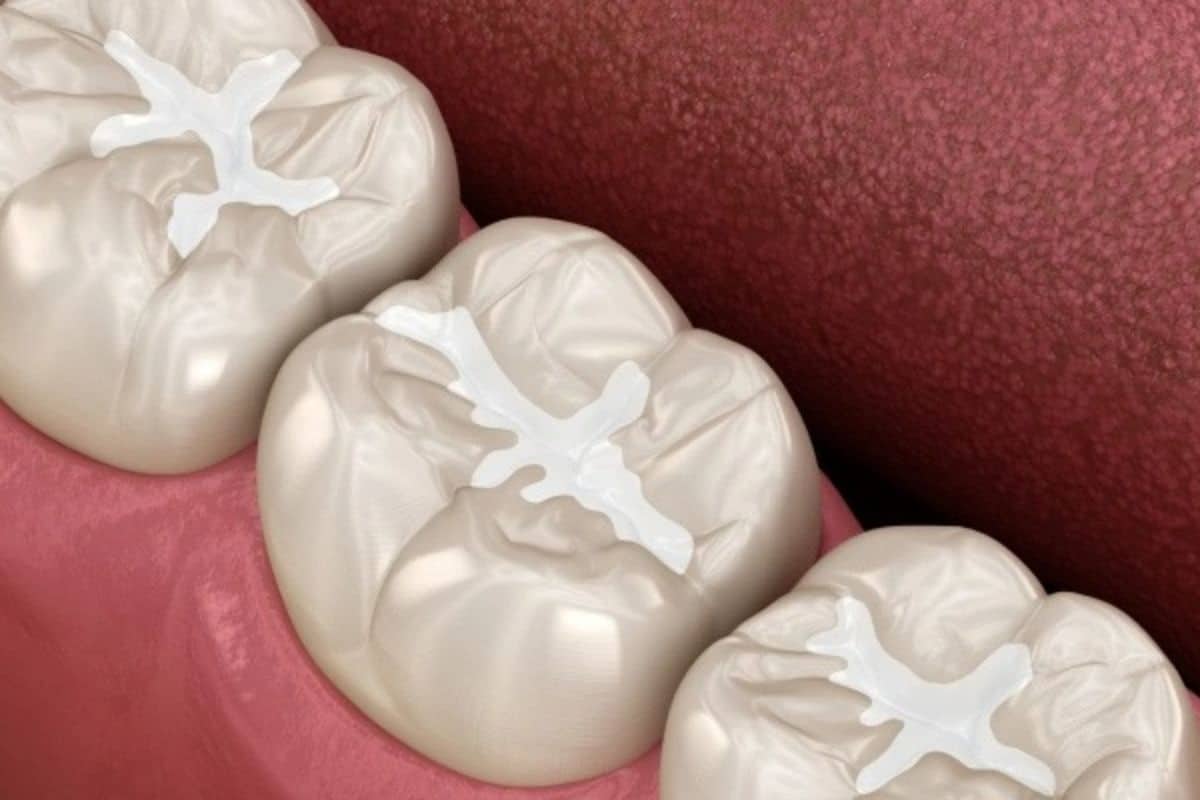
Teeth that feel loose, have extensive decay, or are badly broken may need significant treatment. In some cases, a dentist can preserve a natural tooth with a filling, crown, root canal treatment, or gum care. In other cases, extraction and tooth replacement may be necessary.
Loose teeth can be a sign of gum disease, which affects the tissues and bone supporting your teeth. Do not assume that extraction is inevitable simply because a tooth moves.
If a tooth becomes loose, breaks, or causes persistent pain, arrange a dental evaluation promptly. Early assessment may help clarify whether the tooth can be saved or whether a replacement option should be considered.
4. You Experience Repeated Dental Problems
Have you needed repeated repairs to the same teeth? Do you have several teeth with extensive decay, fractures, or restorations that keep failing?
A pattern of dental problems may indicate that some teeth have become difficult to restore predictably. When multiple teeth are affected, your dentist may discuss a broader treatment plan rather than addressing each tooth separately.
Dentures are one possible option, but they are not automatically the best choice. Depending on your circumstances, preserving some natural teeth and replacing only those that cannot be saved may provide a suitable alternative.
A thorough examination, sometimes with dental X-rays, helps your dentist assess the remaining tooth structure, gum health, and supporting bone before recommending treatment.
5. Your Bite Feels Different
A noticeable change in how your upper and lower teeth meet can occur after tooth loss or when teeth shift out of position. You might notice that your teeth no longer fit together comfortably or that chewing puts extra pressure on certain areas.
An altered bite does not necessarily mean you need dentures. Tooth wear, shifting teeth, damaged restorations, and jaw-related issues can also contribute to these changes.
Replacing missing teeth may help restore a more functional bite when tooth loss is responsible. Your dentist can examine how your teeth come together and explain whether dentures, a bridge, implants, or another treatment would be appropriate.
6. Missing Teeth Affect Your Speech or Confidence
Teeth help shape certain speech sounds, so gaps can sometimes make pronunciation more difficult. Missing teeth can also change the appearance of your smile, affecting how comfortable you feel speaking, laughing, or meeting new people.
These concerns are valid reasons to discuss replacement options with a dentist. Dentures are designed to replace missing teeth and can be made to suit your mouth.
It is important to remember that adjusting to new dentures takes time. Speaking and eating may feel different initially, and follow-up adjustments may be needed. Your dental team can explain what to expect and how to care for your new appliance.
7. Your Existing Dentures No Longer Fit Properly
Already wearing dentures? You may need an assessment if they slip while you eat, rub against your gums, click when you speak, or cause persistent sore spots.
Your mouth changes over time, including changes in the gum tissue and bone that support dentures. As a result, an appliance that once fit comfortably may eventually become loose.
Depending on its condition, your denture may need an adjustment, relining, repair, or replacement. Avoid trying to reshape it yourself, and do not rely on adhesive to manage ongoing pain or an unstable fit without professional advice.
For practical maintenance advice, read our guide on how to clean dentures. Daily cleaning and regular dental checkups help you care for your appliance and the tissues beneath it.
What Are Your Options for Replacing Missing Teeth?
Dentures are not the only way to replace missing teeth. The right approach depends on your oral health, preferences, budget, and the number and location of missing teeth.
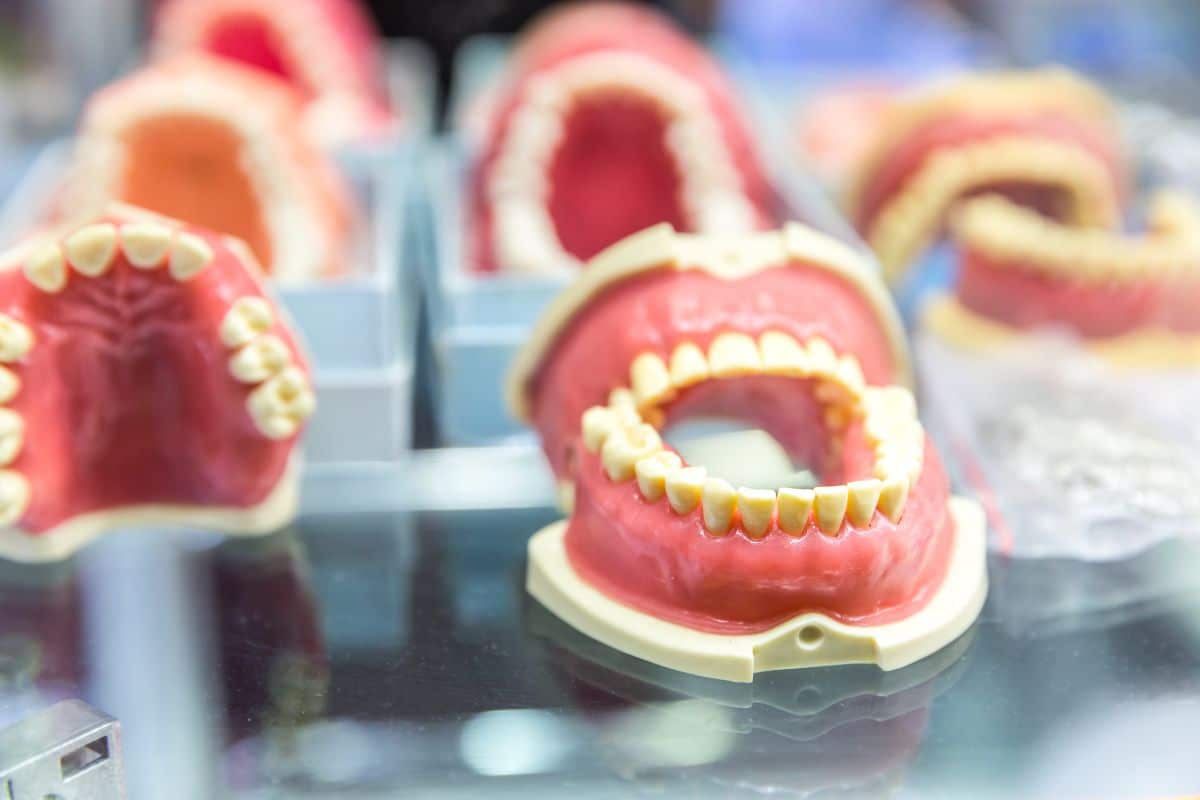
- Partial dentures: Removable appliances that replace several missing teeth while fitting around remaining natural teeth.
- Full dentures: Removable appliances that replace all teeth in the upper or lower arch.
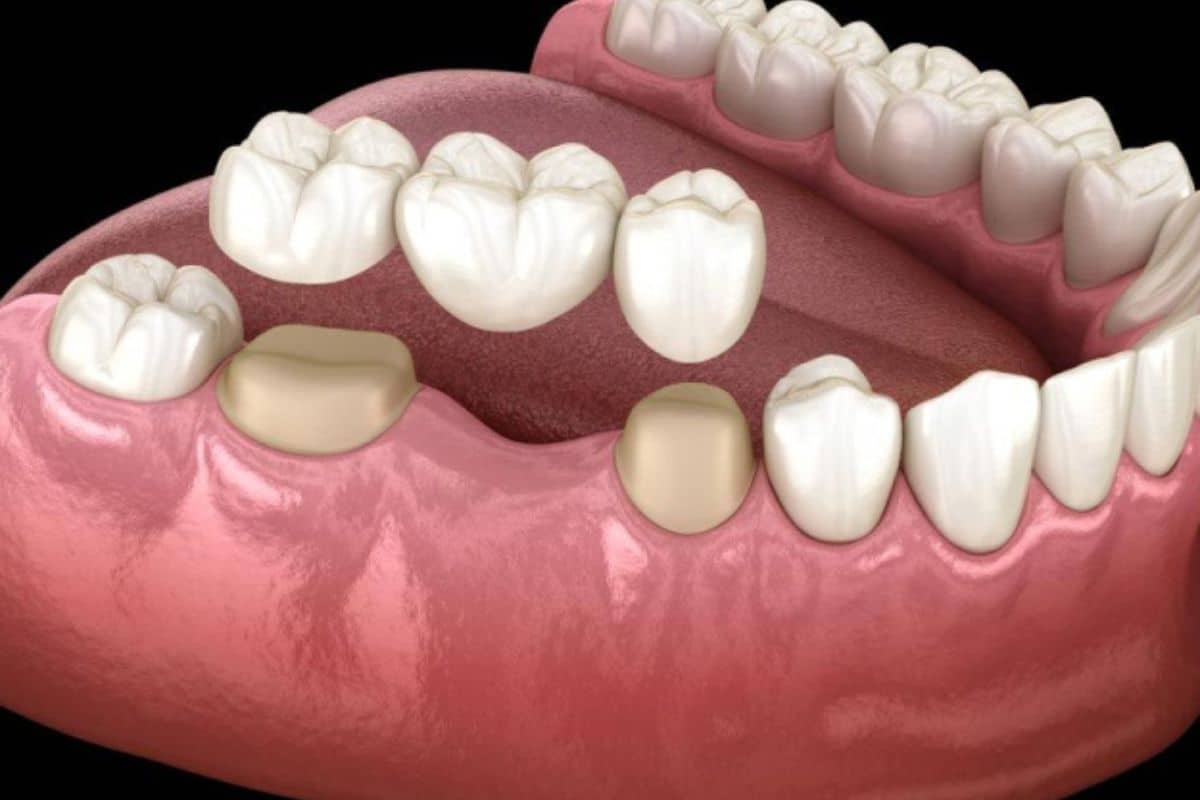
- Dental bridges: Fixed restorations that replace one or more missing teeth by using supporting teeth or, in some cases, implants.
- Dental implants: Surgically placed supports that can hold individual replacement teeth, bridges, or implant-supported dentures. Suitability depends on factors such as bone support and overall health.
At Melissa Dental & Orthodontics, the goal is to help patients understand their restorative options and choose a treatment plan suited to their needs. You can also explore the practice’s dental implant options to compare alternatives.
Frequently Asked Questions
How do I know if I need full or partial dentures?
Partial dentures may be suitable when you are missing several teeth but still have healthy natural teeth remaining. Full dentures may be considered when all teeth in an arch are missing or need to be removed. A dentist must evaluate your oral health before determining which option is appropriate.
Can I get dentures if I still have some natural teeth?
Yes. Partial dentures are designed to replace missing teeth while fitting around remaining natural teeth. However, the remaining teeth and gums must be evaluated to determine whether they can adequately support the appliance.
Are dentures the only option for missing teeth?
No. Dental bridges and implants may also replace missing teeth. The best option depends on your oral health, the location and number of missing teeth, your treatment preferences, and your dentist’s clinical findings.
How long do dentures last?
Denture lifespan varies with the materials, daily care, wear, and changes in your mouth. Dentures may eventually require adjustment, relining, or replacement. Regular dental visits help your dentist monitor their fit and condition.
When should I see a dentist about missing teeth?
Schedule an evaluation if you have missing teeth, difficulty chewing, loose teeth, or dentures that no longer fit comfortably. Seek prompt care for significant pain, swelling, or a newly loose or broken tooth. Facial swelling with difficulty breathing or swallowing requires emergency medical attention.
Explore Tooth Replacement Options in Melissa
You do not have to wait until eating becomes uncomfortable or your smile affects your confidence to ask about missing teeth. A dental evaluation can help identify the cause of your symptoms, determine whether damaged teeth can be preserved, and explain the available replacement options.
At Melissa Dental & Orthodontics, patients can discuss full dentures, partial dentures, and other restorative treatments with a dental team focused on personalized care.
If you are experiencing any of these signs you need dentures, schedule an appointment with Melissa Dental & Orthodontics in Melissa, TX, to discuss your concerns and explore the next steps for your smile. You can also find the office on Google Maps when planning your visit.