Dental implants are a popular solution for replacing missing teeth, offering not just functionality but also a natural, beautiful smile. According to the American Academy of Implant Dentistry, about 3 million Americans have received a dental implant in Year 2024.
However, one of the most frequently asked questions by patients considering dental implants is: How long does the dental implant process take?
In this comprehensive guide, we will break down the dental implant process step by step, providing you with a clear understanding of the dental implant timeline which will help you plan and make informed decisions about your dental care.
Table of Contents
- What is a Dental Implant?
- The Dental Implant Process: Step by Step
- How Long Does the Entire Dental Implant Process Take?
- Factors That Can Affect the Timeline
- Tips for Faster Recovery
- Conclusion
- Dental Implant in Melissa, Texas at Melissa Dental & Orthodontics
- Frequently Asked Questions (FAQs)
What Is a Dental Implant?
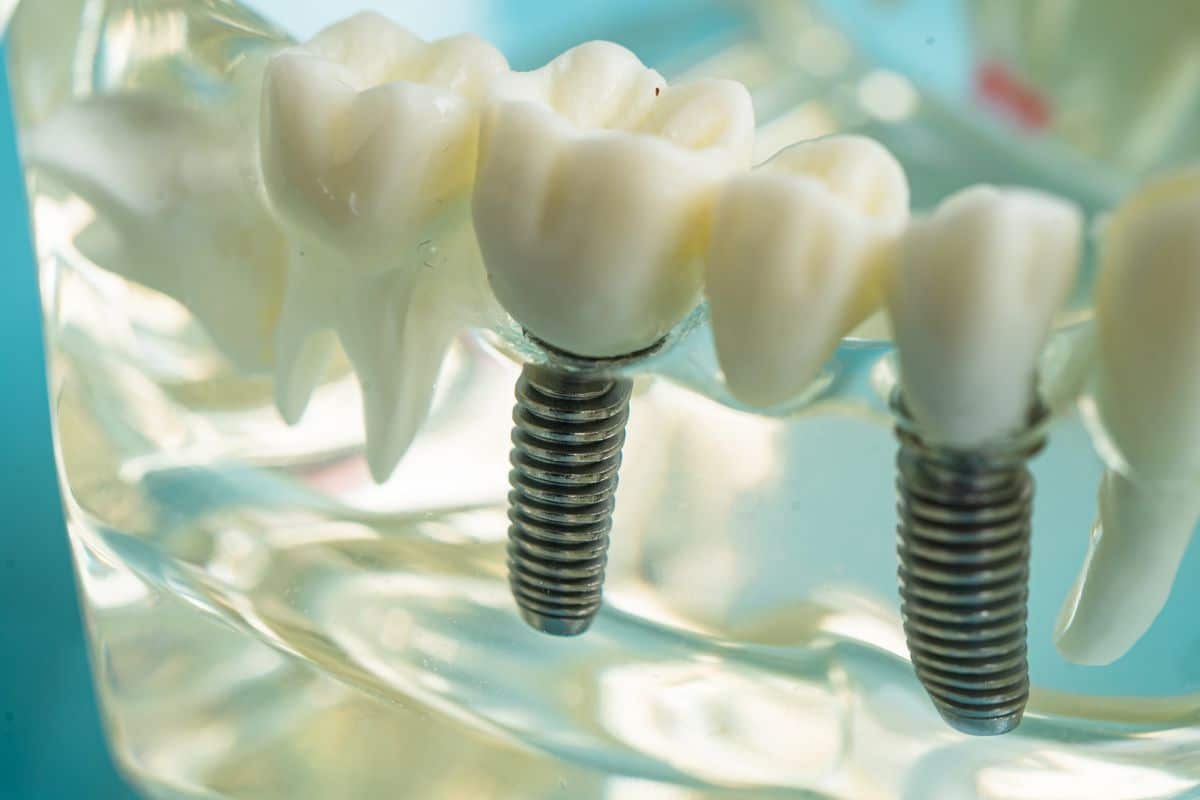
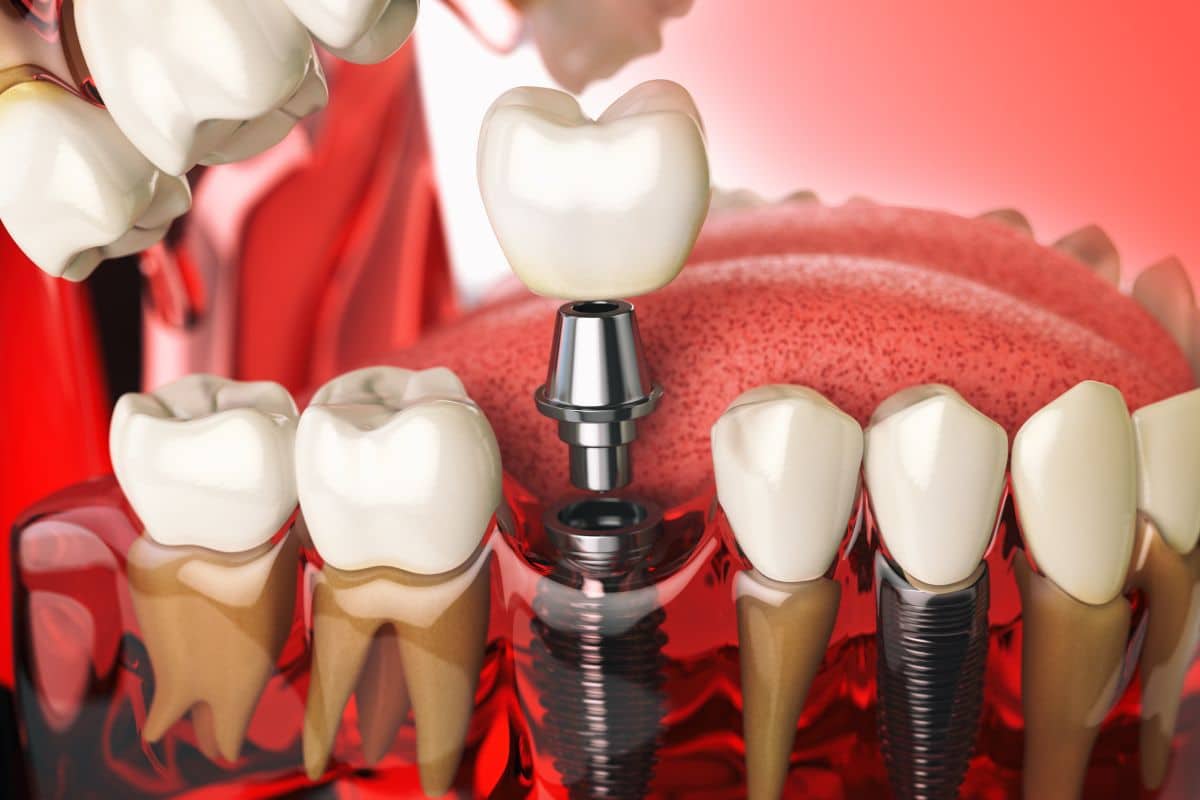
A dental implant is a titanium post surgically placed into the jawbone to replace the root of a missing tooth. Over time, the implant integrates with the bone, providing a stable foundation for a crown, bridge, or denture.
This permanent teeth replacement solution ensures that your smile is restored both in terms of function and appearance.
The Dental Implant Process: Step by Step
The dental implant process is not an overnight procedure. While the total time may vary depending on your individual situation, it generally involves several stages.
Each stage plays a crucial role in ensuring the longevity and functionality of the implant. Let’s explore each step in detail:
1. Initial Consultation and Evaluation
The first step in the dental implant process is the consultation. This visit is crucial because it helps the dental team assess your oral health and determine if you’re a good candidate for implants. During this consultation, your dentist will:
- Take X-rays to evaluate the condition of your jawbone and surrounding teeth.
- Discuss your medical history to ensure that there are no underlying health conditions that could interfere with the healing process.
- Create a customized treatment plan based on your needs and preferences.
This stage usually takes about 1 to 2 weeks, depending on your schedule and the complexity of your case.
2. Placement of the Dental Implant
Once your consultation is complete and you’re deemed a suitable candidate for dental implants, the next step is the surgical placement of the implant.
This procedure typically involves:
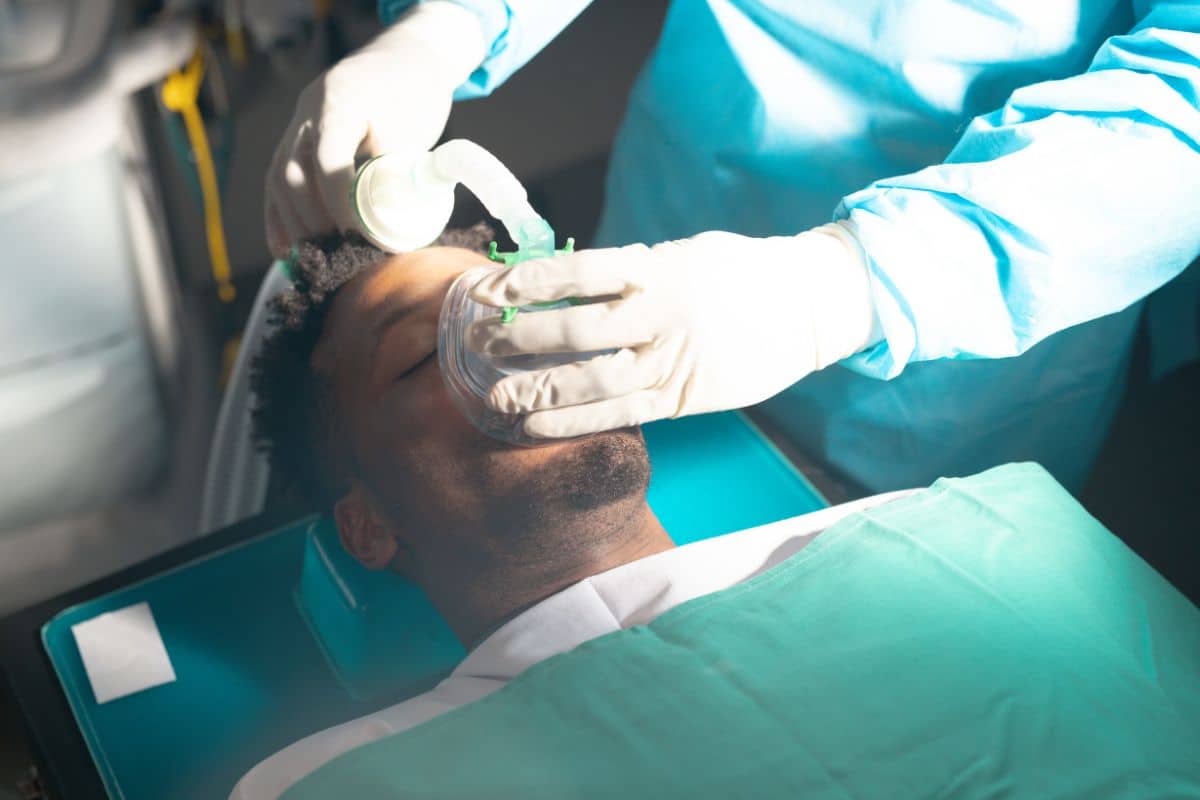
- Anesthesia:
Local anesthesia will be used to numb the area, ensuring that you remain comfortable during the surgery. - Incision and Implant Placement:
The dentist will make a small incision in the gum tissue to access the jawbone, where the implant post will be placed.
In some cases, a bone graft may be necessary if the jawbone is insufficient. - Healing Time:
After the implant is placed, your body needs time to heal and for the implant to integrate with the bone. This process, known as osseointegration, typically takes 3 to 6 months.
During this time, the titanium post bonds with the jawbone, providing a stable foundation for the artificial tooth.
In general, the surgical procedure itself takes about 1 to 2 hours depending on the number of implants being placed.
3. Placement of the Abutment
Once the implant has successfully integrated with the bone, the next step is to attach an abutment. The abutment is a small connector piece that will hold your final restoration (crown, bridge, or denture).
This procedure typically requires a minor surgical procedure to expose the implant post and attach the abutment. The healing time for the gums around the abutment is usually 2 to 3 weeks.
4. Final Restoration Placement
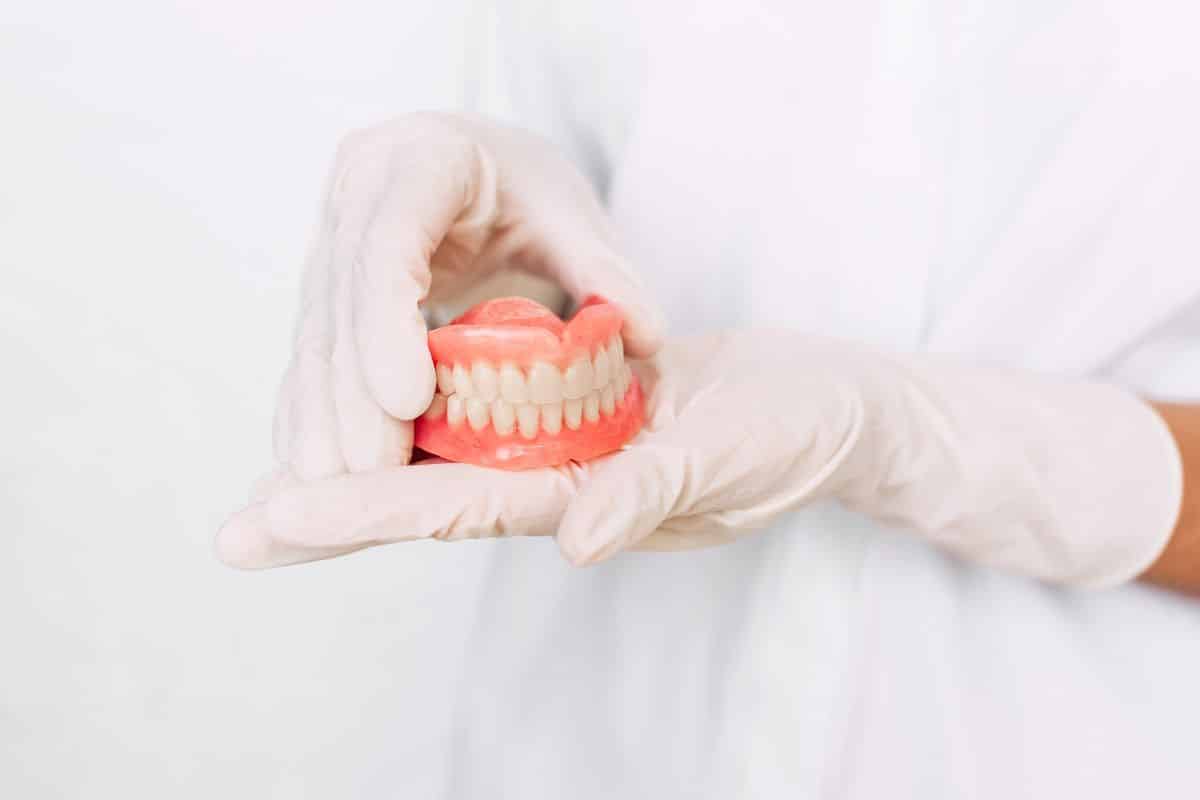
After the gums have healed, the final step is the placement of the crown, bridge, or denture. This is the part that will be visible and will restore the appearance and function of your missing tooth.
The dentist will:
- Take impressions to create a custom restoration that fits perfectly with your existing teeth.
- Attach the final restoration to the abutment, ensuring that it aligns well with your bite and looks natural.
This final step usually takes around 1 to 2 weeks, depending on the complexity of the restoration and the lab’s turnaround time.
How Long Does the Entire Dental Implant Process Take?
Now that we’ve gone over the individual steps, let’s answer the big question: How long does the entire dental implant process take?
On average, the entire process can take anywhere from 4 to 8 months. This includes the time needed for healing and osseointegration.
However, it is important to note that the timeline can vary depending on factors such as:
- Bone density and jaw health:
If you need a bone graft, it can add several months to the process. - Number of implants:
If you’re receiving multiple implants, the process might take longer. - Healing speed:
Each patient’s body heals at a different rate, which can affect the timeline. - Type of restoration:
Some restorations (e.g., dentures) may take longer to fit properly than others (e.g., crowns).
Factors That Can Affect the Timeline
There are several factors that can influence the duration of the dental implant process. Here are some of the most common ones:
- Health Conditions:
Conditions like diabetes or smoking can slow down the healing process and extend the overall timeline. - Implant Location:
Implants placed in areas with less bone density may require bone grafts, extending the healing time. - Type of Implant:
Some patients may opt for immediate load implants, which allow the placement of a temporary crown immediately after the implant surgery.
However, this can be a more complex procedure and may not be suitable for all patients.
Tips for a Faster Recovery
While the dental implant process may take several months, there are a few ways you can help speed up recovery:
- Follow Aftercare Instructions:
Adhering to your dentist’s aftercare instructions will ensure that your implants heal correctly and reduce the risk of complications. - Eat Soft Foods:
After surgery, stick to soft foods and avoid chewing on the side of the implant to avoid disrupting the healing process. - Quit Smoking:
Smoking can impede healing, so quitting is crucial to a faster recovery.
Conclusion
The dental implant process generally takes 4 to 8 months, depending on factors like healing time, bone density, and the complexity of your case. While the process requires patience, the long-term benefits of a natural and functional smile make it worthwhile.
Healing times vary by individual, so following aftercare instructions and attending follow-up appointments are crucial for a smooth recovery.
By understanding the timeline, you can set realistic expectations and ensure your implant treatment goes smoothly.
Dental Implant in Melissa, Texas at Melissa Dental & Orthodontics
If you’re considering dental implants in Melissa, Texas, then you should schedule your appointment at Melissa Dental & Orthodontics is a great next step.
Our experienced team will guide you through the process, answer your questions, and help you make an informed decision about your dental care.
Frequently Asked Questions (FAQs)
1. How long does the dental implant process take from start to finish?
The full process typically takes between 4 to 8 months, depending on individual factors like healing time, bone density, and whether additional procedures like bone grafting are needed.
2. Can the dental implant process be expedited?
In some cases, immediate-load implants can speed up the process, allowing a temporary crown to be placed immediately. However, this option isn’t suitable for everyone.
3. How painful is the dental implant procedure?
Most patients experience minimal discomfort during and after the procedure, as local anesthesia is used.
Afterward, you may experience some swelling and soreness, but this usually subsides within a few days.
4. What can I do to speed up recovery?
Following your dentist’s aftercare instructions, maintaining proper oral hygiene, eating soft foods, and avoiding smoking can all contribute to faster healing.