Do teeth go bad under veneers? No, your natural teeth stay healthy as long as the procedure is done correctly and you maintain good oral hygiene. In this article, we break down what really happens to your teeth under veneers, whether veneers damage teeth, how decay occurs, and what you can do to keep your smile healthy for years. You’ll also learn about risks, benefits, and what to expect with teeth after veneers are removed or teeth after veneer removal.
At Melissa Dental & Orthodontics, a trusted Melissa dentist, patients often ask whether dental veneers Melissa treatments can harm their natural teeth. This guide provides insights to help you make an informed decision about tooth veneering and veneer dentistry.
What Actually Happens to Your Tooth When Veneers Are Placed
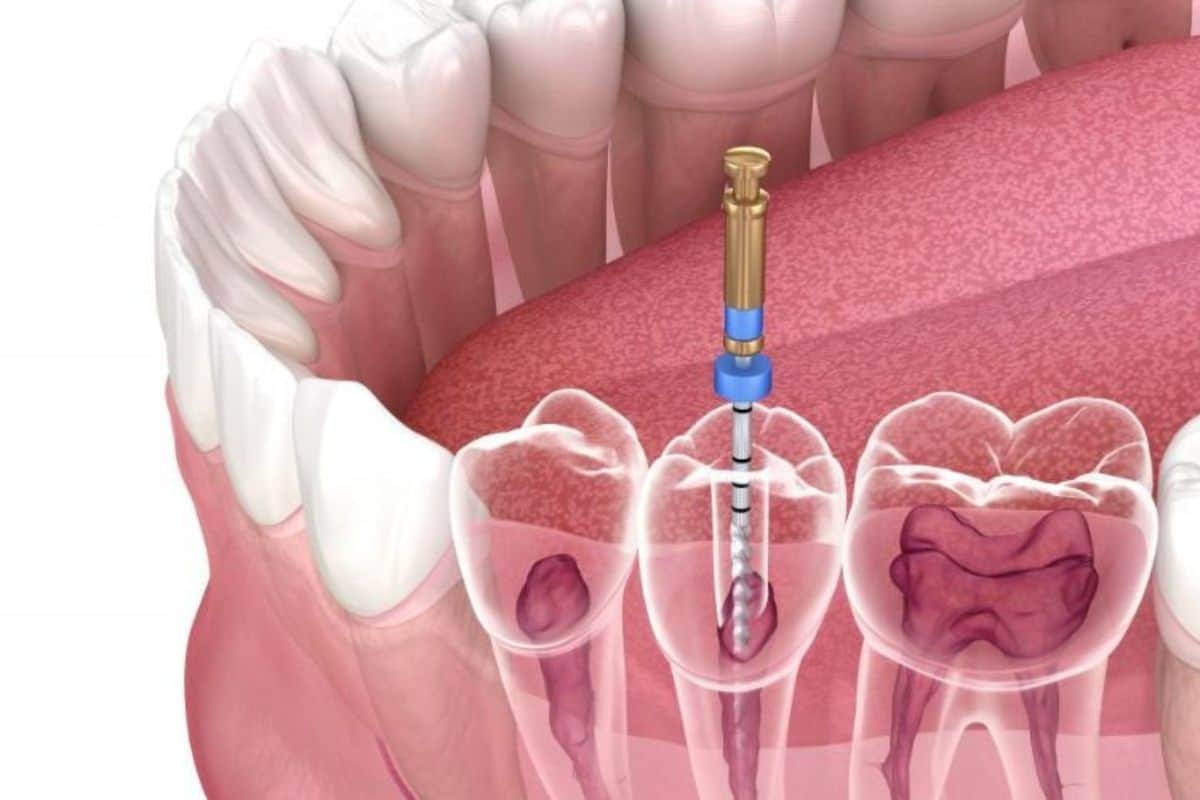
When you choose teeth veneers or any type of dental procedure, a small amount of enamel must be removed from the tooth surface—usually 0.3–0.7 mm. This preparation allows the veneer to sit flush, look natural, and bond securely. This step is essential in veneer in dentistry because it ensures proper alignment and long-term stability.
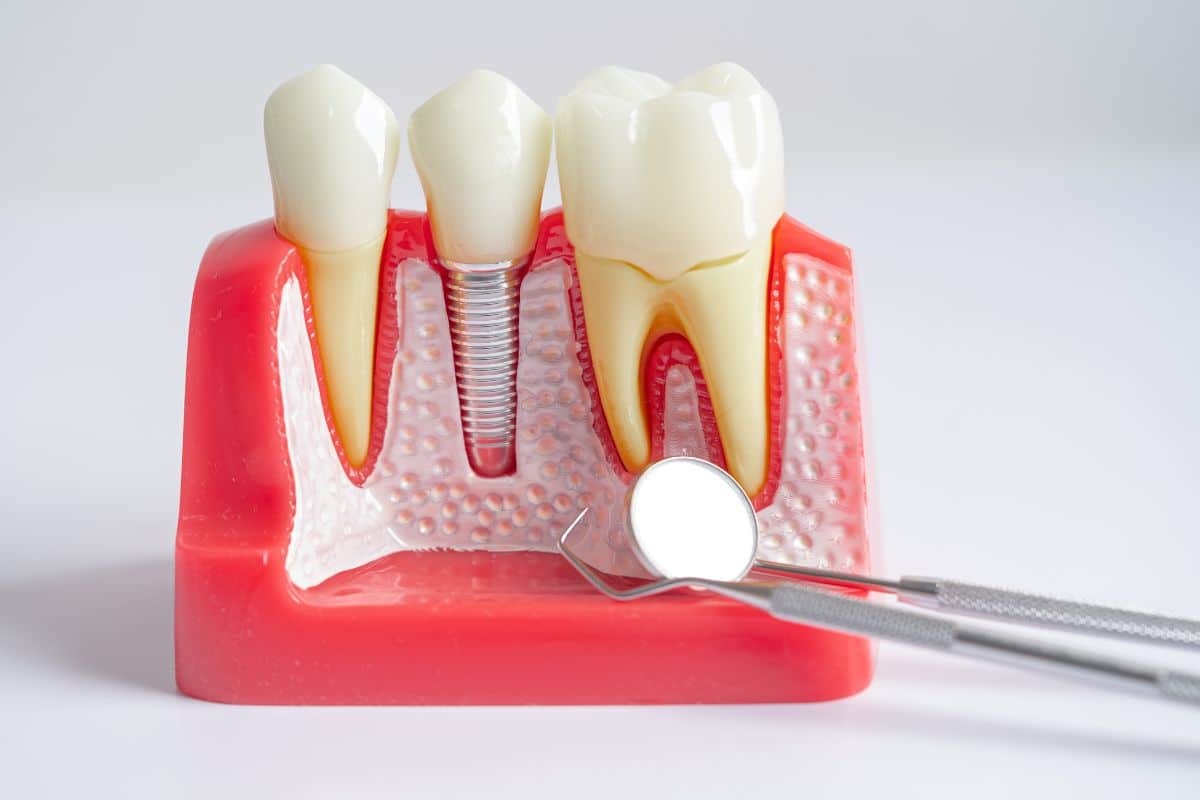
Once shaped, a veneer is bonded with strong dental cement. While a thin enamel layer is reduced, the dentin and nerve underneath generally remain untouched. That means the structure underneath veneers stays intact, healthy, and functional.
Can Teeth Decay Under Veneers?
Yes — teeth can develop decay under any restoration, including teeth under veneers, if hygiene is poor or if the veneer doesn’t fit properly. Factors that increase the risk include:
- Plaque buildup around the veneer edges
- Marginal gaps or poor bonding
- Inflammation around the gumline
- Not flossing or brushing effectively
Decay typically forms at the edges, where enamel meets the veneer. This is also where you may notice early signs such as sensitivity, discoloration, bleeding gums, or dark spots.
So the concern “do veneers ruin your teeth?” comes from improper care—not the veneers themselves. Properly placed veneers do not cause decay.
Are Veneers Protective Too?
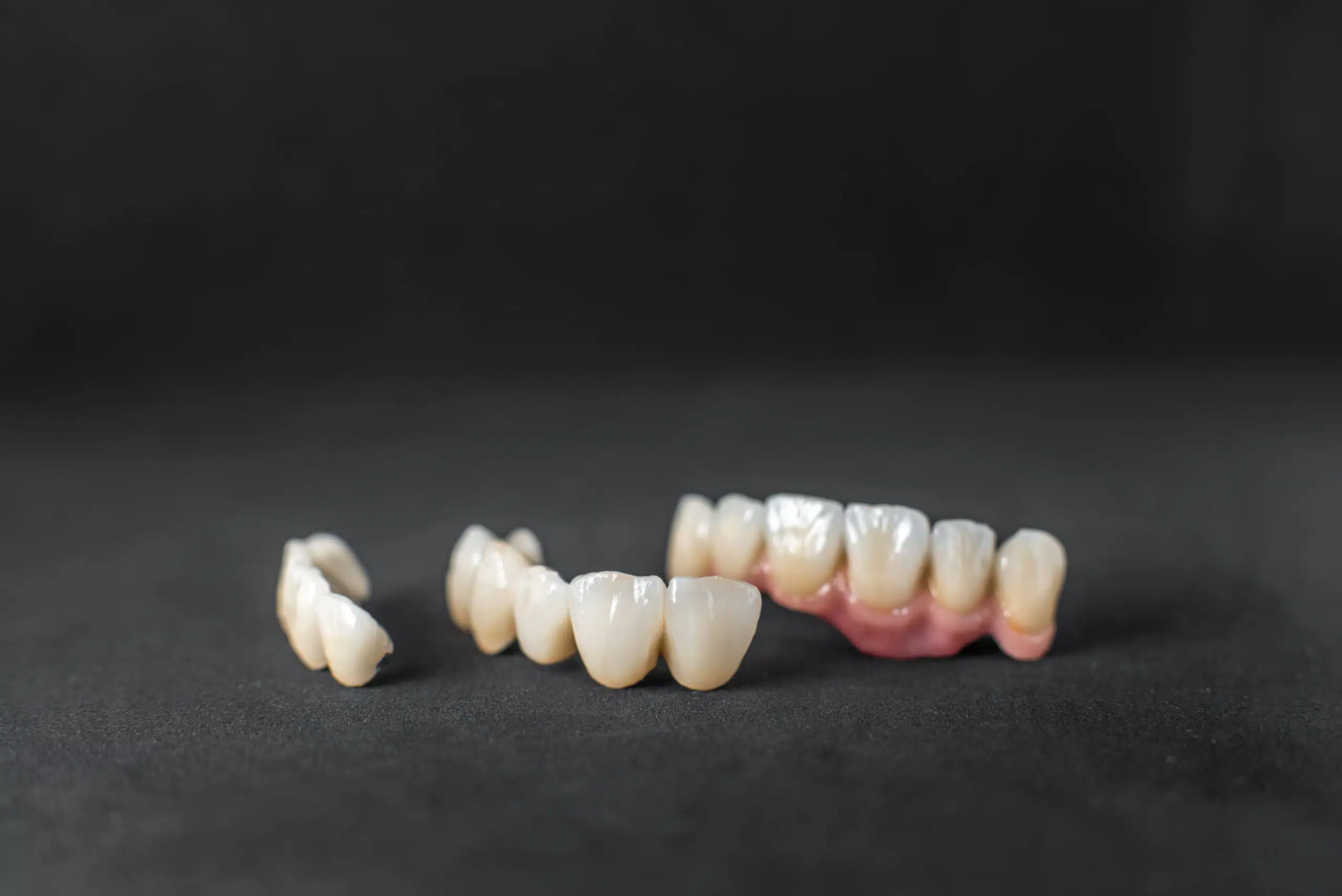
Cosmetically and structurally, veneer dental restorations can protect the front surfaces of teeth from staining, minor wear, and chips. Many people choose dental veneers for this reason, especially when exploring dental veneers Melissa options.
However, veneers do not cover the entire tooth. They are not a substitute for enamel and cannot fully prevent cavities. Even with veneering of teeth, the exposed back and sides of your teeth remain vulnerable to plaque and bacteria.
Risks and Trade-Offs Related to Veneers
Like any dental treatment, veneer dentistry has advantages and limitations:
Irreversibility
Once enamel is removed, you will likely always need some form of restoration. That’s why people often ask about veneers removed or what their teeth after veneers removed will look like. With expert care, teeth after veneer removal can still remain strong, but they may require replacement veneers or bonding.
Sensitivity
Temporary sensitivity is common after veneering of teeth, especially on the prepared enamel.
Maintenance Needs
Veneers may chip, loosen, or wear over time. Gum recession can create tiny gaps, increasing the risk of decay under or around the veneer.
Do Veneers Ruin Your Teeth?
Properly done veneers do not cause harm. Poor preparation, improper bonding, and bad hygiene are the actual causes that may lead people to believe that veneers damage teeth.
How to Prevent Decay Under Veneers
To keep the tooth surface underneath veneers healthy:
- Brush twice daily with fluoride toothpaste
- Use a soft-bristle toothbrush to avoid damaging the veneer edges
- Floss every day, especially near the margins
- Use an antibacterial mouth rinse if recommended
- Schedule regular exams with a qualified Melissa dentist
- Avoid habits like chewing ice, biting nails, or grinding (use a night guard)
Routine professional cleanings help detect small issues before they become major problems, especially for those with dental veneers in Melissa treatments.
What to Do If You Suspect a Problem
Watch for:
- Sensitivity or sudden pain
- Visible staining near the veneer edges
- Rough or raised margins
- Bad odor or taste
- Loose veneers
Your dentist may take X-rays, evaluate bonding areas, or re-seal the margins. In severe cases, veneers may need to be removed and replaced to protect the natural tooth.
Pros vs Cons — Is the Trade-Off Worth It?
Pros
- Major cosmetic improvement
- Increased confidence
- Some protection from wear and staining
- Long-lasting with proper care
Cons
- Irreversible enamel removal
- Maintenance and replacement over time
- Risk of decay without good hygiene
Patients considering veneer in dentistry or veneering of teeth should weigh long-term commitment, oral habits, and overall dental health — not just esthetics.
Conclusion
Your natural teeth do not “go bad” under veneers. When placed correctly and cared for properly, teeth under veneers stay healthy and strong. Veneers don’t inherently harm your smile — poor care or low-quality work does.
If you’re thinking about teeth veneers or want expert guidance on whether the procedure is right for you, visit Melissa Dental & Orthodontics. As a trusted Dentist in Melissa, they provide high-quality veneer dentistry and personalized treatment plans tailored to your long-term dental health.
Book a consultation today and ensure your smile transformation is beautiful, safe, and lasting.
FAQs
Q. Can teeth rot under veneers?
A: Yes, teeth can decay under veneers if hygiene is poor or the fit is faulty. Veneers cover only the front, so the rest still needs proper cleaning and care.
Q. What is the downside to getting veneers?
A: Veneers are irreversible, costly, may cause sensitivity, and often need replacing in 7–15 years. They also require enamel removal and can chip or wear from grinding.