Seeing a little pink in the sink after brushing or flossing can be alarming. While an occasional, minor bleed might not be a massive cause for concern, consistently bleeding gums are your mouth’s way of waving a red flag. Ignoring this sign can lead to more serious oral health issues down the road. Let’s dive into four common culprits behind those pesky bleeding gums.
1. The Plaque Attack: Gum Disease (Gingivitis and Periodontitis)
The most frequent offender for bleeding gums is gum disease, also known as periodontal disease. It often starts with gingivitis, the early stage. This occurs when plaque, that sticky film of bacteria that constantly forms on our teeth, isn’t effectively removed through brushing and flossing. The bacteria in plaque irritate the gum tissue, leading to inflammation.
Think of it like this: if you don’t regularly wipe away dirt from a surface, it builds up and can start to cause problems. Similarly, when plaque accumulates along the gum line, it causes the gums to become red, swollen, and tender. These inflamed gums are much more likely to bleed, especially when they’re disturbed by brushing or flossing.
If gingivitis is left untreated, it can progress to a more serious stage called periodontitis. In periodontitis, the inflammation goes deeper, affecting the bone and tissues that support your teeth. The gums can start to recede, forming pockets where more bacteria can thrive. This advanced stage can lead to significant damage, including bone loss and eventually, tooth loss. Therefore, persistent bleeding gums should never be ignored as they could be an early warning sign of developing or existing gum disease.
2. The Brushing Blunder: Too Much Force or the Wrong Tools
Believe it or not, our efforts to keep our teeth clean can cause our gums to bleed. Brushing too hard or using a toothbrush with stiff bristles can traumatize the delicate gum tissue. Imagine vigorously scrubbing your skin—it would likely become red and irritated and might even bleed. The same principle applies to your gums.
Using a soft-bristled toothbrush and employing gentle, circular motions is recommended for effective plaque removal without harming your gums. Think of it as massaging your gums rather than scrubbing them. If you notice your toothbrush bristles are splayed or worn out quickly, it might be an indication that you’re applying too much pressure. Switching to a softer brush and focusing on gentle, thorough cleaning can often resolve bleeding caused by overzealous brushing.
3. Hormonal Havoc: Pregnancy Gingivitis
Hormonal fluctuations can sometimes play a role in gum sensitivity and bleeding in women. During periods of significant hormonal change, such as pregnancy, the increased levels of hormones can enhance blood flow to the gums and alter the way gum tissue reacts to plaque. This can lead to a condition known as pregnancy gingivitis.
Even with a consistent oral hygiene routine, pregnant women may experience swollen, red, and more easily bleeding gums. It’s crucial for expectant mothers to maintain excellent oral hygiene and have regular dental checkups during pregnancy to manage this increased susceptibility to gum issues. While pregnancy gingivitis often subsides after childbirth, neglecting it can still lead to complications.
4. The Deficiency Dilemma: Lack of Essential Vitamins
While less common in developed countries with widespread access to nutritious food, certain vitamin deficiencies can contribute to bleeding gums. Vitamin C deficiency, also known as scurvy in its severe form, weakens connective tissues, including the gums, making them more prone to inflammation and bleeding. Vitamin C plays a vital role in collagen production, which is essential for healthy gum tissue.
Similarly, a deficiency in Vitamin K, which is crucial for blood clotting, can also manifest as increased bleeding, including in the gums. While these vitamin deficiencies are not the primary cause of bleeding gums, ensuring a balanced diet rich in fruits, vegetables, and other essential nutrients is vital for oral health and can help support healthy gum tissue.
Don’t Ignore the Red Flags
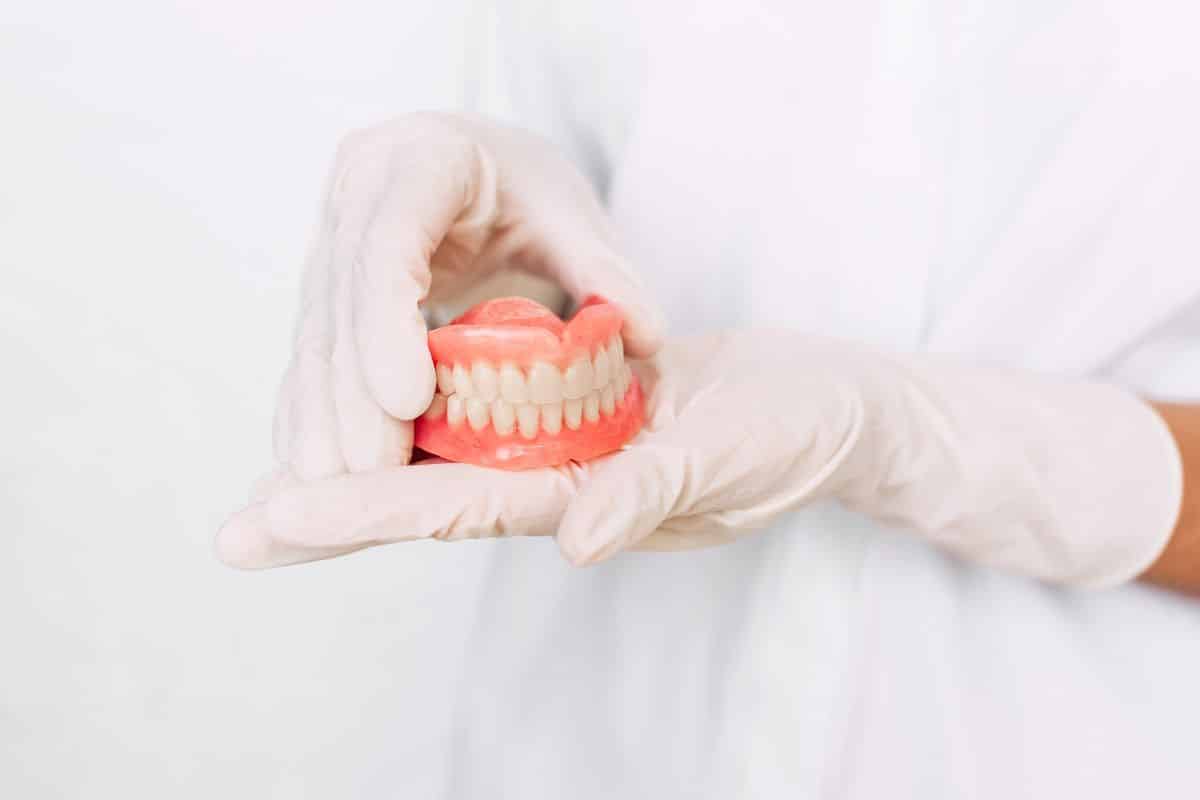
While these are four common causes of gum bleeding, it’s important to remember that other factors, such as certain medications, ill-fitting dentures, or underlying medical conditions, can also be responsible. If you experience persistent or unexplained gum bleeding, scheduling a visit with your dentist is crucial. They can accurately diagnose the cause of your bleeding and recommend the appropriate treatment plan to help you achieve and maintain a healthy, bleed-free smile. Ignoring bleeding gums is like ignoring a warning light on your car – it might seem okay for a while, but it could lead to bigger problems down the road.