Dental emergencies can strike unexpectedly, often at the most inconvenient times. Whether it’s a severe toothache, a knocked-out tooth, or an injury to your gums, it’s important to know when to seek help.
According to the American Dental Association, there are nearly 2 million visits to dental emergency departments each year in the U.S. Knowing when to act can prevent further pain and long-term damage.
In this blog, we’ll outline the top 5 reasons to seek immediate dental care. Taking quick action can make all the difference in protecting your smile and overall oral health.
5 Reasons to See an Emergency Dentist
1. Severe Tooth Pain or Toothache
If you’re experiencing sudden, severe tooth pain, this could be a sign of an underlying issue, such as an infection or cavity that has reached the nerve of your tooth.
The pain may be sharp, throbbing, or constant, and it’s not something you should ignore.
Seeking help from an emergency dentist can provide you with immediate relief and help prevent the infection from spreading to other parts of your mouth.
2. A Knocked-Out or Loose Tooth
Accidents happen, and teeth can get knocked out or loosened from their sockets. If this occurs, it’s crucial to see an emergency dentist as soon as possible.
For a knocked-out tooth, there’s a short window of time in which it can potentially be reinserted and saved.
Handling the tooth carefully and getting to the dentist right away increases the chances of a successful re-implantation.
3. Broken or Cracked Teeth
A cracked or broken tooth can result from an injury, chewing something hard, or even grinding your teeth at night.
This can lead to sharp pain or even expose the inner pulp of your tooth, making it vulnerable to infection.
An emergency dentist can assess the damage and recommend an immediate solution, such as a dental crown or filling, to prevent further damage.
4. Swelling or Abscesses
Swelling in your gums, face, or jaw is often a sign of an infection.
An abscess, or pus-filled pocket, can form near the root of a tooth and cause severe pain and swelling.
This is not only painful but also dangerous if left untreated, as the infection can spread. An emergency dentist can drain the abscess and prescribe antibiotics to help treat the infection.
5. Lost Dental Restoration (Crown, Filling, or Bridge)
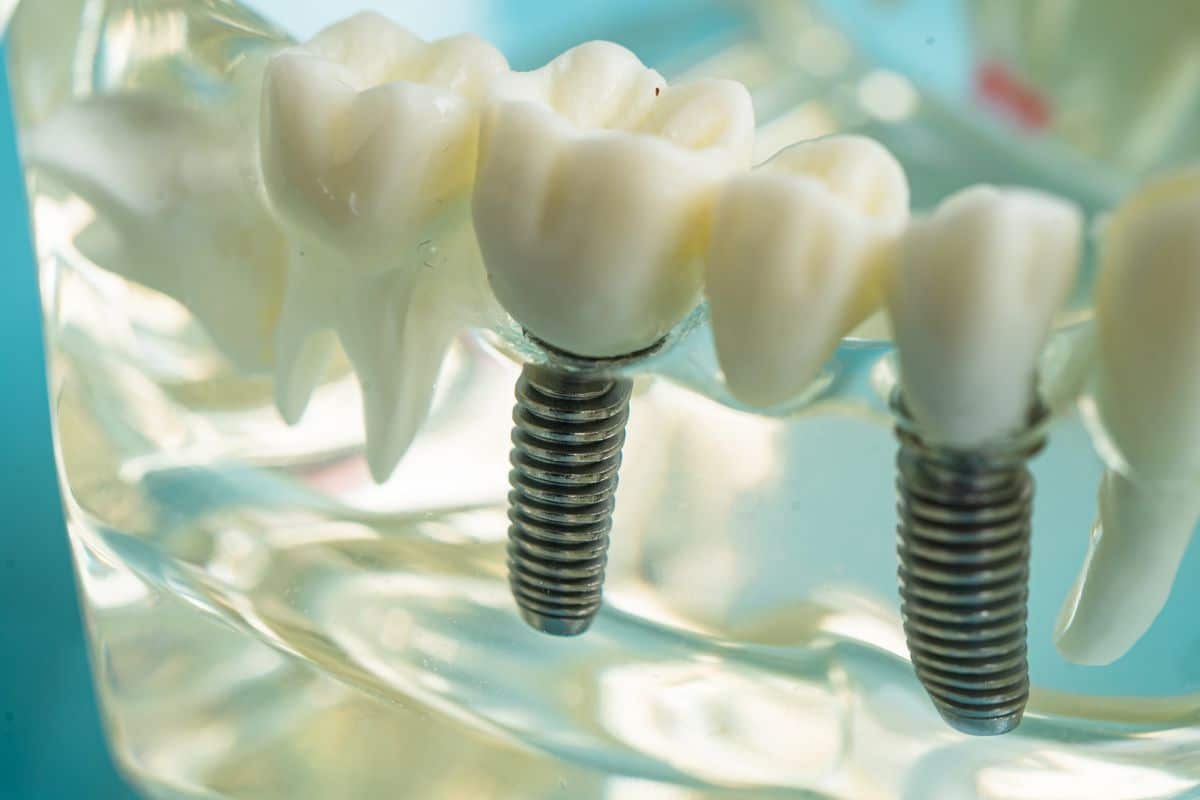
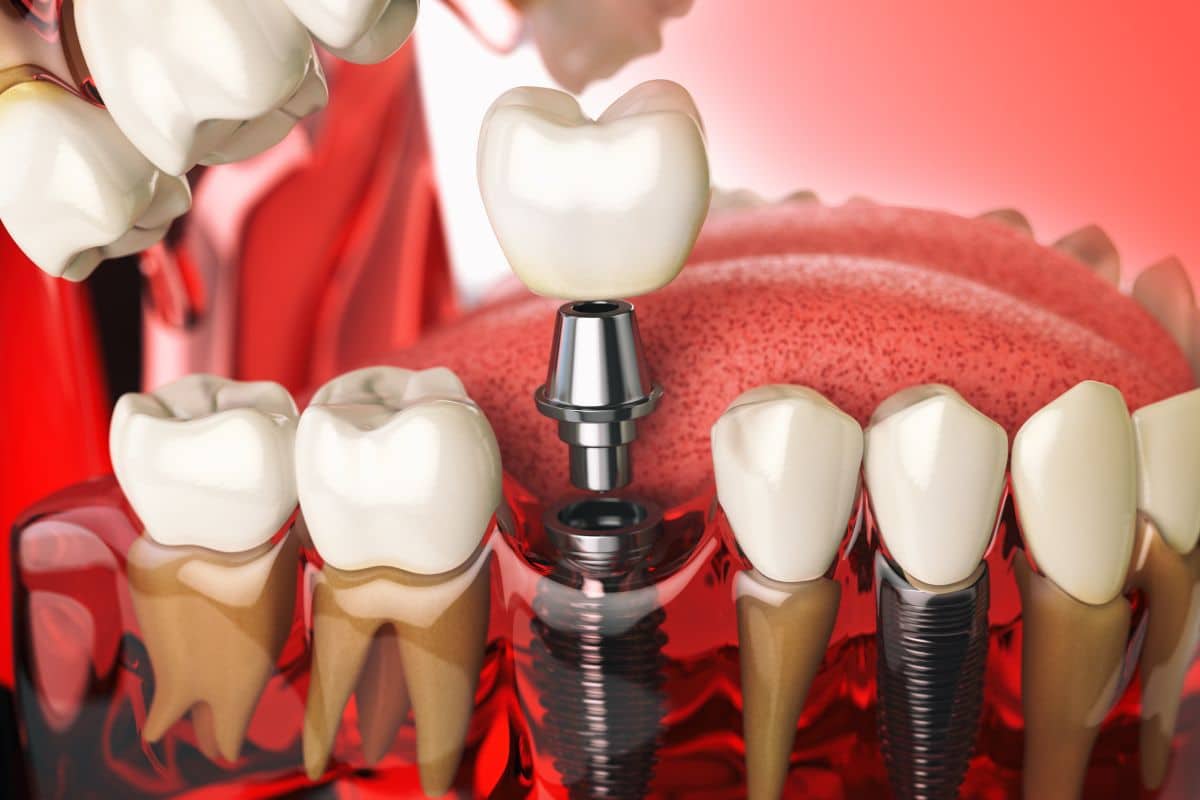
If you lose a dental crown, filling, or bridge, it’s important to seek immediate care to avoid further damage to the tooth.
Without the restoration, the tooth can be exposed to bacteria, leading to more severe decay.
An emergency dentist can replace the lost restoration or provide a temporary solution until a permanent one is available.
Conclusion
Dental emergencies are unpredictable, but knowing when to see an emergency dentist and taking action quickly can make all the difference in your oral health.
Whether it’s a toothache, a knocked-out tooth, or a cracked tooth, immediate attention from a dental professional can help you avoid serious complications.
If you’re ever in need of an Emergency Dentist in Melissa, TX, feel free to give us a call at (469) 919-5605. We’re here to provide the best dental care at Melissa Dental and Orthodontics.
Frequently Asked Questions About Emergency Dental Care
1. What should I do if I have a dental emergency after hours?
If you have a dental emergency outside of office hours, contact your dentist’s emergency line or visit an emergency room if necessary.
2. Can an emergency dentist help with persistent tooth pain?
Yes, an emergency dentist can provide relief for persistent tooth pain, which could be a sign of infection or nerve damage.
3. Can a knocked-out tooth be saved?
Yes, if treated quickly. Try to reinsert the tooth or keep it in milk and visit an emergency dentist within the hour for the best chance of saving it.
4. What’s the difference between an emergency dentist and a regular dentist?
Emergency dentists handle urgent issues like severe pain or tooth loss, often outside of regular office hours, while regular dentists provide general care.
5. How can I prevent dental emergencies?
Prevent emergencies by practicing good oral hygiene, wearing a mouthguard for sports, avoiding hard foods, and attending regular dental check-ups.