Dental health is important for people of all ages, yet many believe that once you reach a certain age, it’s no longer possible or necessary to get dental treatments. But is that really true? Whether you’re 30 or 70, oral health plays a crucial role in your overall well-being. Let’s explore why it’s never too late for dental work and how it can transform not just your smile but your life.
Is It Ever Too Late for Dental Work?
Age doesn’t dictate the need for dental care. Whether you’ve been putting off treatment for a few years or even decades, the answer is simple: It’s never too late. Your teeth and gums require attention no matter how old you are, and many dental issues that arise with age can be effectively treated with modern methods.
Benefits of Dental Work at Any Age
Restoring Functionality and Aesthetics
As we age, our teeth naturally face wear and tear. Dental work like crowns, bridges, or implants can restore the functionality of your teeth, allowing you to chew, speak, and smile with confidence. Moreover, cosmetic improvements like veneers and teeth whitening can restore your smile’s youthful appearance.
Preventing Future Complications
Leaving dental issues untreated can lead to more severe problems over time, such as tooth decay spreading or gum disease worsening. By addressing dental concerns promptly, even in later years, you prevent more invasive and costly treatments in the future.
Boosting Confidence and Quality of Life
A healthy smile can greatly impact how you feel about yourself. Many older adults who undergo dental work report increased self-esteem and a higher quality of life, as they no longer feel embarrassed to smile or socialize.
Common Types of Dental Work for Older Adults
Dental Implants
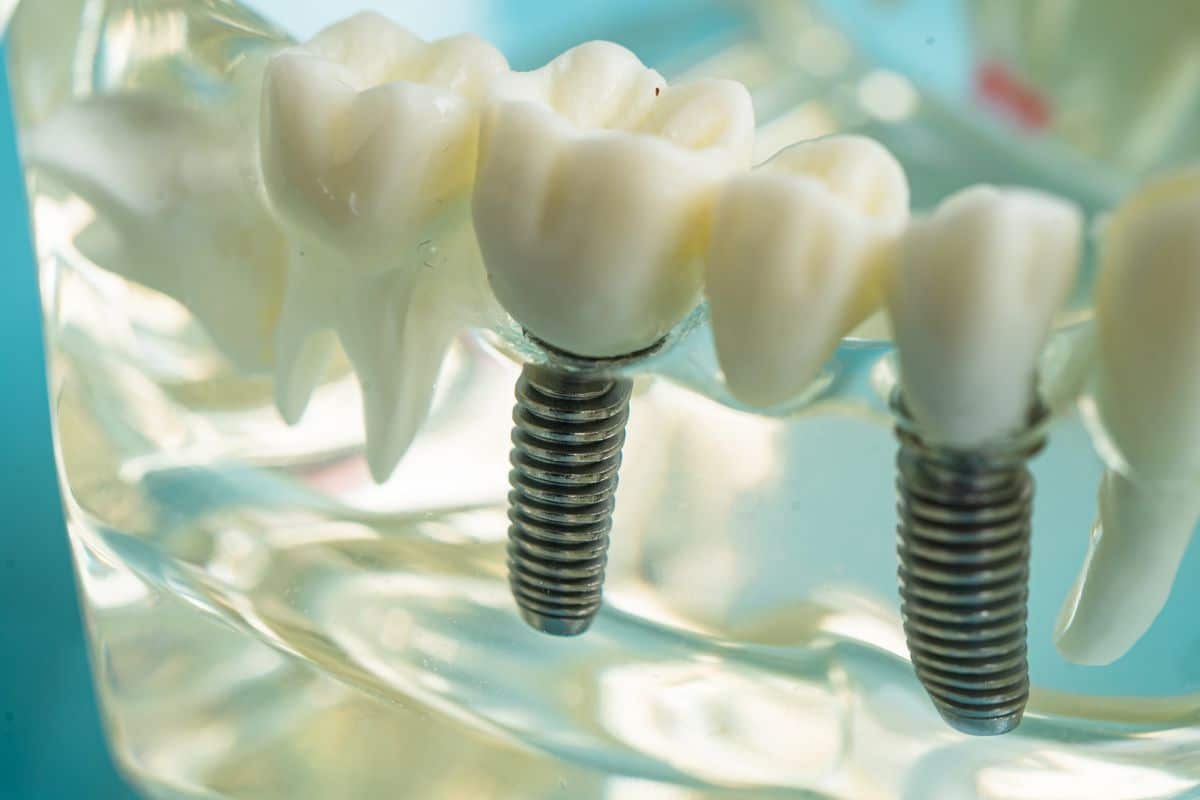
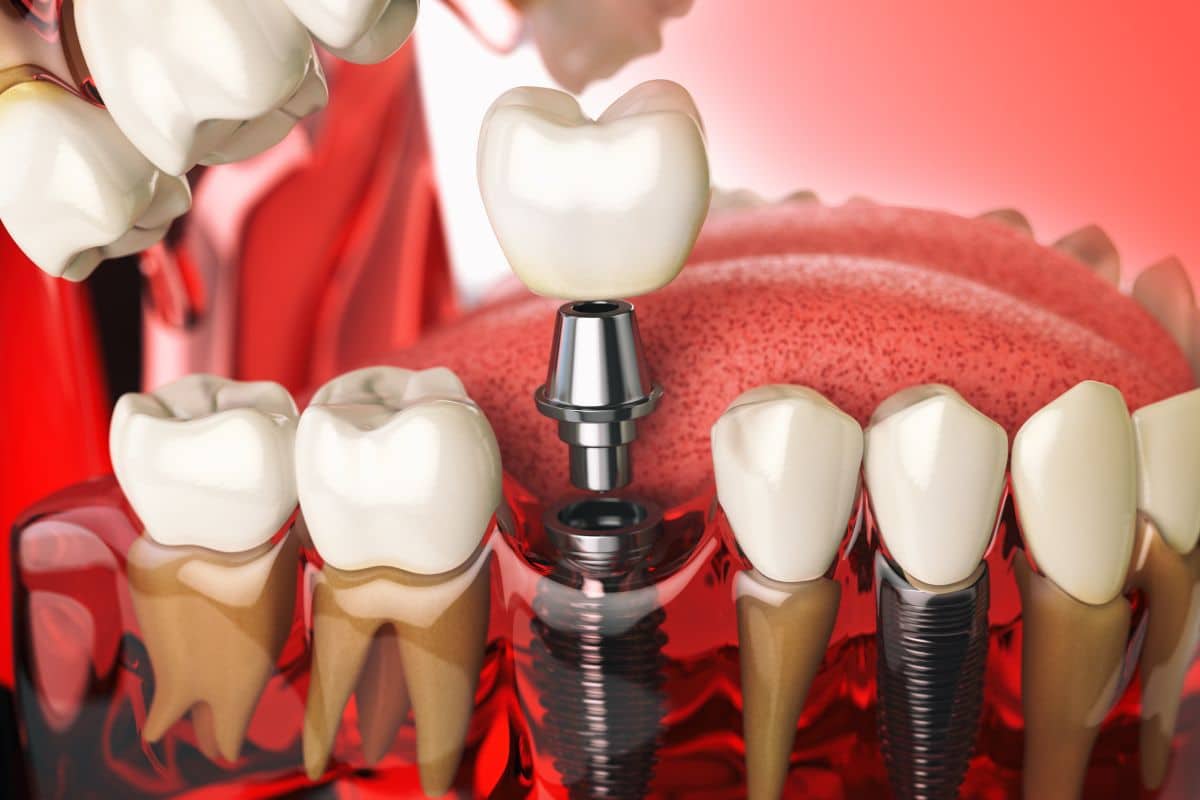
Dental implants are a great option for replacing missing teeth, and they’re often a preferred solution for older adults. Unlike dentures, implants feel more like natural teeth and can last a lifetime with proper care.
Dentures
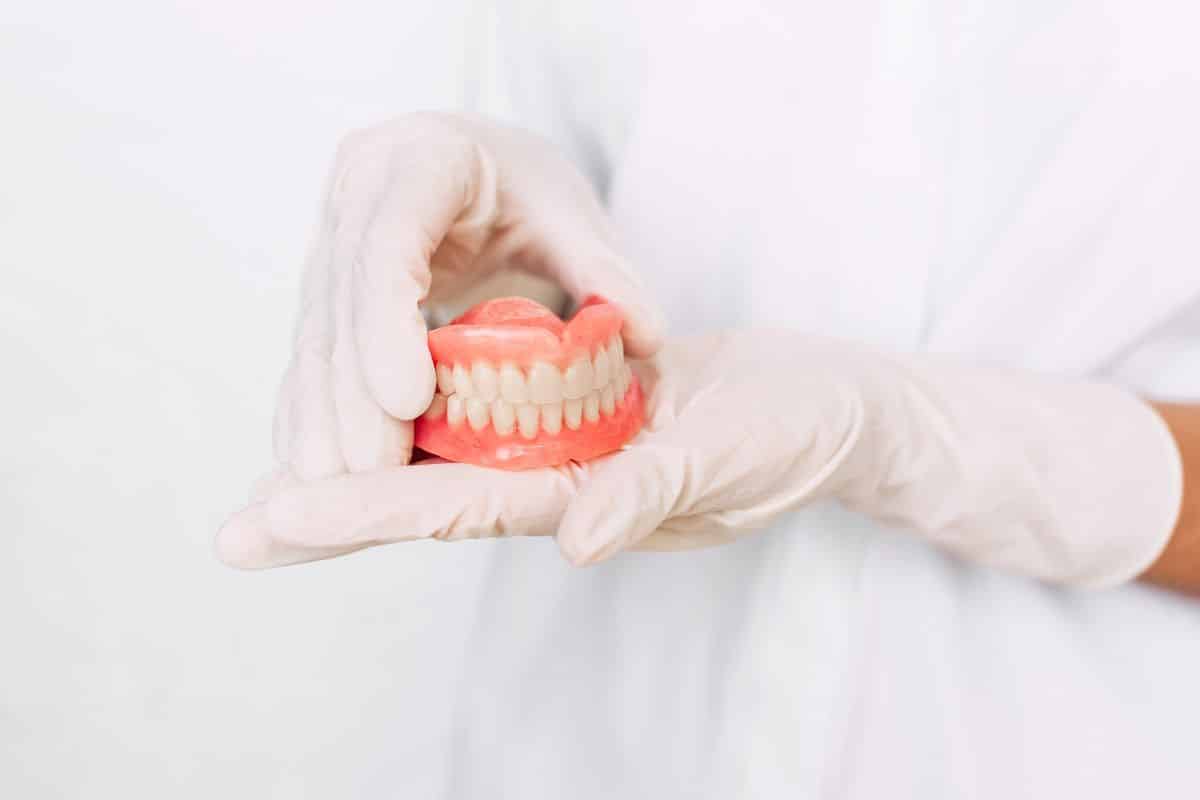
For those who may not be candidates for implants, dentures are a reliable and affordable solution for missing teeth. They can be custom-made for comfort and function.
Crowns and Bridges
Crowns can restore damaged teeth, while bridges can replace one or more missing teeth, ensuring your smile stays complete and functional.
Teeth Whitening
Even in older age, teeth whitening can have a rejuvenating effect, brightening up years of stains and discoloration from coffee, tea, or smoking.
Unique Challenges for Older Adults Seeking Dental Care
Bone Density and Jaw Health
Bone density decreases with age, which can affect the success of dental implants or other procedures. Dentists may recommend bone grafts or other preparatory steps to ensure the best outcome.
Managing Existing Health Conditions
Many older adults have pre-existing health conditions like diabetes or heart disease, which can complicate dental treatments. However, with careful planning, most dental procedures can be safely performed.
Financial Considerations and Dental Insurance
Finances can be a concern for older adults, especially for those on a fixed income. However, many dentists offer payment plans or financing options, making treatment more accessible.
Why Dental Care Shouldn’t Be Delayed
Progression of Gum Disease
Gum disease can worsen over time if left untreated, leading to tooth loss and even affecting your overall health. Early treatment can prevent these severe outcomes.
Impact on Overall Health
Oral health is closely linked to general health. Untreated infections or inflammation in the mouth can lead to heart disease, diabetes complications, or respiratory issues. Addressing dental issues promptly can improve your overall health.
Solutions for Common Dental Problems in Older Adults
Addressing Tooth Loss
Whether through implants, bridges, or dentures, there are several effective solutions for tooth loss in older adults, ensuring that you can regain both function and aesthetics.
Managing Gum Disease
Regular cleanings and periodontal treatments can keep gum disease under control and prevent further damage, even in advanced cases.
Handling Tooth Decay
Decay can happen at any age. Fillings, crowns, and root canals are all options that can help preserve your natural teeth.
Taking the First Step Toward Restoring Oral Health
Consulting with a Dentist
The first step is always consulting with your dentist to assess your needs and discuss any concerns you may have. They can guide you through the best options for your unique situation.
Customizing a Treatment Plan for Your Needs
Every patient is different, and a dentist will work with you to create a personalized treatment plan that takes into account your oral health, budget, and long-term goals.
Conclusion
It’s never too late to invest in your smile. Dental work can restore not only the appearance of your teeth but also your overall health and confidence. By addressing dental issues now, you’ll prevent further complications and enjoy the benefits of a healthy mouth for years to come.
Thank you for visiting our blog, and we look forward to being your trusted partner in achieving and maintaining a healthy, beautiful smile. If you have any questions or would like to schedule an appointment, please don’t hesitate to reach out to us at our dental office near you.